Photo Credit
Brian McCurdy
Brian McCurdy
We love windbreakers. These small but mighty outer layers pack a punch, offering serious protection from the elements for hikers, mountain bikers, climbers, and backcountry skiers alike. And more good news: Today's designs are increasingly breathable and comfortable. Below, we break down our favorite windbreaker jackets, including models for hiking, alpine use, and running. Our top pick is Patagonia’s Houdini Jacket, which is available for both men and women. For more background information, refer to our comparison table, buying advice, and testing process.
Editor's note: We updated this guide on January 9, 2026, to narrow down our list to a considered few (you can see what jackets we tested and dismissed). We also updated the guide's format to make it a true unisex guide by adding information about the women's versions of each jacket. Lastly, we incorporated feedback from recent testing, included new photos, and ensured all other information was up to date at the time of publication.
Category: Hiking/alpine
Weight: 3.7 oz. (men's), 3.4 oz. (women's)
Materials: 100% ripstop nylon
What we like: Great wind protection in a light, packable, and affordable package.
What we don’t: Not the most breathable or comfortable option.
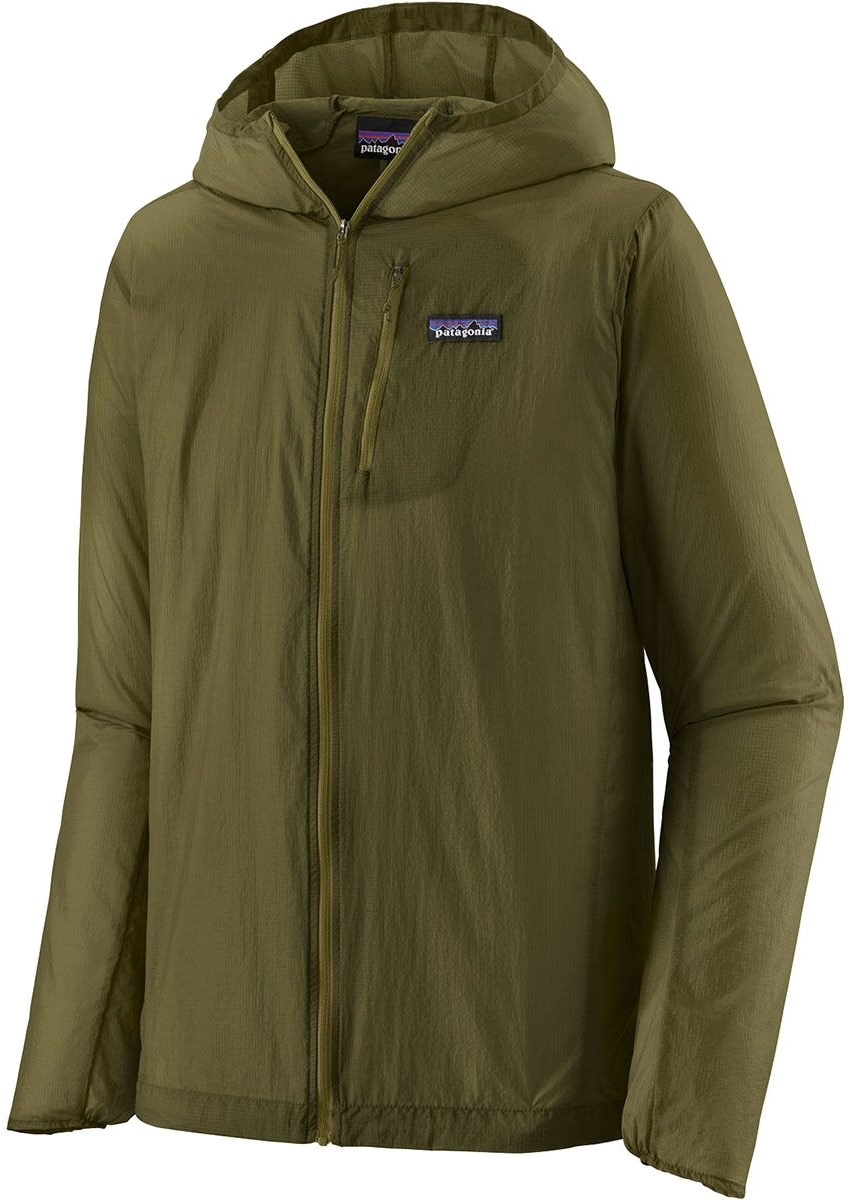
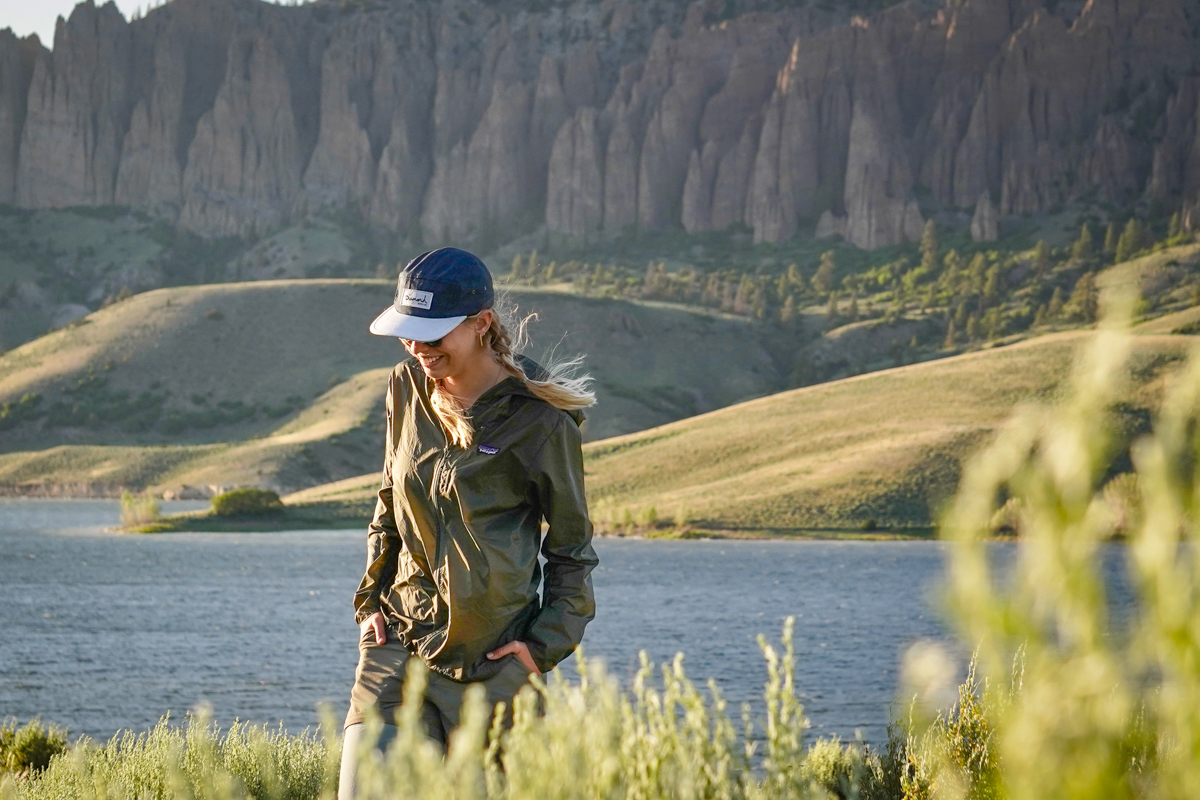
Patagonia’s Houdini is synonymous with the term windbreaker jacket, and for good reason. For years, we’ve trusted this piece to do one thing and do it well: keep wind out. For reference, we’ve been exposed to high winds more times than we can count on exposed alpine ridgelines and rock faces, and have yet to find any weaknesses in the Houdini’s reliability. The 100% ripstop nylon build, while thin (you can literally see through it), has held up well on overgrown hikes and even scraping against the occasional rock. And perhaps most importantly, the aptly named Houdini disappears into your pack or on your harness when you don't need it. In our opinion, it’s all the wind protection most climbers, hikers, and mountain bikers need.
This paper-thin Patagonia Houdini is a perfect example of how much warmth you can retain just by blocking airflow. However, breathability is a clear sacrifice: Compared to alternatives like the Black Diamond Alpine Start and Outdoor Research Deviator, both of which incorporate some stretch, the Houdini is a sizable step down in airflow and becomes clammy during exertion. The BD and OR jackets also win out in comfort by a decent margin, thanks to that added “give” in their fabric. But when weight matters or you don’t anticipate working up a sweat, the regular Houdini is still a reliable windbreaker from one of the top brands in the business, and the approachable price point is the cherry on top.
Read More: Patagonia Houdini Jacket review (men's version)
See the Men's Patagonia Houdini Jacket See the Women's Patagonia Houdini Jacket
Category: Hiking
Weight: 5.2 oz. (men's), 4.8 oz. (women's)
Materials: 100% polyester taffeta
What we like: Affordable, stylish, and functional jacket for hiking and casual use.
What we don’t: Not super breathable, and doesn’t pack down as small as others.
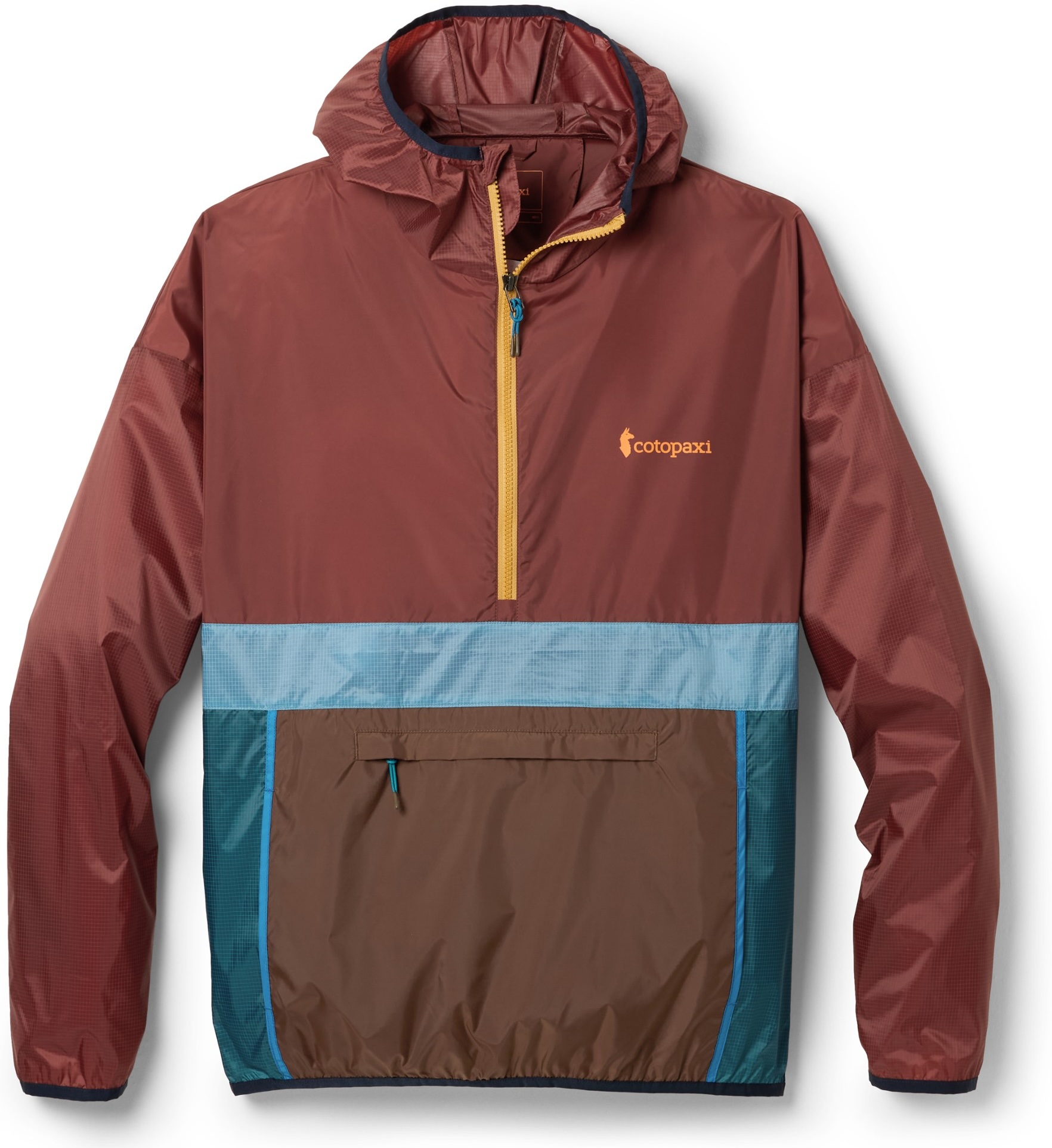
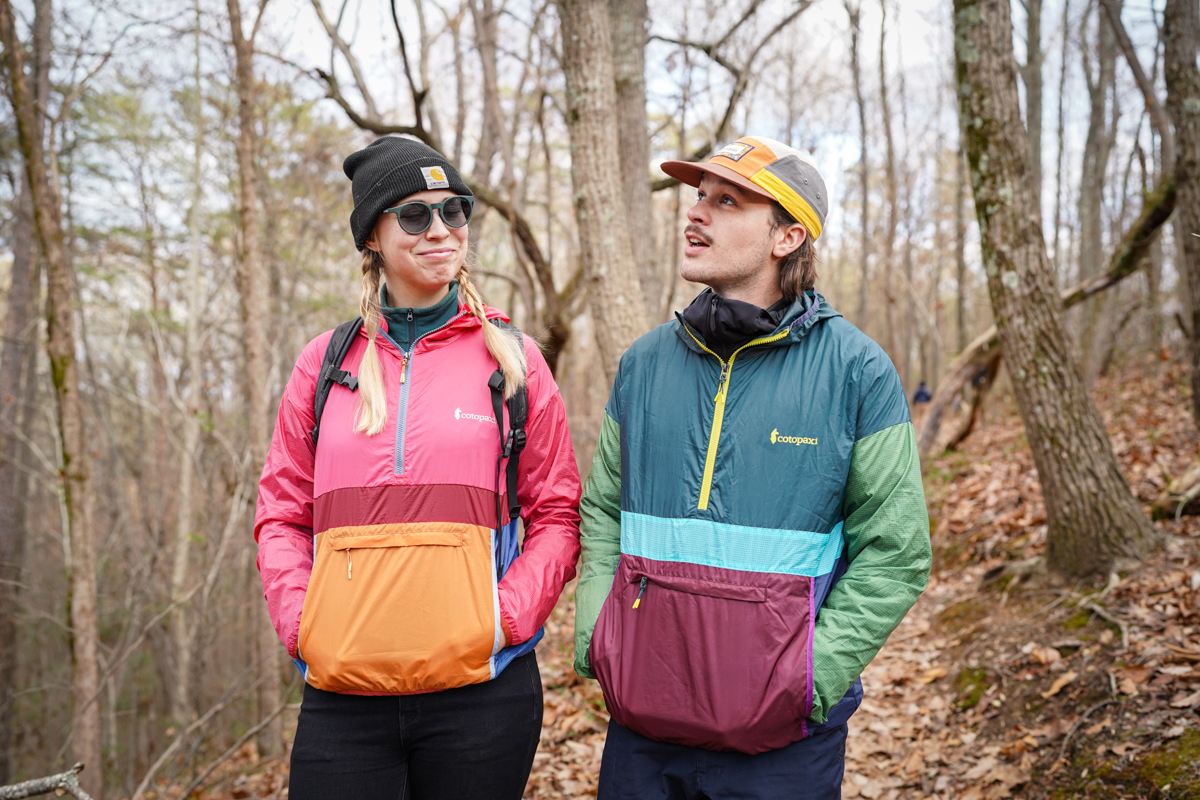
If your idea of a good time looks more like a casual hike than a fast-paced trail run or slog up the skin track, you probably won’t need a top-of-the-line windbreaker—and you shouldn’t have to pay for one either. Enter Cotopaxi’s Teca Windbreaker. We always know a Cotopaxi product when we see it, defined by colorful panels and stylish designs, and the Teca is no exception. Built with 100% remnant fabric, this jacket is far from the most technical offering here, but it is the most eye-catching. With a large kangaroo pocket, relaxed fit, and the addition of a DWR finish, the Teca is a great choice for casual hikes in the mountains, windy days at the beach, and everything in between.
The Teca offers a roomy fit and the convenience of two hand pockets and a kangaroo zip, which makes it a better choice for everyday use than the more minimalist jackets here. However, if you’re seeking a high-performance design, we recommend looking elsewhere. While not heavy by any means, the Teca is bulkier when packed down than the Houdini and many other options below. Plus, its basic polyester build is swampy and not well suited for working up a sweat (Cotopaxi does tack on a rear vent to keep air flowing, which we appreciate). For a more technically savvy budget design, check out the Rab Vital below. At the end of the day, it’s all about priorities, and the Teca is a nice value for casual adventures and daily use.
See the Men's Cotopaxi Teca Half-Zip See the Women's Cotopaxi Teca Half-Zip
Category: Alpine/hiking
Weight: 7.3 oz. (men's), 6.4 oz. (women's)
Materials: 93% nylon, 7% elastane
What we like: Softshell-like fabric is breathable, stretchy, and very protective.
What we don’t: Not super lightweight or packable; expensive.
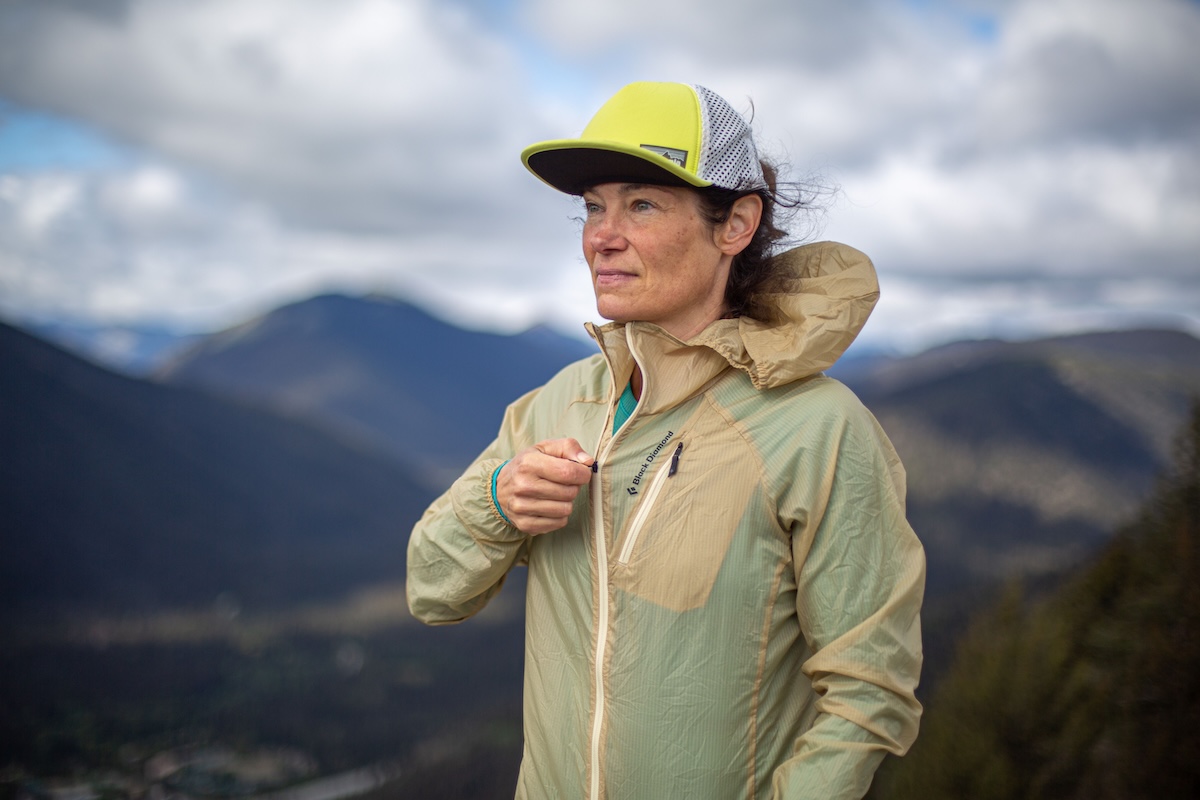
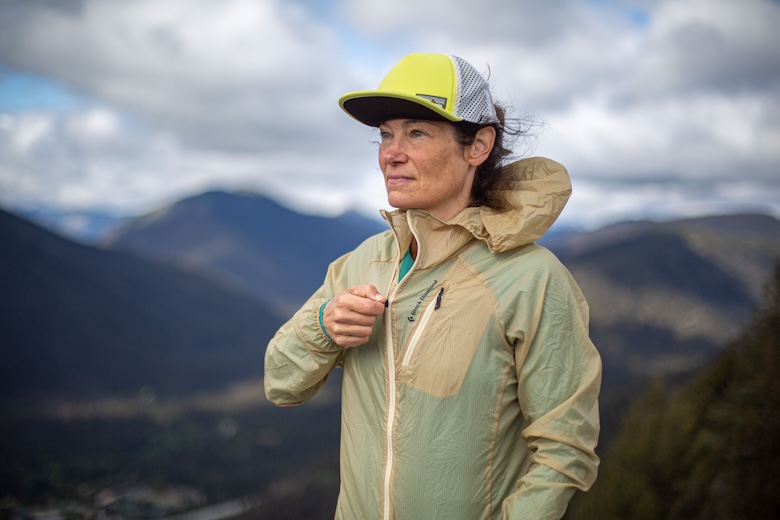
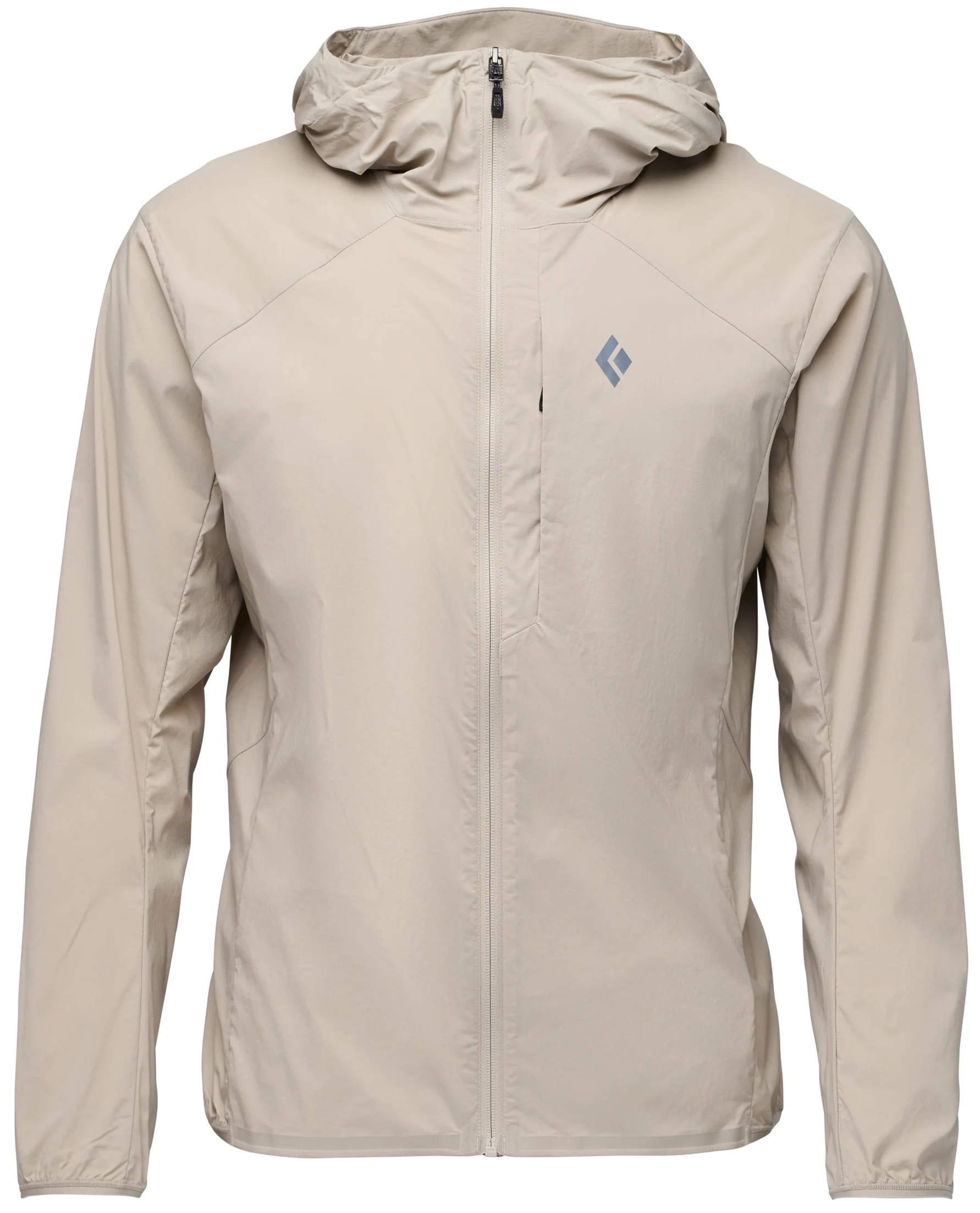
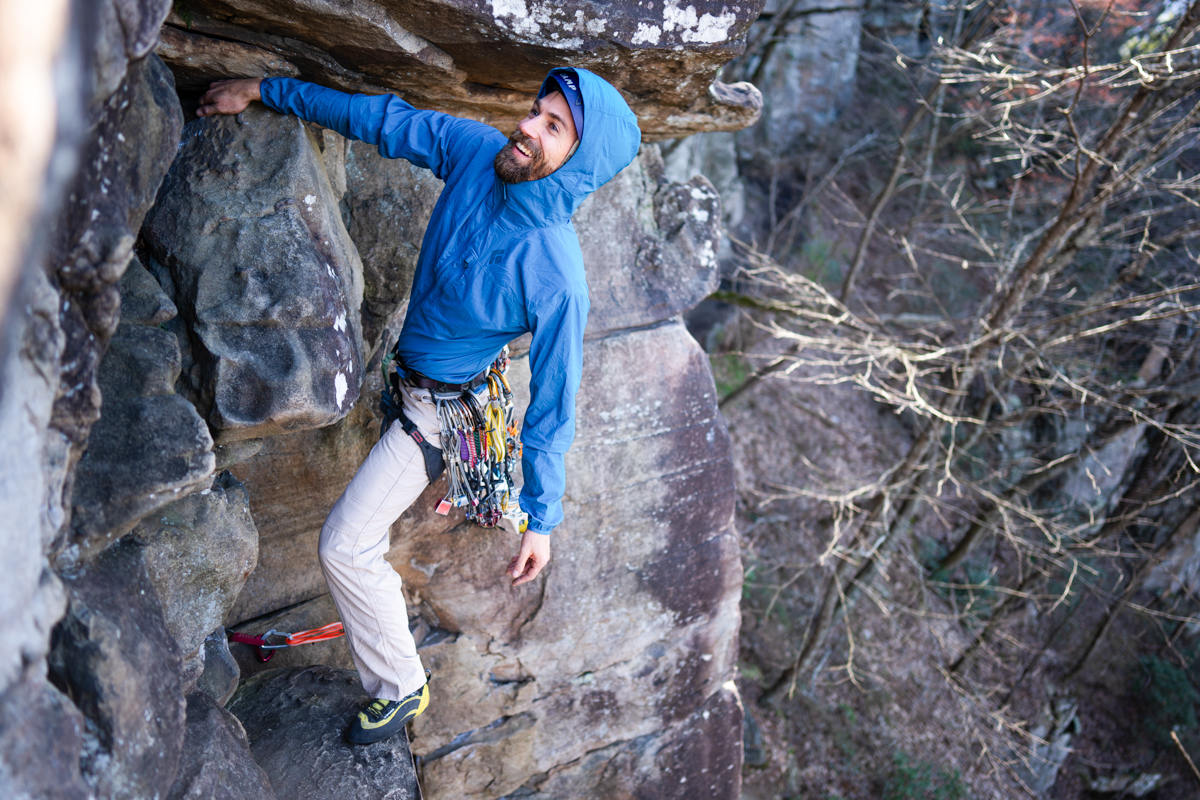
Ah, the Black Diamond Alpine Start—where do we begin? This jacket has become our go-to layer for everything from windy hikes to daily runs, multi-pitch climbing, and even ski touring. What makes the Alpine Start stand out is its stretchy, softshell-like fabric, which offers a great range of motion, impressive breathability, and serious durability. The jacket also features a roomy fit and a helmet-compatible hood, making it ideal for colder days in the mountains. The shell’s robust nature, in addition to a reliable DWR finish, means you get exceptional protection in wet weather. We’ve worn the Alpine Start in all-day drizzles and blowing snow and never once wished for more jacket.
The most recent update to Black Diamond’s Alpine Start features changes to the fit, improved elastic at the cuffs and hem, and is now available in seven sizes for both men and women. We do wish BD had retained a drawcord adjustment at the hem, which the previous version had, but the rest of the jacket sticks close to the original formula (which is a good thing). Except for weight and packed size, the Alpine Start outperforms the Patagonia Houdini in most categories, including comfort, breathability, and weather resistance. And if you know you need a boost in warmth, the Alpine Start also comes in an insulated version. We can wax poetic for days, but we’ll leave you with this: Since we discovered the Alpine Start, our softshell, hardshell, and rain jacket have barely left the closet—now that’s saying something.
Read more: Black Diamond Alpine Start Hoody review (women's version)
See the Men's Black Diamond Alpine Start See the Women's Black Diamond Alpine Start
Category: Running
Weight: 3.7 oz. (men's), 3.3 oz. (women's)
Materials: 100% stretch polyester w/ knit arms & hood
What we like: Super breathable and great running-specific features.
What we don’t: Not as protective in wind and rain as most windbreaker jackets.
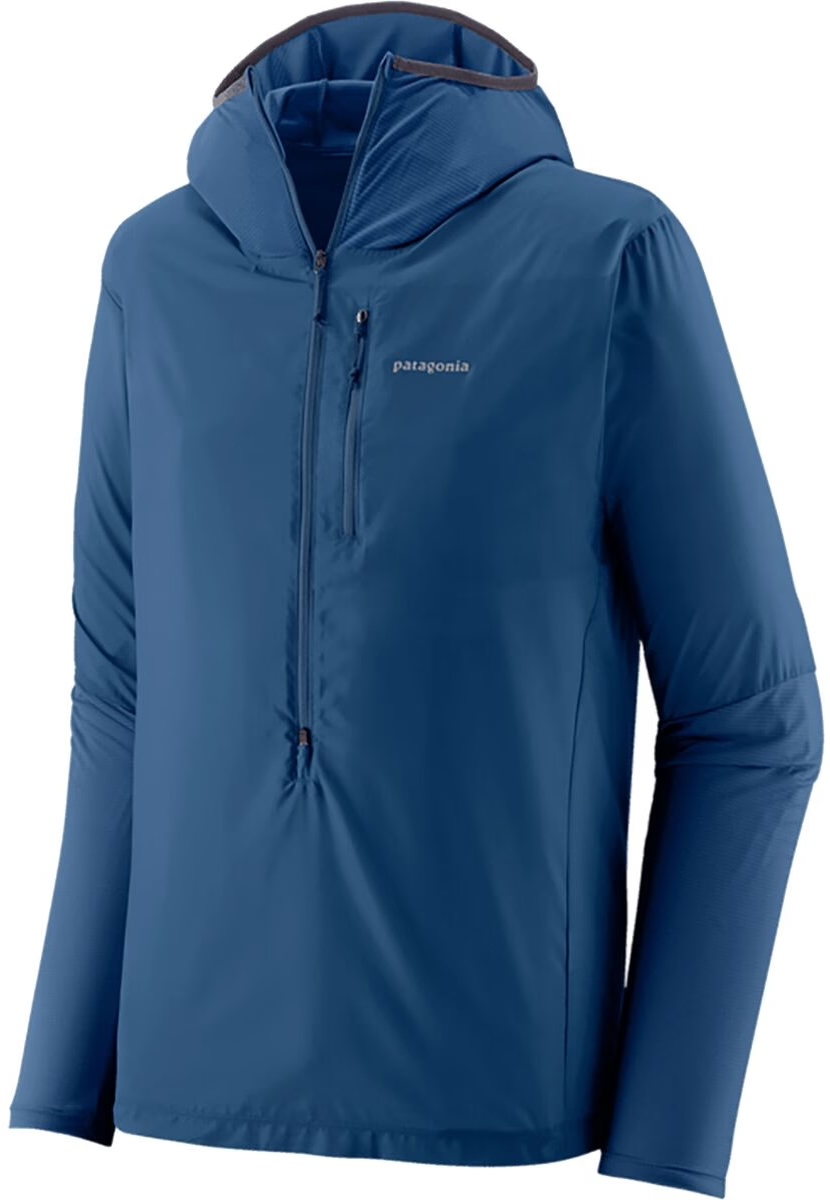
Designed to sweat, Patagonia’s Airshed Pro Pullover is built for great temperature regulation during high-output pursuits. Soft and stretchy polyester in the body keeps wind and light moisture out (think: mist), while a double-knit variety on the hood and sleeves wicks sweat and offers a great next-to-skin feel. A number of running-specific features round out the build, including a two-way front zipper that lets you vent your core while still keeping your neck warm, a single chest pocket for stashing a gel and lip balm, and sleeves that push up—and stay there. All in all, it’s a breathable windbreaker jacket that's fine-tuned for movement.
With such a thin polyester body and minimal weather resistance in the knit hood and sleeves, the Airshed Pro is not as protective (or durable) as jackets like the Patagonia Houdini. We found it to be susceptible to rain, despite the DWR coating. As a result, we find ourselves reaching for it on those in-between days—when it's not windy or cold enough to warrant a full windbreaker jacket, but we still want a little something to cut the chill. Finally, keep in mind that the Airshed Pro is very trim-fitting and designed to be worn over a thin baselayer and not much more. All that said, it’s our favorite windbreaker for fair-weather running and can handle a sweat better than most jackets here.
Read more: Patagonia Airshed Pro Pullover review (women's version)
See the Men's Patagonia Airshed Pro Pullover See the Women's Patagonia Airshed Pro Pullover
Category: Hiking/running
Weight: 2.3 oz. (men's), 2.1 oz. (women's)
Materials: 100% nylon
What we like: It's so lightweight and small that you’ll bring it everywhere.
What we don’t: Doesn’t come with a stuff pocket or stuff sack; shiny exterior.
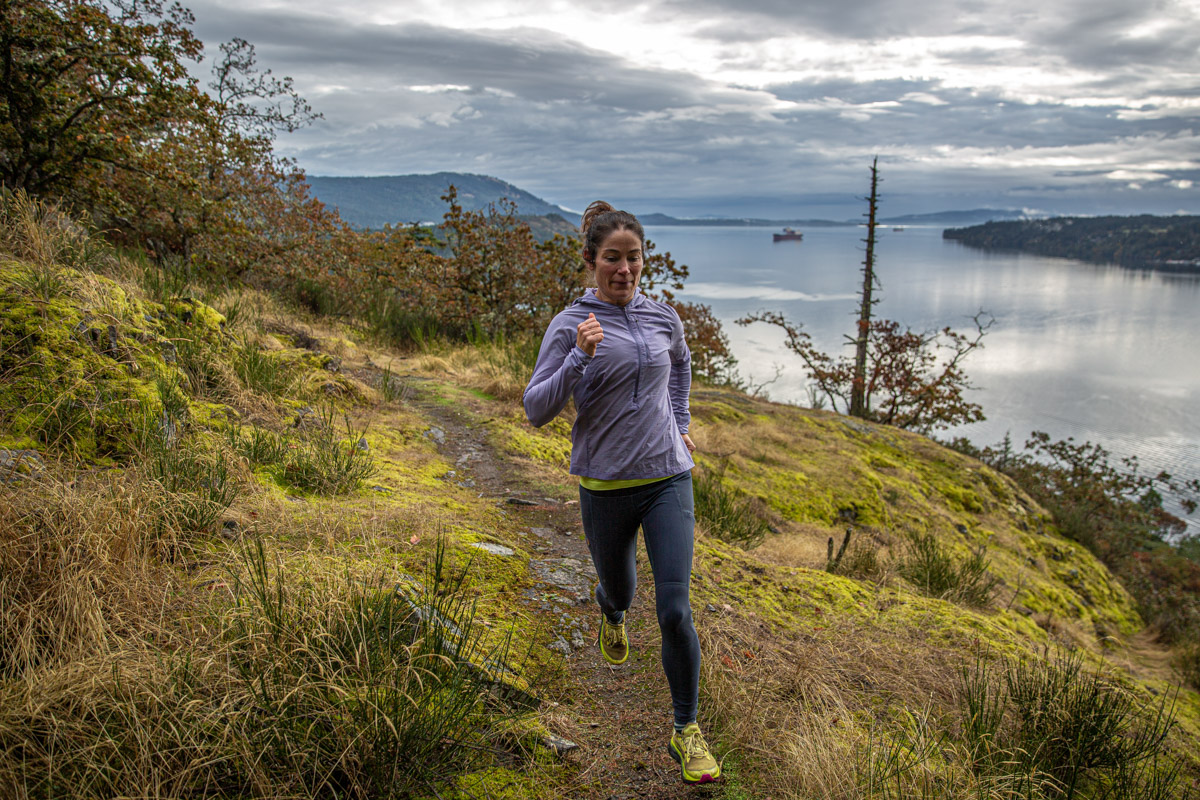
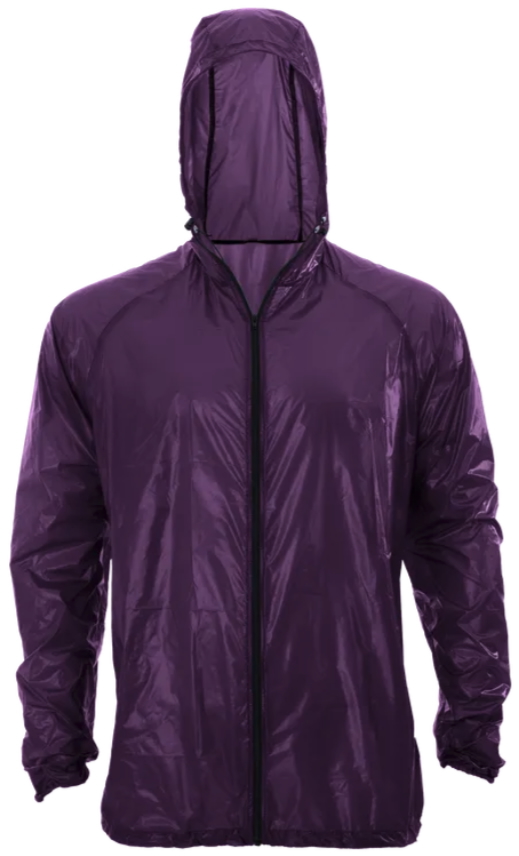
It might seem strange to have a “best ultralight” superlative in a category that’s inherently ultralight, but the Copperfield is a true standout. This jacket is so compact that you can stuff it in a pant pocket, the lid of your backpack, or the waistband of your running shorts—wherever—and forget about it until the need arises. And when inclement weather does make an appearance, the Copperfield feels like more than just an emergency layer, offering good performance thanks to its 100% nylon shell (available in 7, 10, and 20D varieties) and cinches at both the hood and hem. Tack on an excellent build quality (far superior to that of the Zpacks Ventum, a top UL competitor), and a weight of 2.3 ounces (for a men’s medium), and the Copperfield is an impressive layer.
We love that two of our favorite windbreakers are named after famous magicians (the Houdini and the Copperfield) because we believe these little jackets are magical. But the Copperfield is the true disappearing act of the two. Enlightened Equipment also offers a selection of nearly 20 colors, which vary in thickness, and 14 sizes (note: They run large). Keep in mind that the Copperfield doesn’t come with a stuff sack or stuff pocket—a weight-shaving tactic to be sure—and not everyone will love the uber-shiny sheen. But for full-on function without an ounce (literally) of extraneous detail, the Copperfield is our top ultralight windbreaker of the year. A final note: Enlightened Equipment custom-makes the Copperfield with each order (estimated shipping time is 8 weeks after purchase at the time of publishing), but if you want your jacket to ship in 1-3 business days, check out their in-stock selection.
See the Men's EE Copperfield See the Women's EE Copperfield
.jpg)
Category: Hiking/running
Weight: 4.6 oz. (men's), 4.0 oz. (women's)
Materials: 100% nylon
What we like: A technically minded windbreaker that's optimized for running at a great price.
What we don’t: No stuff pocket or stuff sack.
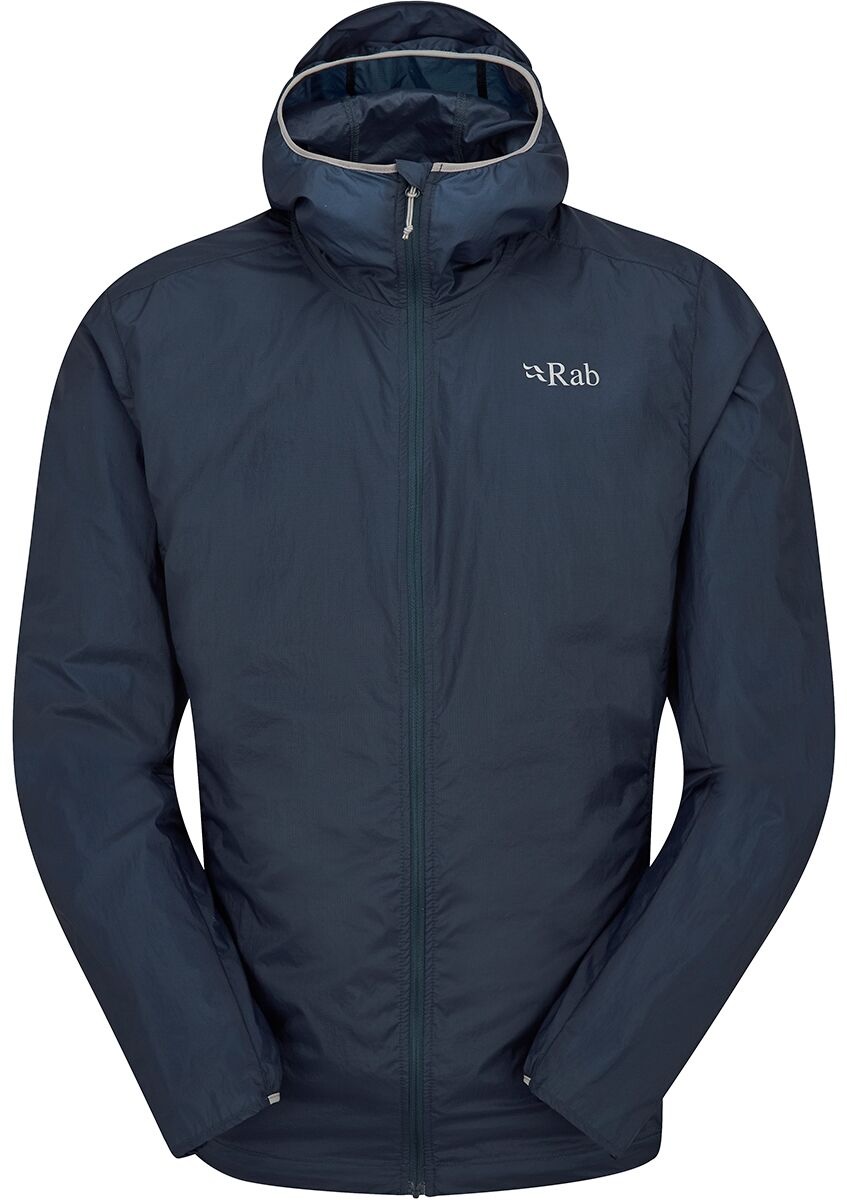
U.K.-based Rab is no stranger to inclement weather, and their Vital Hooded Jacket packs a solid punch for its weight and price. The jacket puts up a worthy defense against the elements, and a strong technical slant without the heavy price tag. One of our favorite features is the clasp closure at the chest, which allows you to create an opening for airflow without sacrificing protection and coverage (or having the open jacket flap around while you're on the move). Rab also equipped the Vital with an adjustable hood that features a stiffened brim to deflect moisture, a YKK front zipper, and an internal storm flap for added assurance against moisture, a hem cinch, and even repositioned shoulder seams to reduce discomfort from pack straps.
With a stellar performance and a nice selection of bright colorways to choose from (ideal for running or hiking at dawn or dusk), the Rab Vital is a solid value for the price. And at under 5 ounces (just 4 oz. for the women's version), it's super easy to stow when space is limited. We also happen to like the way Rab jackets fit and feel, and have had almost zero problems with durability with any of their layers (some of which we've been wearing for decades, like the Borealis). Overall, the Vital is priced fairly, capable, and well-equipped for frequent outdoor use.
See the Men's Rab Vital Hooded Jacket See the Women's Rab Vital Hooded Jacket
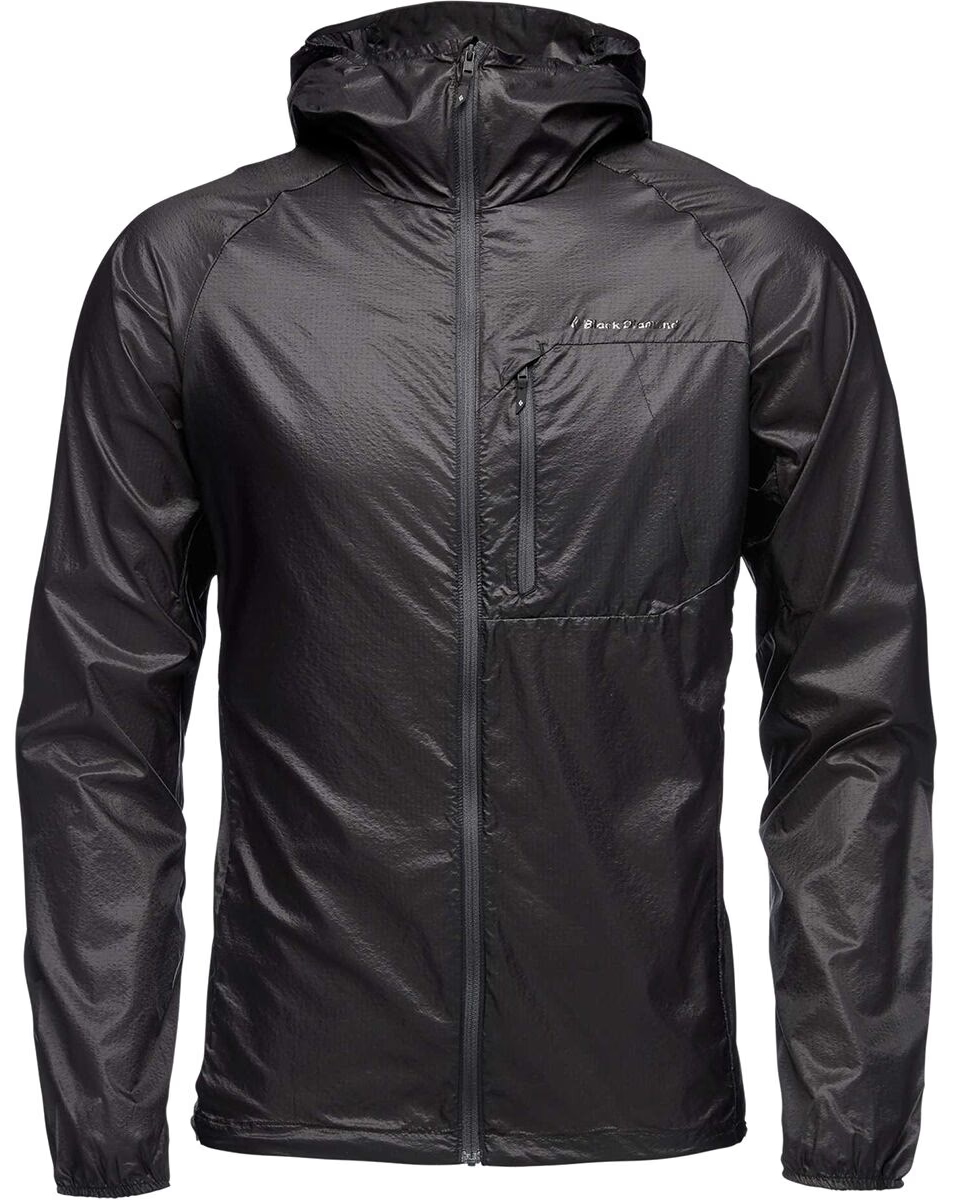 Category: Hiking/alpine
Weight: 3.5 oz. (men's and women's)
Materials: 100% ripstop nylon
What we like: An all-around upgrade from the top-ranked Houdini.
What we don’t: Not as breathable as higher-end options; expensive.
On the surface, Black Diamond’s Distance is your quintessential windbreaker jacket. In fact, it shares many similarities with our top Patagonia Houdini: it’s made with 100% ripstop nylon, and features a minimalist design that packs down small. But after testing the Distance on shoulder season hikes and runs in British Columbia, we’re confident in calling the Distance a premium upgrade from the Houdini. To start, the Distance is a bit lighter weight, its looser fit better accommodates warmer baselayers or technical insulators, and the hood is helmet compatible. We also appreciated the premium touch points, including elasticized cuffs and the silky next-to-skin softness. But what impressed us was its weather resistance. While testing this jacket on a trail run, our tester was caught in a downpour and was surprised to find her underlayer dry upon returning to camp. The jacket has also held up well to hailstorms, mist, and other inclement conditions that alpine athletes often encounter.
At first glance, the Distance has a lot in common with the other Black Diamond option on this list, the Alpine Start. But they do have some notable differences. The Distance falls behind the Alpine Start in breathability and mobility—the dose of elastane in the Alpine Start gives it the edge in both. But the Distance is lighter weight and as weather-resistant as the Alpine Start. We’d break down their use cases as follows: The Alpine Start is a nice choice for active wear, while the Distance is a better emergency layer that spends most of the time in your pack, but can be relied on when the weather turns. Both are expensive, so you’ll have to consider whether it’s worth upgrading from options like the Houdini, which offers a strong price-to-performance ratio. But if you’re unwilling to settle for anything less than premium, the Distance is a great option.
See the Men's Black Diamond Distance See the Women's Black Diamond Distance
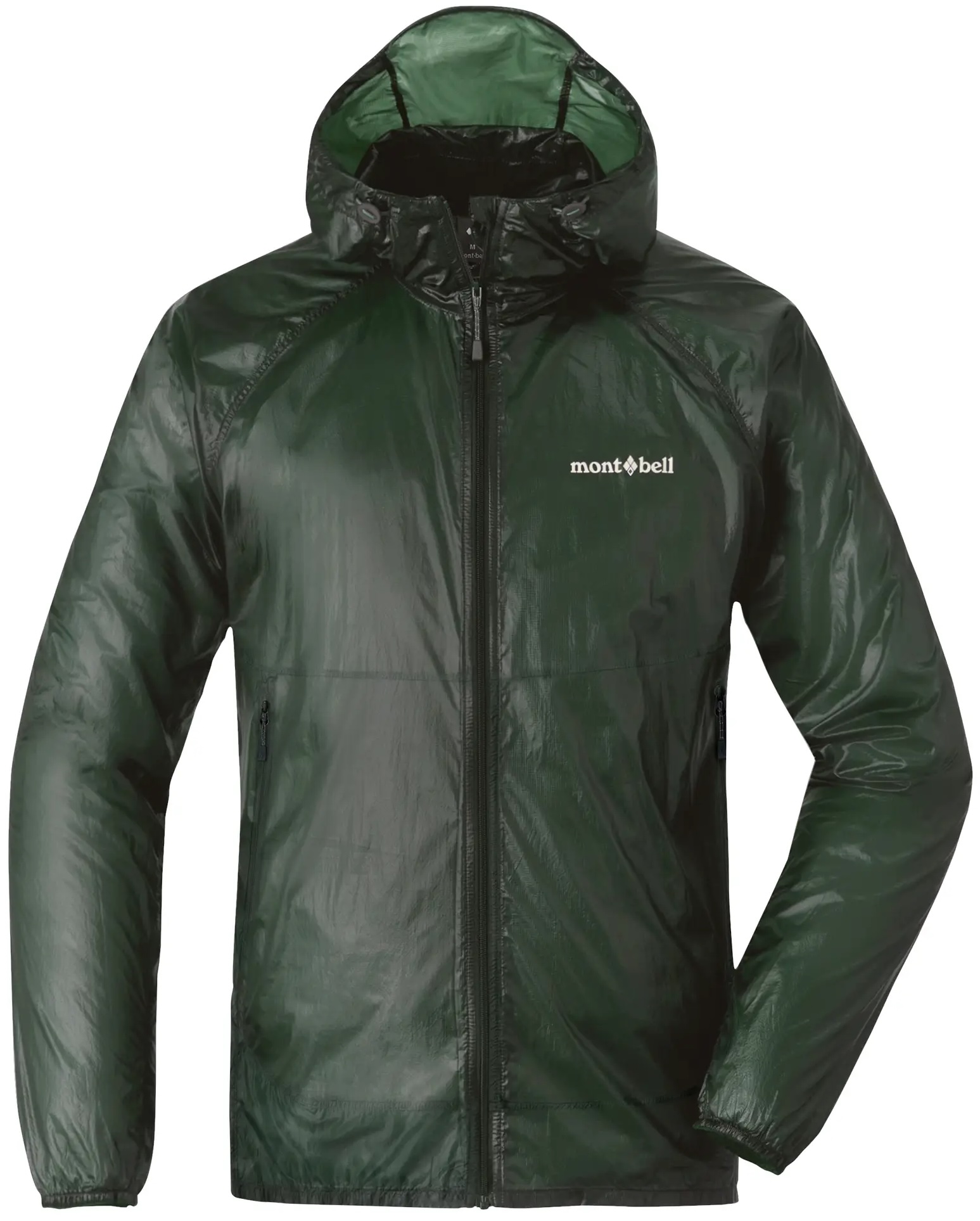
Category: Hiking/running
Weight: 2.5 oz. (men's), 2.3 oz. (women's)
Materials: 100% ripstop nylon
What we like: A fully featured windbreaker for a very low weight.
What we don’t: Very trim fit; 7D fabric is fragile; can be hard to purchase.
Japan-based Montbell is renowned for producing high-quality, high-performance products that often outperform the competition in terms of weight. Their Tachyon is case in point: This windbreaker features thin 7-denier ripstop nylon and checks in at just 2.5 ounces. And unlike other ultralight windbreakers that shave weight with minimalist feature sets, the Tachyon manages to include two zippered hand pockets, a stow pocket with Velcro closure, an adjustable hood and elastic waist, and small underarm vents. It all adds up to a streamlined wind jacket that easily fits into the corner of your pack, the waistbelt of your running shorts, or the palm of your hand.
Our most noteworthy gripe about the Tachyon is its fit—when we opted for our standard size, we could barely zip the jacket up. The fabric also features a shiny finish, similar to that of the Enlightened Equipment Copperfield. That said, it’s supple and breathable—more so than a jacket like the Houdini—and lacks the swishy feel you’d expect from the glossy face. Of course, the thin fabric and streamlined fit mean it’s not our first choice for rock climbing or alpine environments. However, for weight- and space-conscious hikers and runners, the Tachyon is a great compromise between the stretchy, softshell-like windbreakers and standard nylon varieties.
See the Men's Montbell Tachyon Hooded See the Women's Montbell Tachyon Hooded
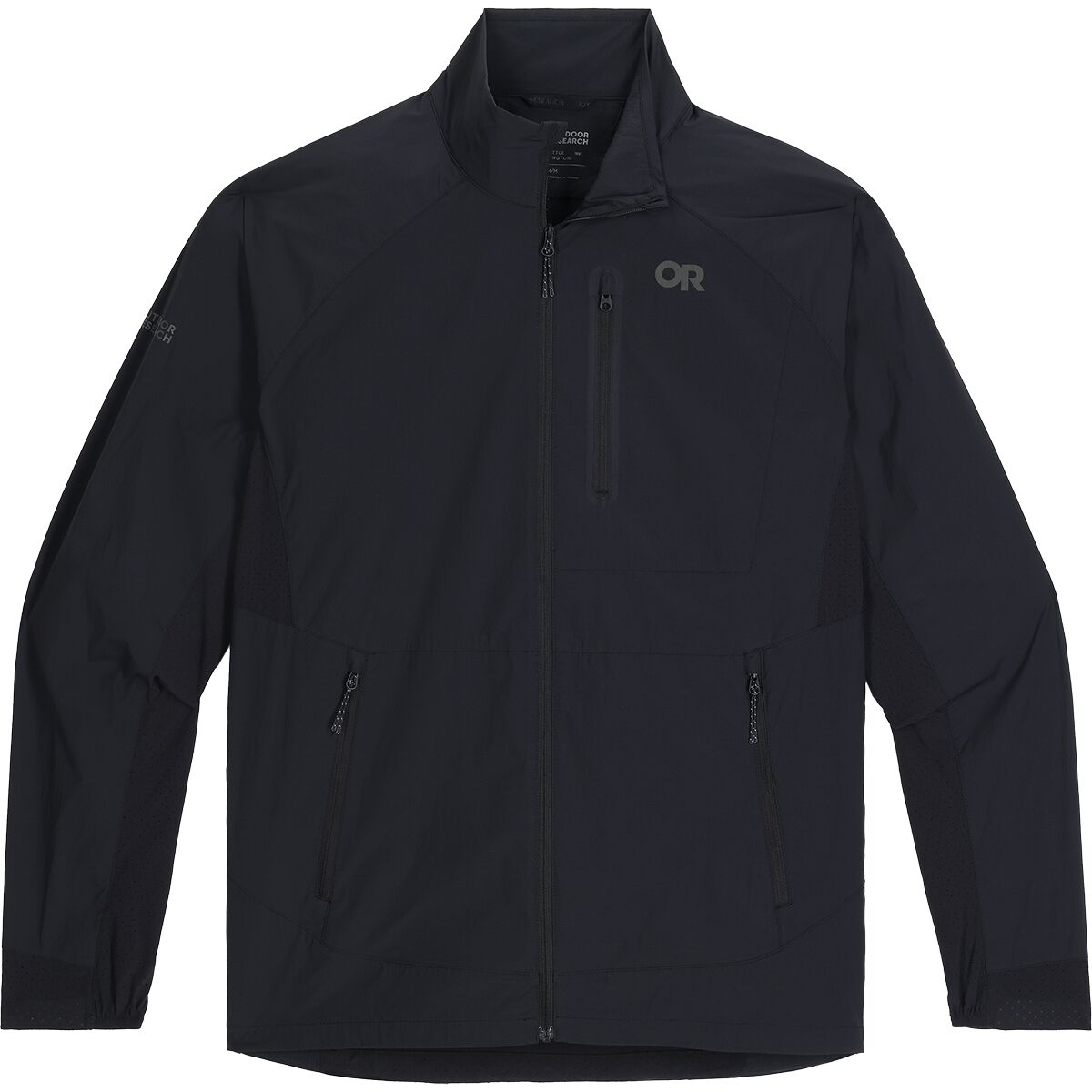
Category: Hiking/running
Weight: 5.3 oz. (men's), 4.5 oz. (women's)
Materials: 90% nylon, 10% spandex
What we like: A breathable, stretchy, and comfortable wind layer with pockets.
What we don’t: Pricey, chilly, and not the lightest jacket on this list.
Like the other running-specific layers on this list, Outdoor Research’s Deviator Wind Jacket aims to strike the tricky balance of protection, breathability, and low weight. The standout feature of the Deviator is its perforated paneling along the back and underarms, which enhances breathability in areas prone to sweat. We found this feature helpful when carrying a pack, whether backpacking or running with a hydration vest. The rest of the jacket features a form-fitting yet stretchy nylon and spandex face fabric that moves with you. And although the Deviator weighs just 5.3 ounces (4.5 oz. for the women's), Outdoor Research manages to include a low-profile zippered chest pocket and two zippered hand pockets for warming up the digits. Most recently, the Deviator joined us on a backpacking trip in the Pasayten Wilderness, where it provided much-needed warmth on early morning starts.
That said, we think the Deviator is a bit of a ‘tweener: It’s not quite warm enough for lower-output activities in cool weather, but it’s not quite lightweight enough for running or fast-and-light alpine missions. We think that OR could reduce the number of pockets to bring the weight of this jacket closer to that of others on this list. Patagonia’s Airshed Pro is a more well-rounded jacket for high-output activities: It’s almost an ounce lighter, just as breathable, and comes with a hood. That said, while we think it needs some refinement, the Deviator is far from a poor design, and we've found ourselves reaching for it for all kinds of backpacking, biking, and running missions.
See the Men's OR Deviator Wind Jacket See the Women's OR Deviator Wind Jacket
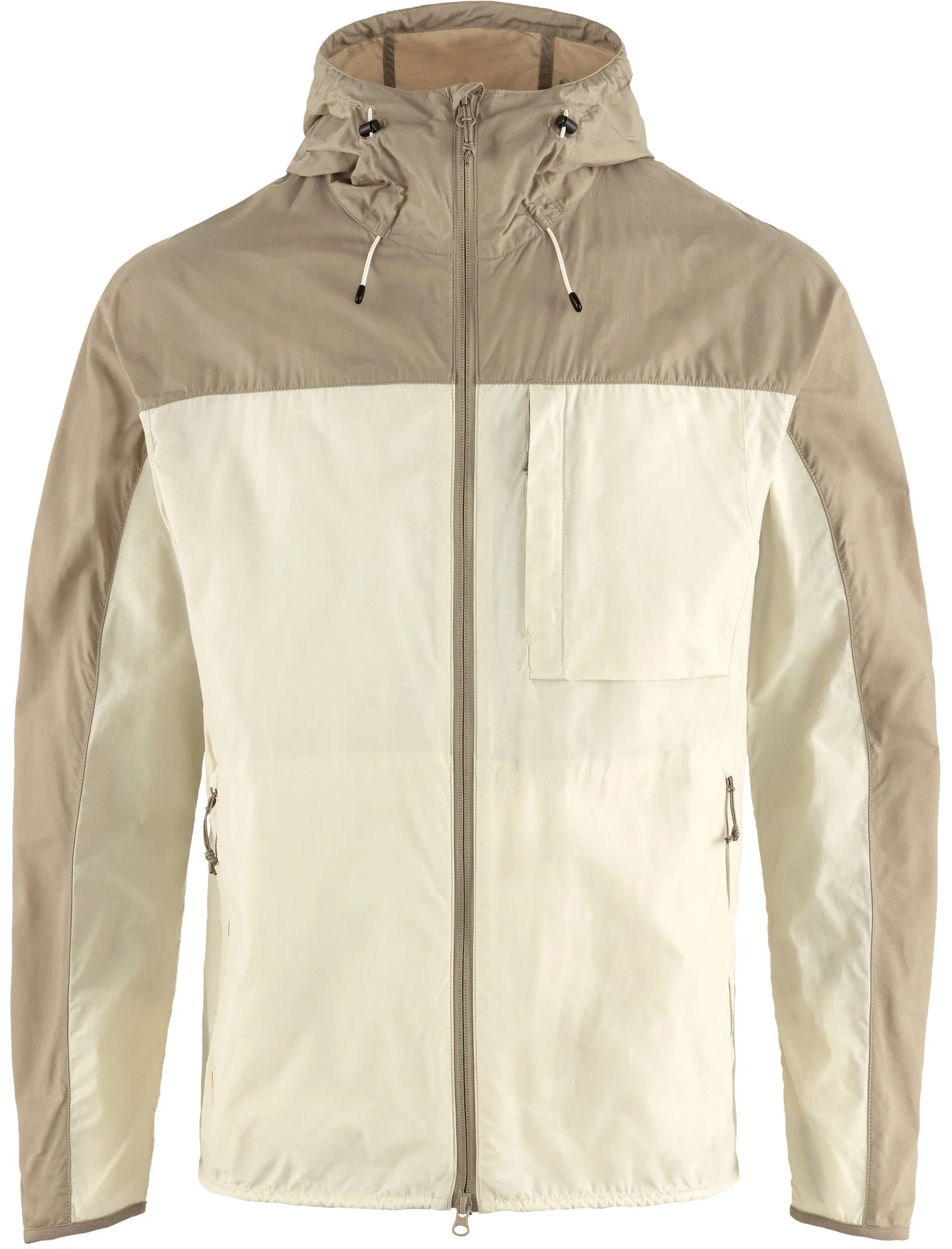
Category: Hiking
Weight: 12.2 oz. (men's), 10.9 oz. (women's)
Materials: 54% nylon, 46% cotton
What we like: Thick and good-looking.
What we don’t: Heavy and expensive.
Fjallraven does things differently than most brands on this list, prioritizing factors like toughness, build quality, and good looks over weight and packed size. But don’t be fooled: For certain uses and conditions, we’ve been very impressed with what Fjallraven has to offer. The High Coast Wind Jacket is the heaviest model on this list, weighing 12.2 ounces. It utilizes a combination of polyamide and cotton instead of polyester or nylon, and features ample storage, including two hand pockets and a zippered chest pocket. Clearly, this isn’t your typical wind jacket.
In practice, we’ve found that Fjallraven gear performs best in cool to cold conditions, which makes sense given the company’s Swedish roots. And given the weight, this jacket is ideal for short day hikes or other excursions where you're not worrying about shaving ounces. That said, the heft does have its upsides: The High Coast is the thickest jacket on this list, which bodes well for wind resistance and toughness. It’s also well built, more durable than most, and even downright stylish. At the end of the day, it's one of the best windbreakers here for transitioning from trail to around-town use.
See the Men's Fjallraven High Coast See the Women's Fjallraven High Coast
We've tested numerous windbreakers over the years, and this list is a result of the effort, miles, and time we've invested in each one. While we have our favorites, we continually test new models that hit the market. But not every jacket meets our high standards for performance, cost, and durability.
To start, we decided to remove the Flylow Gear Davis and the women's Samara Anorak (out of stock at the time of publication) after conducting continued testing. Our biggest complaint about this model is the lack of stretch in the fabric, which restricts its mobility. Our sample also began to wear out after continuous use, and the hem cinch failed to retain its elasticity. For the price, we felt these issues were dealbreakers.
The Outdoor Research Shadow Wind Hoodie also didn't make the cut this time. Like the BD Distance Wind Shell, we didn't think it was a bad jacket, but we think there are better options on the market. Our biggest gripe with the Wind Shadow is fit, which we found to be a bit baggy and bulky. Again, the Houdini is a better jacket at a lower price.
Lastly, we removed the Mountain Hardwear Kor AirShell because it was too drafty. A hem cinch would solve the issue (it has an elastic hem that isn't as effective), but until then, we think that you're better off with the other option on this list.
| Windbreaker (Men's/Women's) | Price | Category | Weight (M/W) | Materials | DWR | Pockets |
|---|---|---|---|---|---|---|
| Men's Patagonia Houdini Women's Patagonia Houdini | $119 | Hiking/alpine | 3.7 oz./ 3.4 oz. | 100% ripstop nylon | Yes | 1 |
| Men's Cotopaxi Teca Half-Zip Women's Teca Half-Zip | $85 | Hiking | 5.2 oz./ 4.8 oz. | 100% polyester taffeta | Yes | 3 |
| Men's BD Alpine Start Women's BD Alpine Start | $219 | Alpine/hiking | 7.3 oz./ 6.4 oz. | 93% nylon, 7% elastane | Yes | 1 |
| Men's Patagonia Airshed Pro Women's Patagonia Airshed Pro | $139 | Running | 3.7 oz./ 3.3 oz. | 100% stretch poly w/ knit | Yes | 1 |
| Men's EE Copperfield Women's EE Copperfield | $120 | Hiking/running | 2.3 oz./ 2.1 oz. | 100% nylon | Yes | 0 |
| Men's Rab Vital Hooded Women's Rab Vital Hooded | $100 | Hiking/running | 4.6 oz./ 4.0 oz. | 100% polyamide | Yes | 2 |
| Men's Black Diamond Distance Women's BD Distance | $179 | Hiking/alpine | 2.5 oz./ 3.5 oz. | 100% ripstop nylon | Yes | 1 |
| Men's Montbell Tachyon Women's Montbell Tachyon | $130 | Hiking/running | 2.5 oz./ 2.3 oz. | 100% ripstop nylon | Yes | 3 |
| Men's OR Deviator Women's OR Deviator | $165 | Hiking/running | 5.3 oz./ 4.5 oz. | 90% nylon, 10% spandex | No | 3 |
| Men's Fjallraven High Coast Women's Fjallraven High Coast | $200 | Hiking | 12.2 oz./ 10.9 oz. | 54% nylon, 46% cotton | No | 3 |
A windbreaker jacket is one of those items we don't leave home without, whether we’re embarking on a day hike, starting up a multi-pitch climb, or heading into the alpine. We first kicked off this guide in 2020 with 17 favorites following a gusty trip to Patagonia, where knock-you-over winds are a near-constant in the mountains. Editor Maddie Downie took over the guide in 2024, refining our current lineup of 10 worthy picks with input from the rest of our team. If Maddie has learned one thing from her alpine adventures in the North Cascades, it's that the weather can go from calm to blustery in an instant.
As we’ve experienced firsthand times in the outdoors, wind can be relentless and unpredictable, making a windbreaker jacket a no-brainer for us to always have in our packs. Of course, the primary consideration in testing these pieces is their ability to seal out gusts, but we also try to weigh that against other important considerations, such as breathability and durability. Fit will come down to personal preference and your intended use(s), but we pay close attention to the silhouette of each jacket, as well as any features that help dial in the hem and/or hood. Weight, packability, and features vary between models and will depend on how you prioritize convenience and storage versus keeping weight to a minimum.
 What is a Windbreaker Jacket?
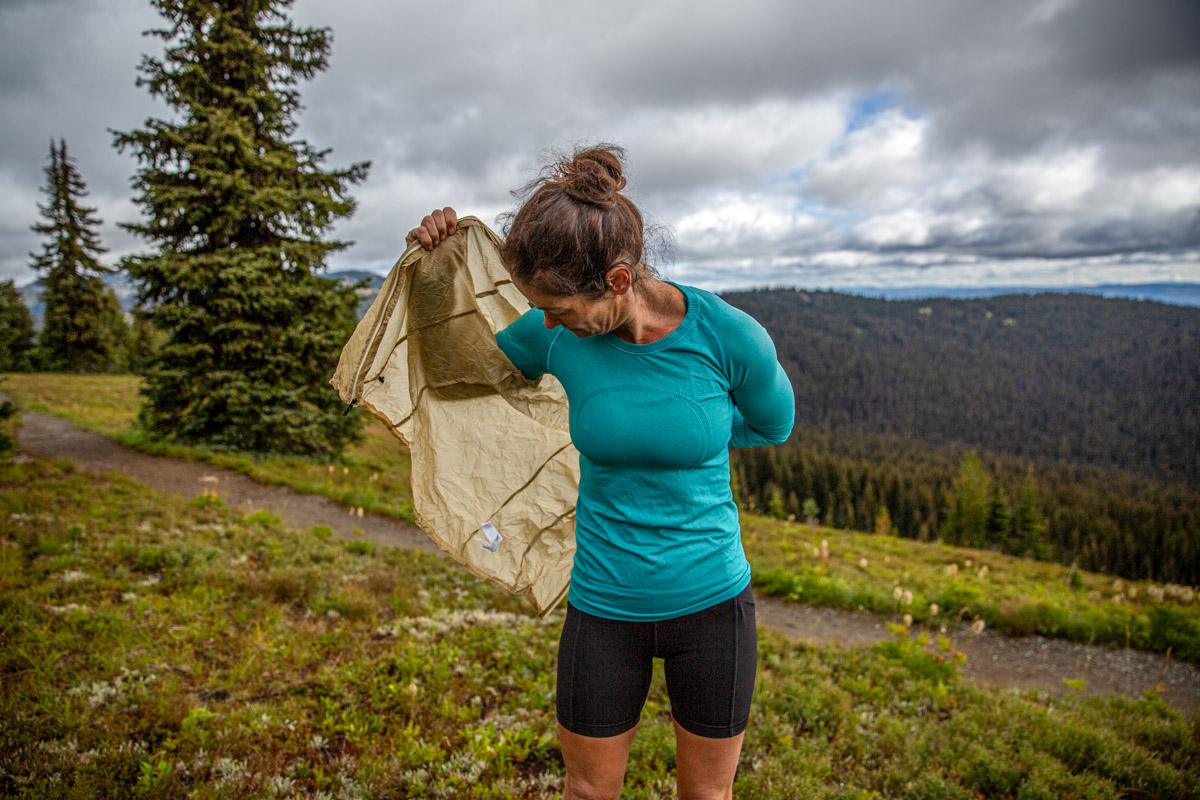
A windbreaker, often referred to as a wind jacket, wind shell, or wind shirt, serves as a barrier between your body and wind and light precipitation. These jackets are small but mighty—you don’t get full waterproofing or insulation as you might find with a rain jacket or softshell, but the simple act of blocking the wind has a noticeable impact on your body’s ability to hold its warmth. Additionally, most have a nylon, polyester, or sometimes wool shell material, and a DWR coating that helps water bead off instead of soaking in. Due to their minimalist design, windbreaker jackets keep weight and bulk to a minimum (many weigh less than 5 ounces and pack up into their own chest pocket), and they are generally more affordable than other styles of jackets.
.jpg)
In our opinion, windbreakers are the most versatile piece of outdoor clothing available. For one, they’re so small that there’s always enough room to bring one along, whether it’s stuffed into your hiking pack or clipped to your climbing harness. Second, if you’re anything like us, chances are that most of the time you head outside in mild temperatures and under dry skies. In these conditions, a windbreaker jacket is sufficient to keep you warm when a breeze picks up, or the sun goes behind a cloud. And with a DWR finish for added water resistance, they are a great option for a lightweight and breathable emergency layer.
All windbreaker jackets share the common intent of keeping the wind at bay, but differ in terms of features, weight, packability, weather protection, and more. While some are intended for casual use, others deliver exceptional performance where it matters. To help you choose, we’ve separated windbreaker jackets into three general categories: hiking, alpine, and running.
Hiking
Windbreakers in our alpine and running categories, listed below, are designed to offer the best in weather protection and breathability for high-performance activities. However, not everyone’s idea of fun involves a high-intensity run or mountain scramble. For lower-output activities when you don’t anticipate generating much of a sweat—think hiking, downhill mountain biking, or traveling in a windy region like Patagonia—there are a variety of windbreakers that can get the job done. Jackets in our hiking category often keep prices low by using thicker and less technical fabrics (you don’t usually see stretch weaves here), which also sacrifice breathability. In general, these jackets have roomier fits and often feature hand pockets, which are great for everyday use. A few of the most popular windbreakers for hiking (and other low-output activities) are the Patagonia Houdini, Enlightened Equipment Copperfield, and Cotopaxi Teca Half-Zip.
Alpine
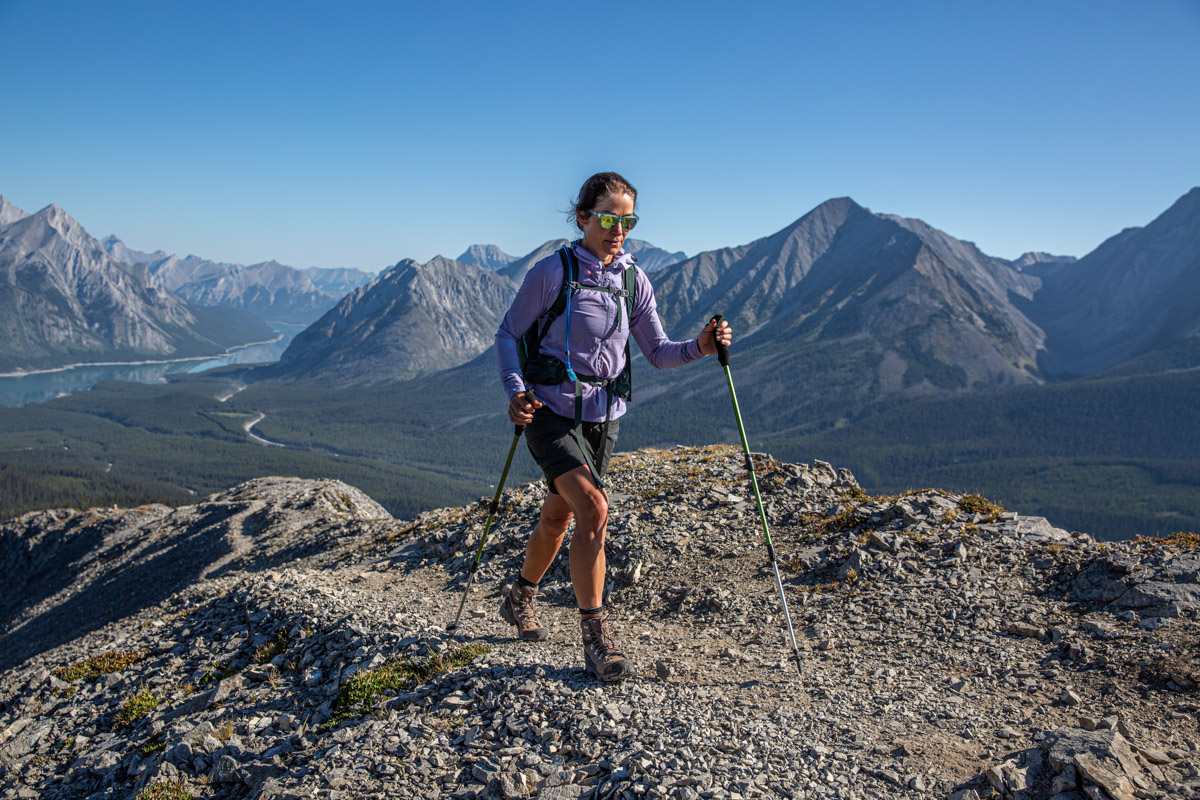
Whether we’re embarking on a multi-pitch climb, backcountry ski, or cross-country bike ride, we won’t leave home without a windbreaker. For sports that require a high degree of mobility and breathability, alpine-specific windbreakers often feature stretch in their design, and some are even sized more generously to allow for layering. Here, you’ll also see helmet-compatible hoods (often featuring a simple cinch), packable builds (ideal for carrying on a harness), and water-resistant finishes. Due to their increased performance, mountain-ready windbreakers can be heavier than their competitors, often weighing above 4 ounces and sometimes as much as 7-8 ounces. Our favorite all-around jacket for alpine environments is the Black Diamond Alpine Start Hoody, and the Patagonia Houdini makes an excellent lightweight and packable choice, albeit with less protection from the elements.
.jpg)
Running
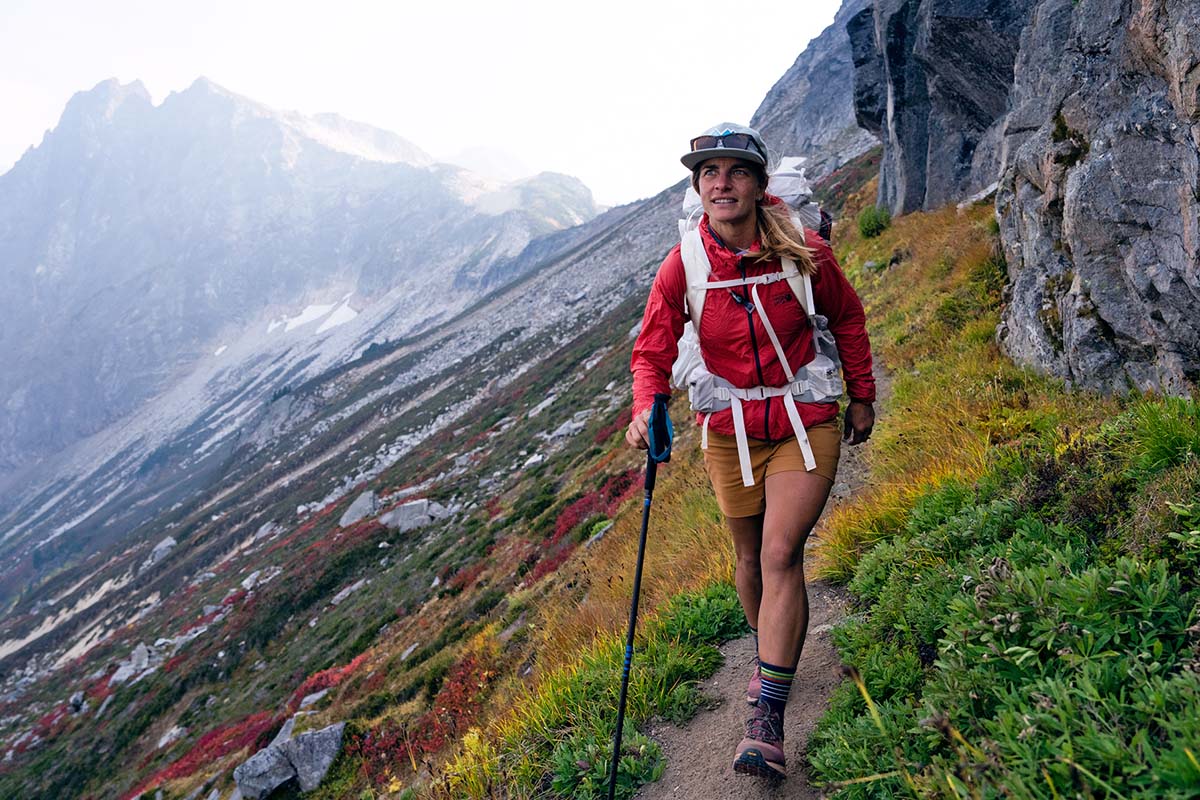
Running-specific windbreakers are designed to keep you protected from the wind without weighing you down or causing you to overheat. Jackets in this category are characterized by trim-fitting builds, minimalist or no hoods, low weights, and thin fabrics. Because a jacket’s ability to dump heat is the main priority when you’re building up a sweat (even in cold weather), many running windbreakers incorporate vents or mesh panels into their design, which can result in compromised wind and water resistance. In this category, we also see reflective strips for road running and built-in carrying features. One of our favorite running windbreakers is the Patagonia Airshed Pro.
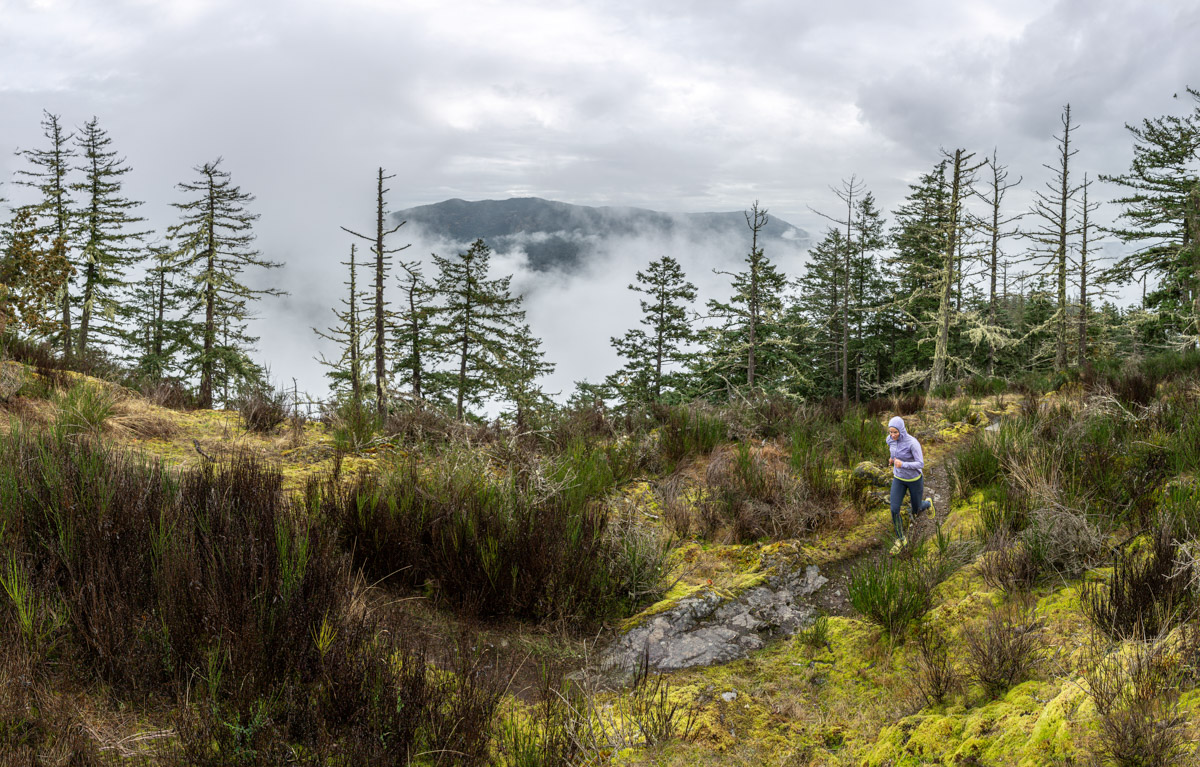
Similar to waterproofness, quantifying wind resistance can be tricky. From a technical perspective, manufacturers measure a fabric’s wind resistance in terms of CFM, or cubic feet per minute per square meter. A 0-CFM-rated fabric will not allow air to pass through at all, and the higher the CFM rating, the more air permeable the fabric becomes. Luckily, brands have found that there’s a certain range at which you can experience a significant increase in breathability without a big difference in wind protection. Thus, each jacket finds a sweet spot in CFM depending on its intended use. Some will forgo a little breathability for wind resistance (the Patagonia Houdini is a great example), while others will increase breathability in exchange for of protection.
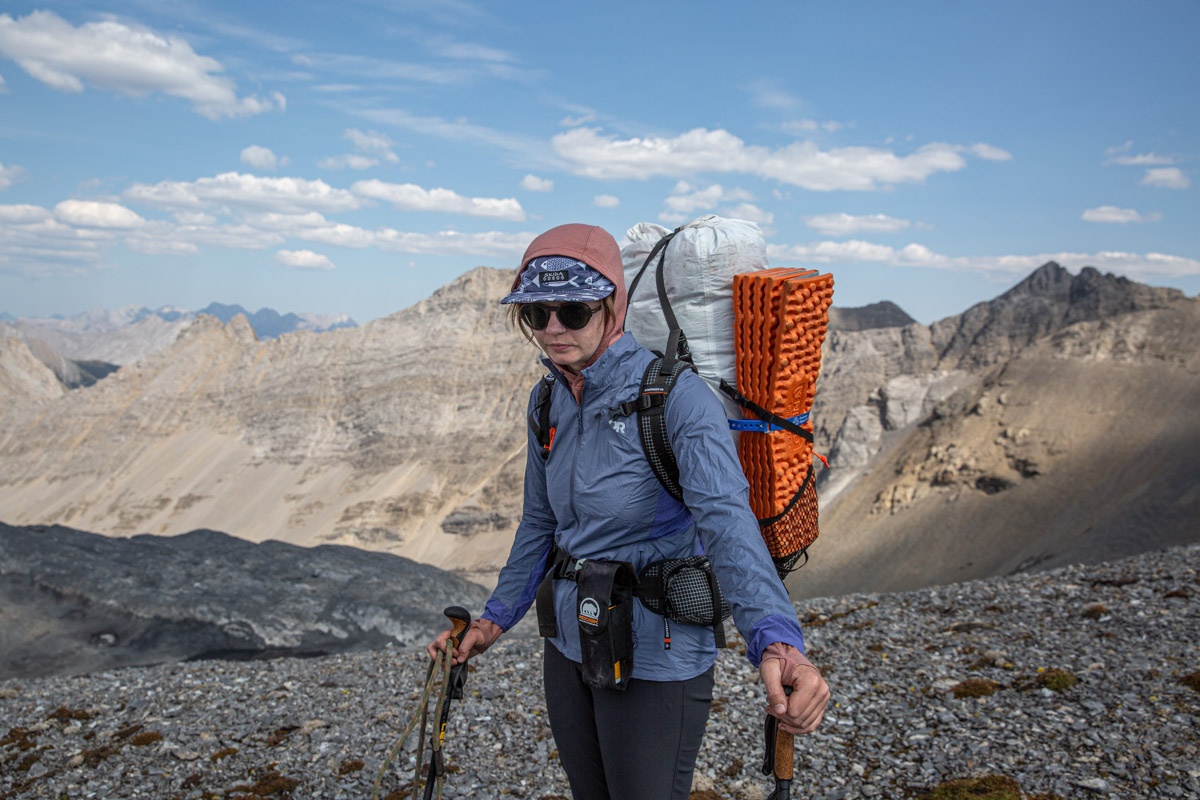
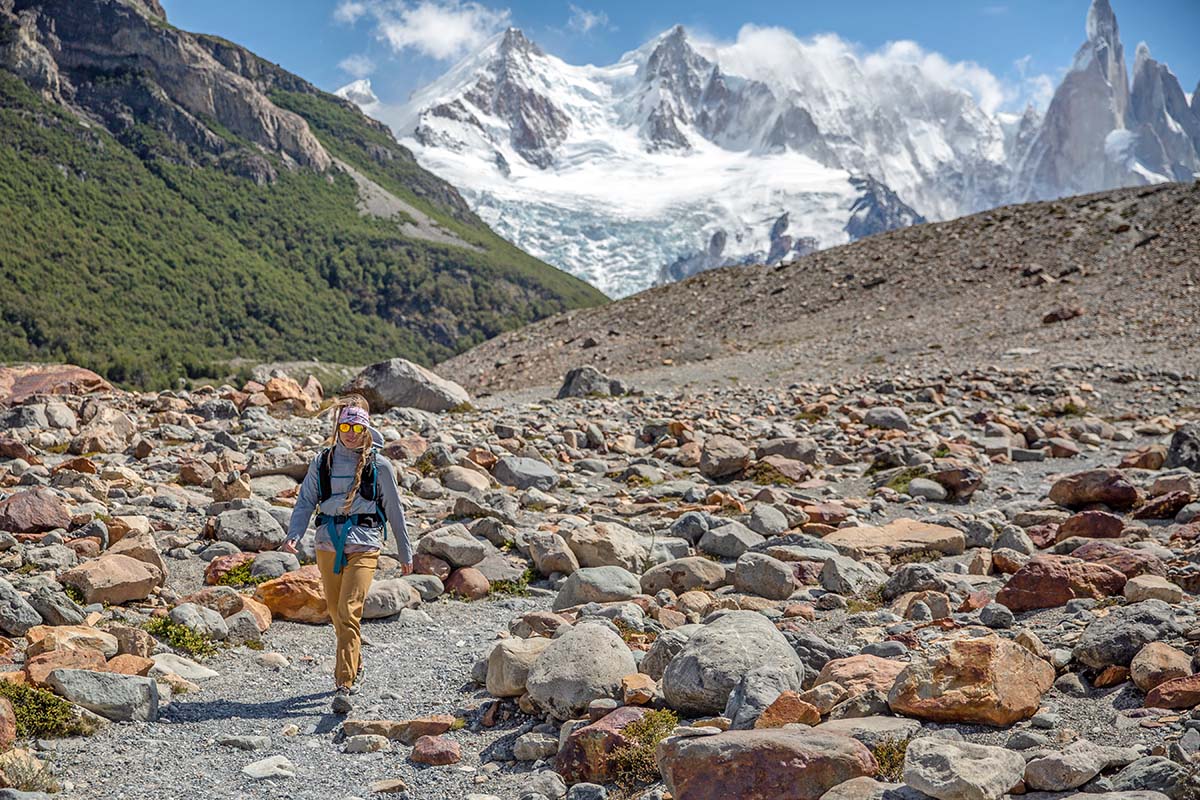
In practice, we’ve found these jackets to be quite impressive in blocking out wind despite their low weight and feathery feel. On a testing trip to Chilean Patagonia and its legendary strong gusts that never seem to stop, all four of us lived in our respective windbreakers. On one windy trek in the Cerro Castillo region, we were literally blown to the ground on multiple occasions to the point where we had to lie down to avoid getting toppled down the mountain. At some point, that type of situation evolves into hard-shell territory, where you want maximum thickness and material. However, throughout the trip, our wind jackets proved to be a true staple, punching well above their weight.
.jpg)
Ah, the great debate. Would you rather have a jacket that blocks air completely (windproof) or one that allows air to move freely from one side to the other (breathable)? As you can imagine, it’s no small task for a fabric to do both. It’s a good thing you live in this modern era. Many of the windbreaker jackets included in this article are competent at both, though Patagonia's Airshed Pro is one of our favorites for breathability.
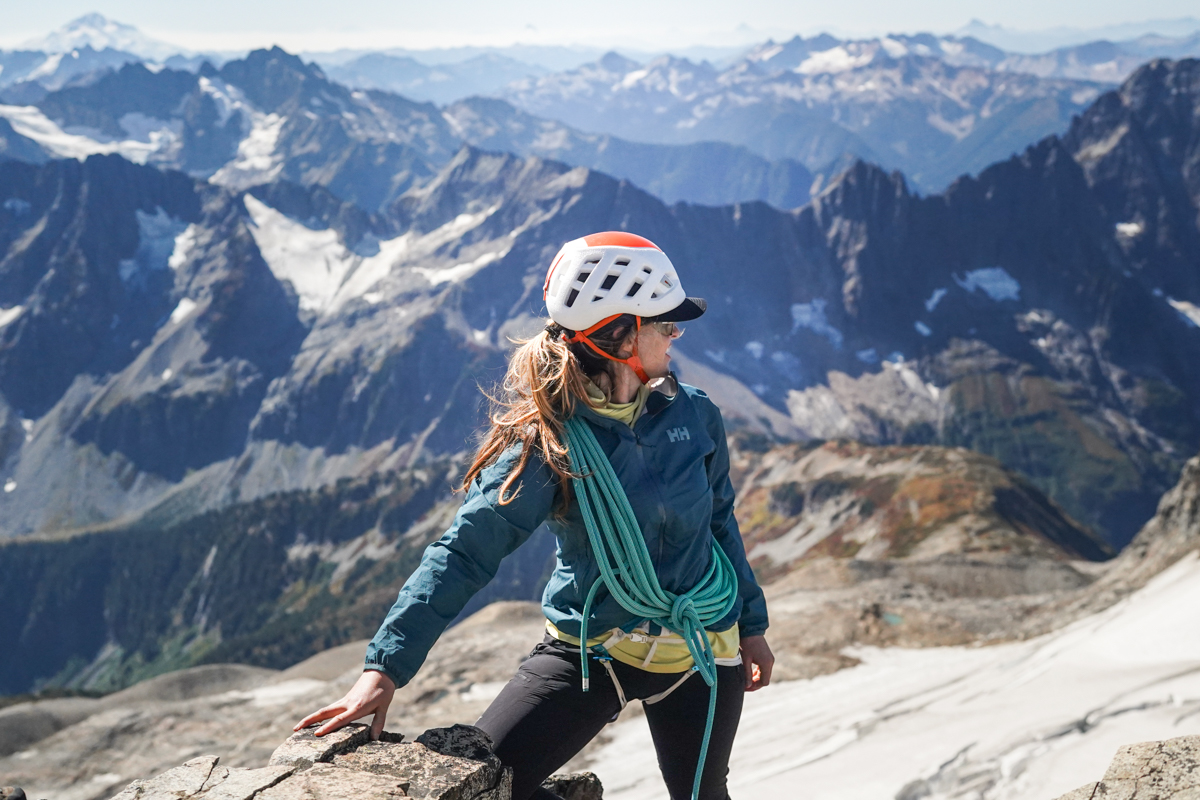
Before you go looking for the most breathable jacket money can buy, it’s important to consider your end use. If you plan to use your windbreaker for lower-intensity activities, such as casual hiking or travel, a less air-permeable jacket will suffice (like the Fjallraven High Coast Wind Jacket). Look for 100% nylon or polyester builds here (many of the models in our “hiking” category fit this bill), and the good news is that these models generally come with lower price tags. For high-output activities like running, climbing, and backcountry skiing, we recommend a more breathable windbreaker. These jackets are often made with stretch-woven fabrics or more complex blends, incorporate features like vents or mesh panels, and are more expensive. To help you navigate these complexities, keep an eye on our category designations—hiking, alpine, and running—to find the best fit for you.
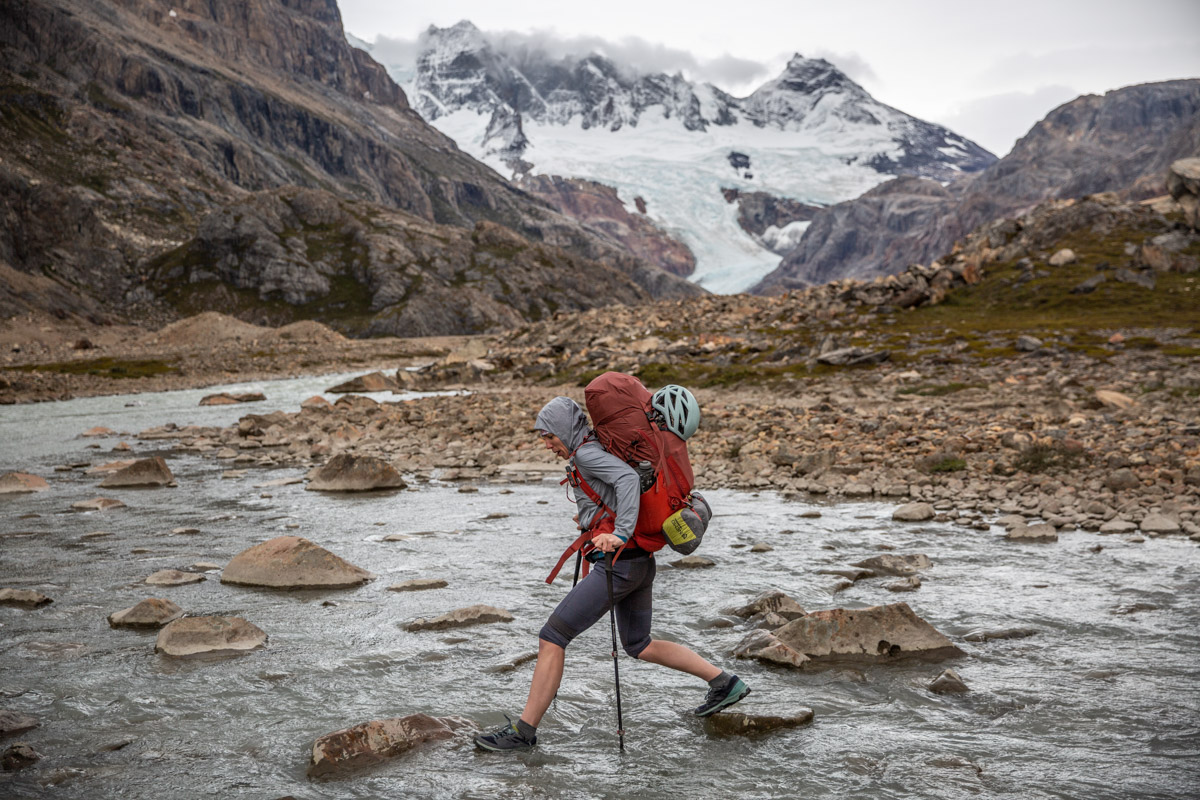
By definition, a windbreaker is not waterproof, but many of the jackets here are water-resistant. Whereas rain jackets or hardshells use a waterproof membrane to keep moisture at bay, windbreakers keep it simple with a durable water repellent (DWR) finish on their outer shell fabric, which causes water to bead up and roll off rather than soak through. It’s essential to note that DWR will wear off over time, resulting in diminished water resistance; however, it can be reapplied with a spray like Nikwax’s TX.Direct or revived by washing and drying your jacket. Be on the lookout for jackets with PFAS-free DWR, which eliminates harmful chemicals from the manufacturing process, your body, and the environment.
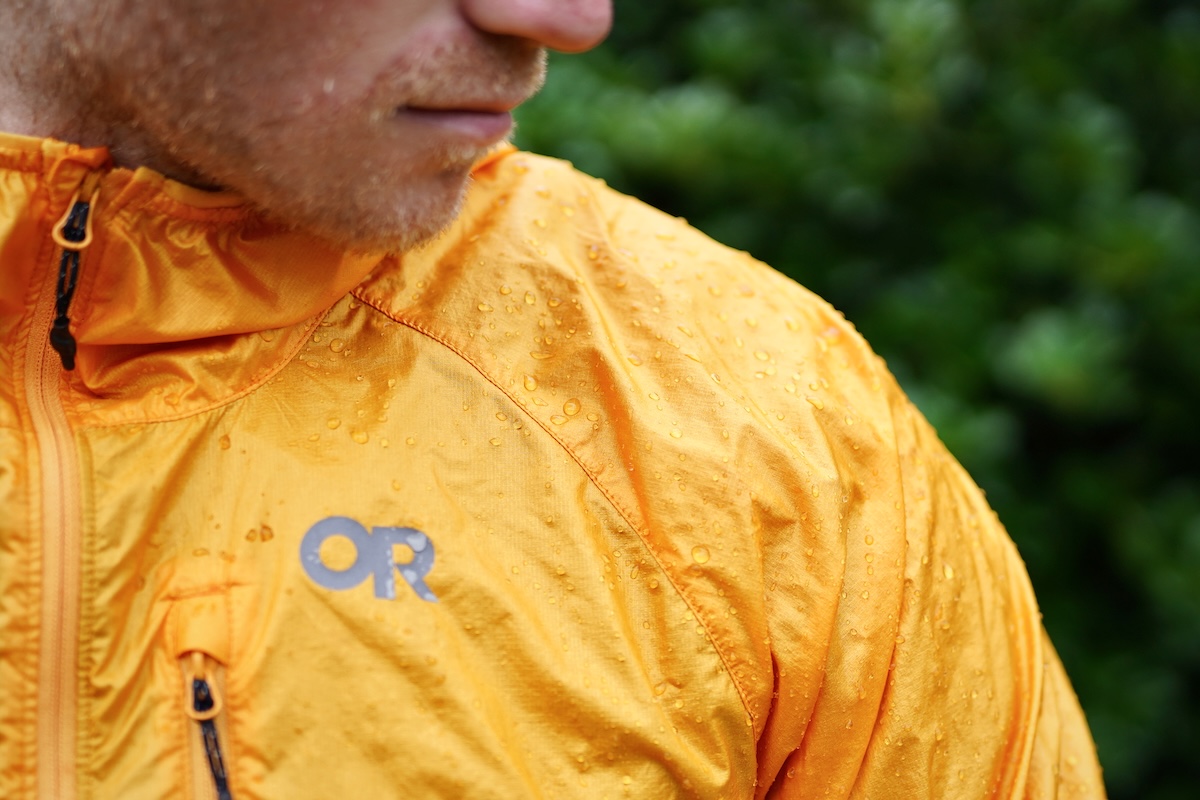
Not every windbreaker will offer added water protection aside from the added barrier of the shell material, so make sure to be on the lookout for a mention of DWR. In the end, we think the water resistance of these windbreakers is good enough for the majority of outings in light precipitation, considering that most of us venture outside when the conditions are good. Our experience has been very positive: We’ve worn the Black Diamond Alpine Start in everything from all-day drizzles to wet snow and never once felt the need to pull out our shell. Of course, in a sustained downpour, nothing can offer the same level of water protection as a dedicated rain layer. For true backcountry trips, we always bring a waterproof rain jacket or a hardshell jacket.
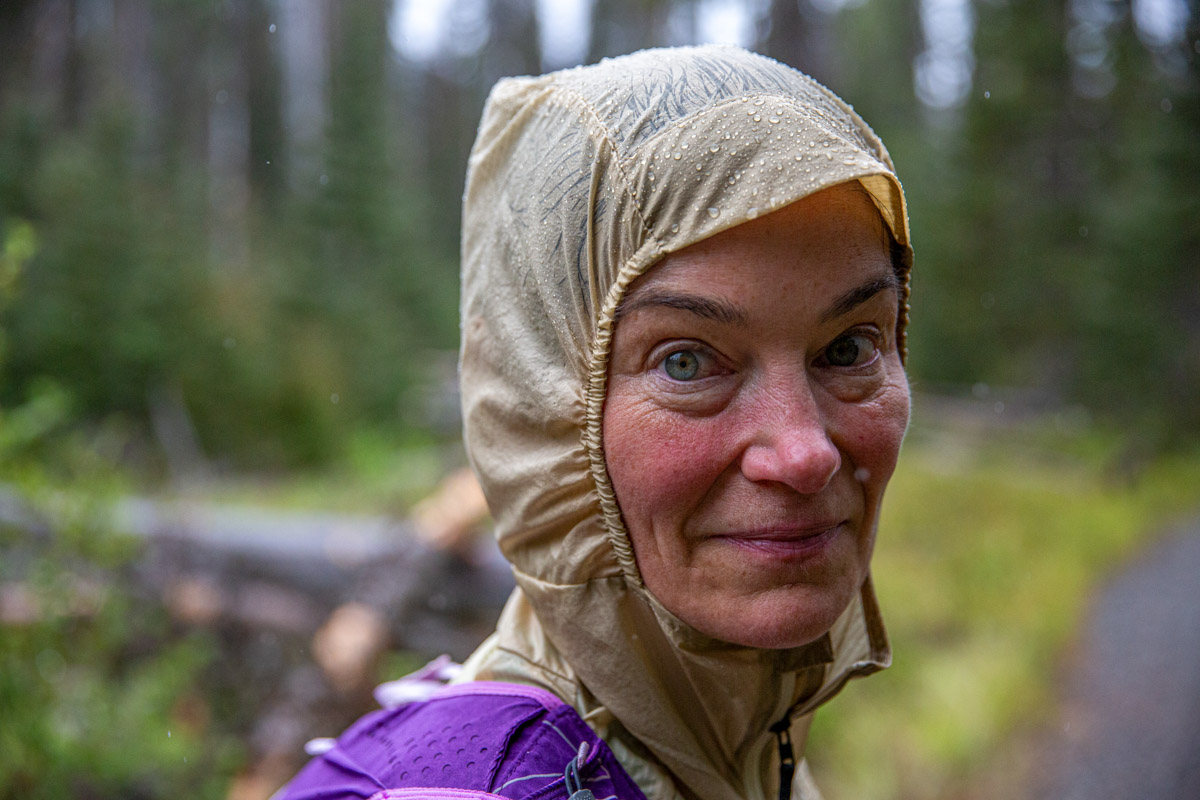
Windbreakers are lightweight and packable by nature, which is one of the main reasons they are such a functional type of jacket. Some designs prioritize minimalism more than others. But unless you’re a fastpacker or mountain runner with strict weight guidelines, we encourage you to first consider your intended use. For many people, the weight difference between a 3.7-ounce jacket like the Patagonia Houdini and a 5.0-ounce jacket like the Outdoor Research Shadow Wind Hoodie is barely perceptible.
That said, there are a few things you can expect with lighter jackets. Most of the time, these are 100% nylon builds (read: no stretch), and can feel akin to wearing a plastic garbage bag during high-intensity activity (unless they have built-in vents or mesh). Lightweight jackets often feature just one chest pocket or no pocket at all, and we also see hoodless or pullover styles. Often, lighter jackets are very trim-fitting. But not all performance drops with weight. For example, running jackets are among the lightest windbreakers, but their thin fabric and generous venting are more suitable for high-output activities than a thicker build. Further, lightweight jackets are not necessarily less wind-resistant than heavier options. In short, weight tells only part of the story when it comes to windbreakers. Ultimately, we encourage you to first determine your end use and then use the weight specification to help narrow down your choice.
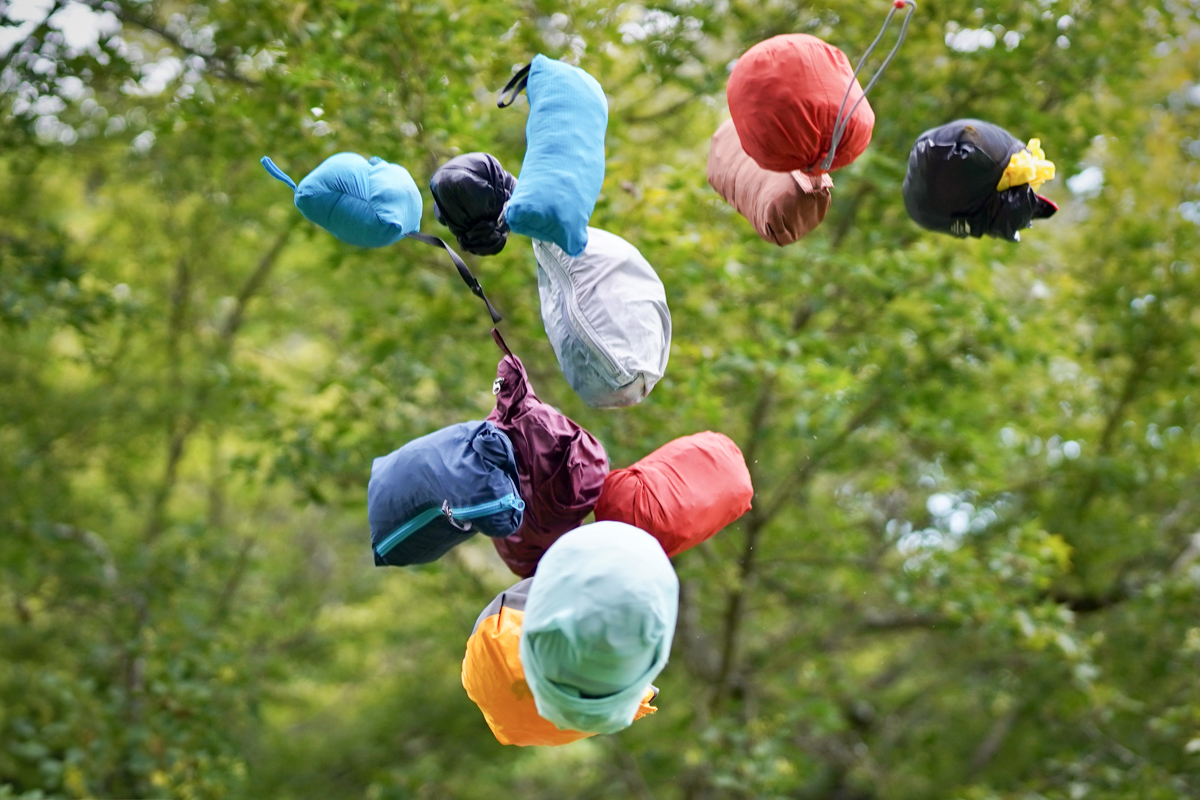
In terms of packability, the majority of windbreaker jackets are designed to stuff into their own chest or hip pocket, which usually includes a carabiner loop on the inside. For on-the-go activities such as climbing, this feature is invaluable: You can clip your jacket to your harness with a carabiner and eliminate the need for a backpack (which can be very burdensome when climbing). You’ll also want to consider the bulk of the packed jacket, as some will be more onerous for a harness or hand carry than others. Typically, weight, features, and fabrics (100% nylon is the most packable, while stretch-woven fabrics are the least packable) are good indicators of bulk.
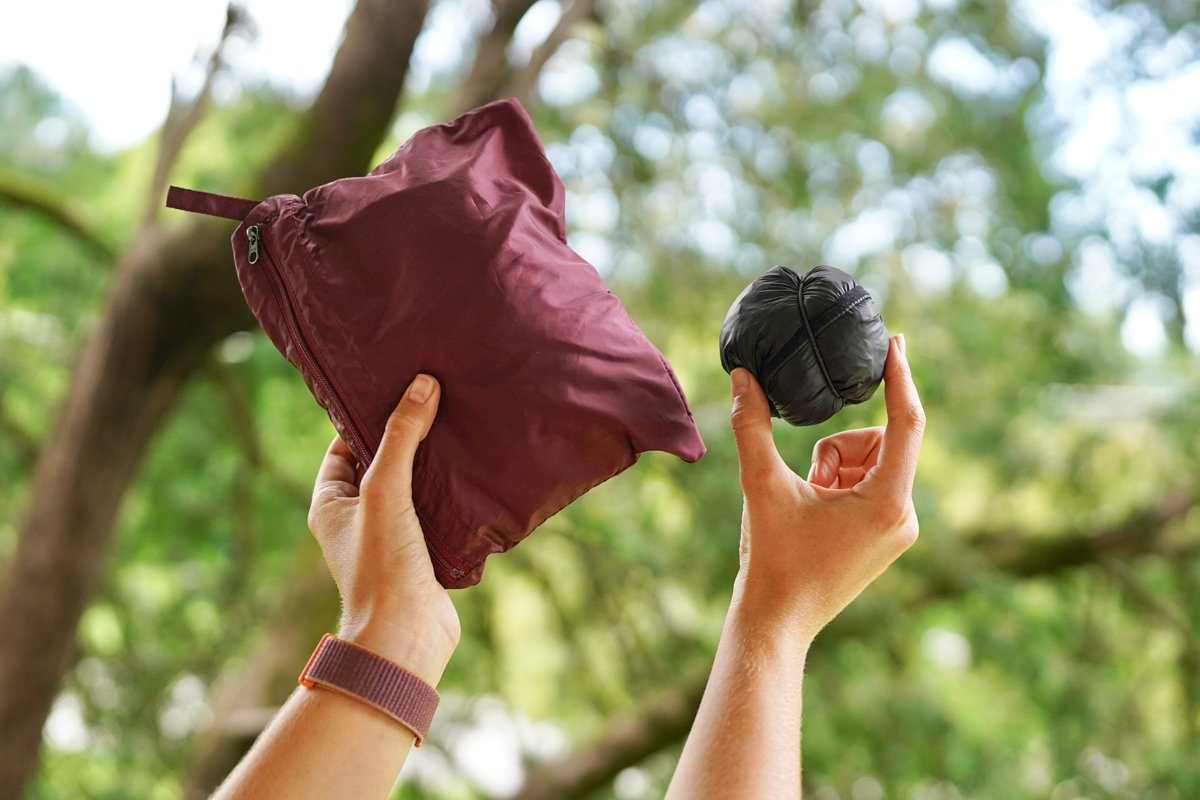
The majority of windbreaker jackets are made with 100% nylon or polyester. With just a few exceptions, these simple weaves have little to no stretch, meaning they don’t offer great freedom of movement. Furthermore, 100% nylon or polyester jackets often suffer from poor breathability due to their tight weave, which is not very air-permeable. However, these jackets still have a lot going for them: they are the lightest and most packable designs (particularly those made from nylon) and often the most affordable (particularly those made from polyester). Additionally, features like gusseted underarms and drop-tail hems allow many to add ample mobility. We wore the 100% nylon Patagonia Houdini for years as our go-to climbing windbreaker, benefiting from its lightweight wind protection while embracing the compromises that came with it.
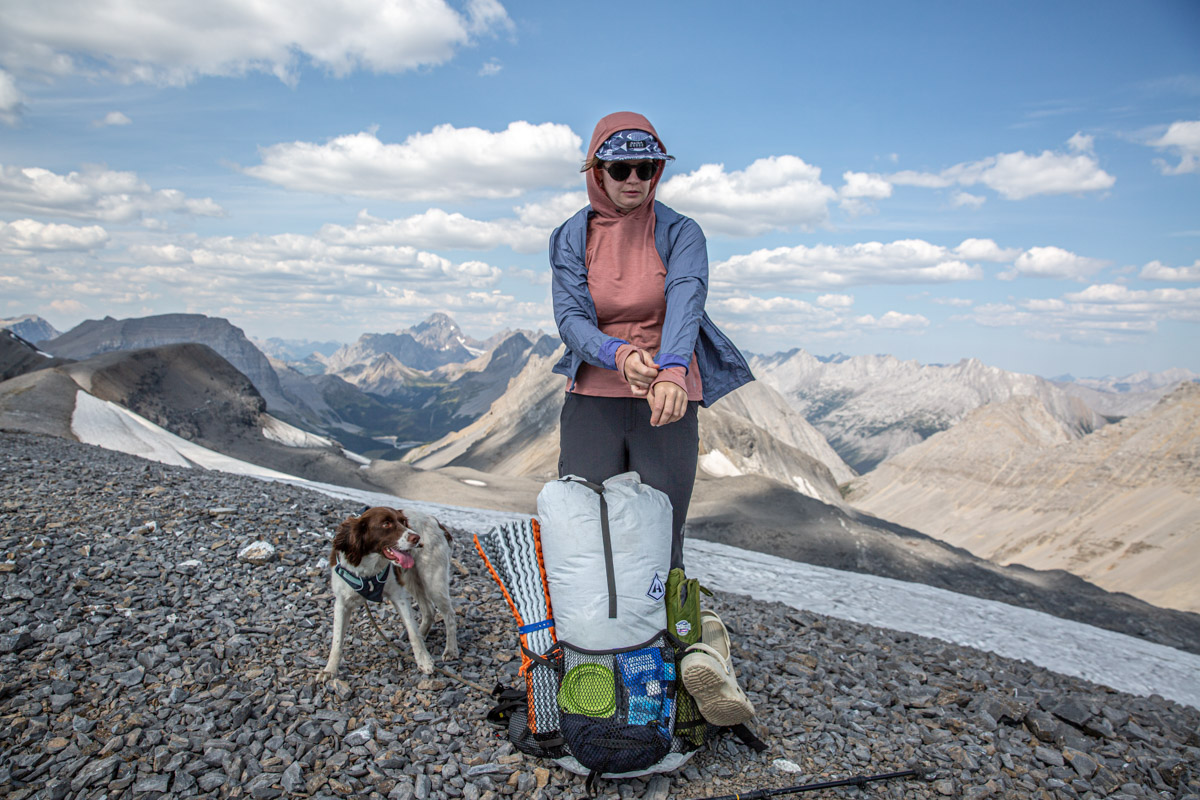
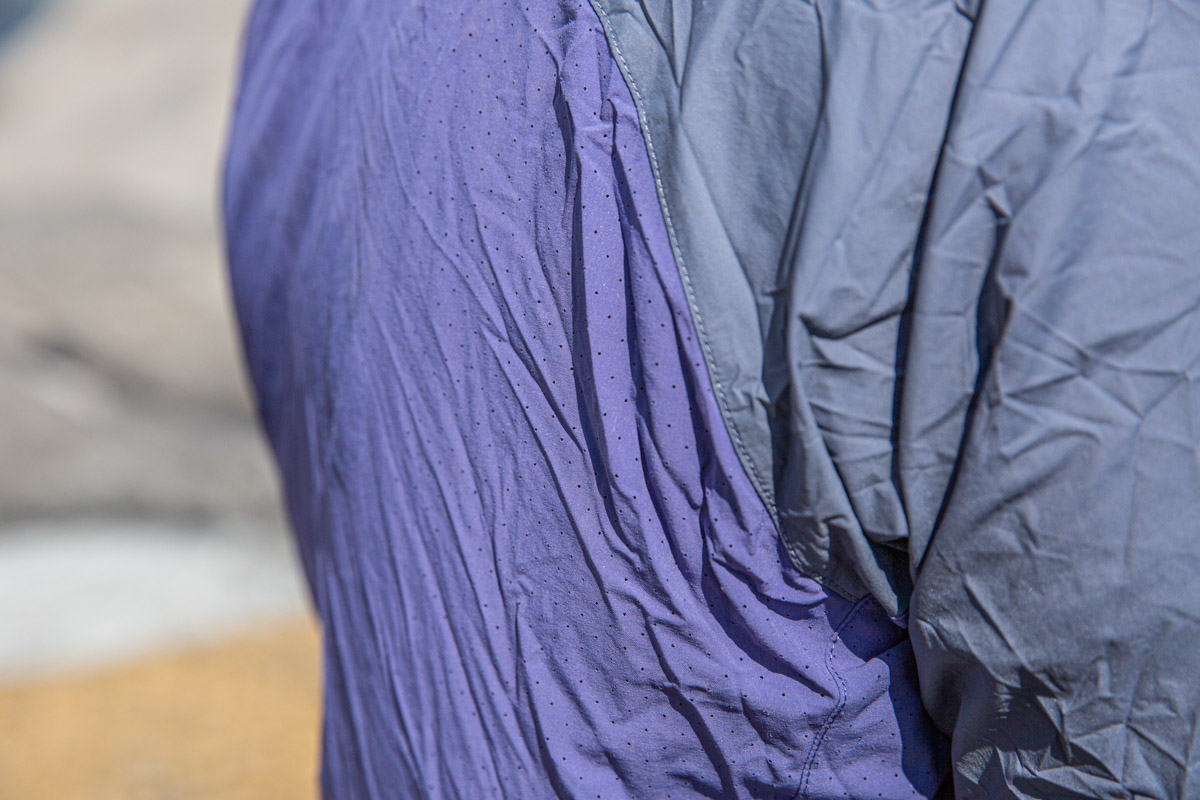
However, more and more designs incorporate stretch into their fabric, either by way of their weave (like we see in the Patagonia Airshed Pro) or by adding a small amount of elastane/spandex (as with the Outdoor Research Deviator. Regardless of the method used, the result of added stretch is improved mobility, increased breathability, and a softer next-to-skin feel. In other words, these are your premium windbreakers. Of course, top-notch performance comes with trade-offs. Most of the time, stretch woven fabric is heavier and bulkier than straight nylon or polyester, and it’s often more expensive as well. Furthermore, increased breathability (read: air permeability) affects wind resistance—although not to a noticeable extent, in our experience.
.jpg)
Given that windbreaker jackets are minimalist in nature, most are designed with a trim fit. In addition to shedding ounces and bulk off the build, this also means you won’t have any excess material getting in the way, which is great for activities like running and climbing. For this reason, we see the most streamlined fits in our ultralight running models (like the Patagonia Airshed Pro) and some ultralight alpine designs (the Patagonia Houdini, for example), both of which can accommodate a thin shirt or baselayer underneath—but not much more. On the other hand, some of the styles in our hiking category (the Cotopaxi Teca, for example) and a few mountain-specific designs have a roomier fit that can be layered over an insulated jacket.
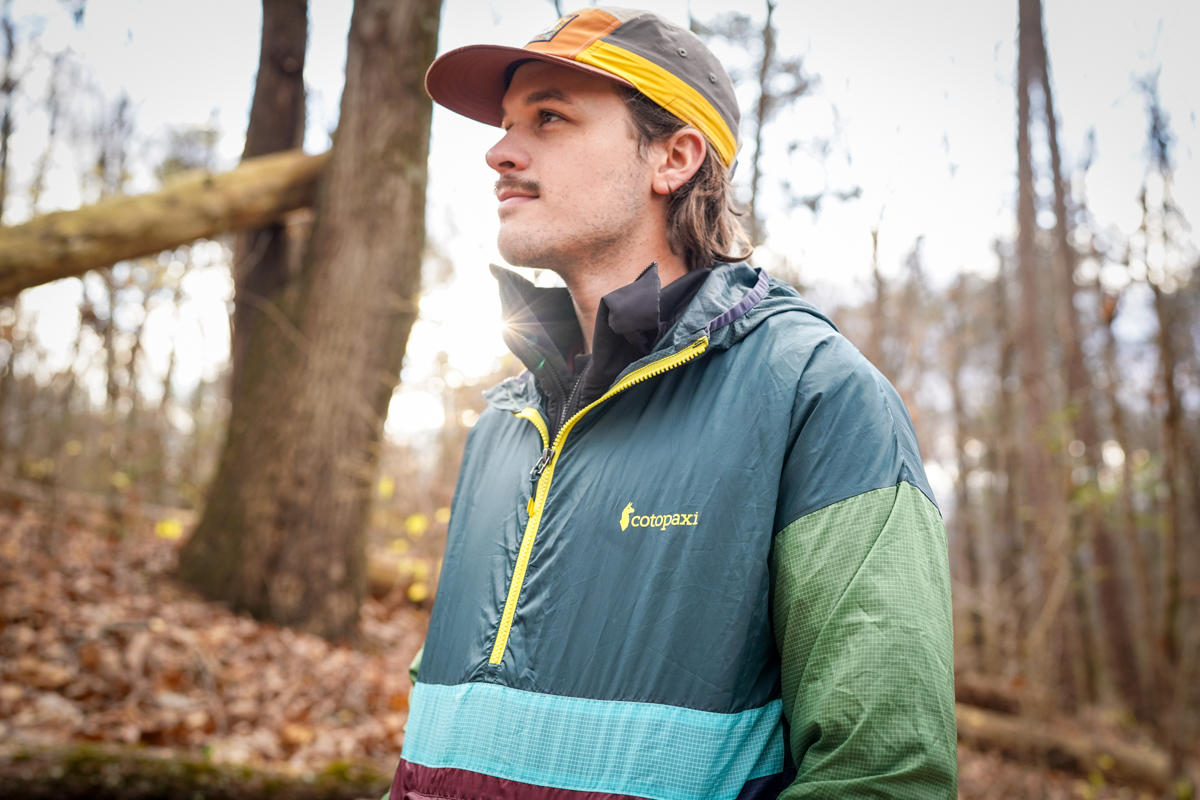
In our experience, the trim fit of windbreakers makes sense for most uses. If you’re running, working hard on the skin track, or climbing on the sharp end, you’ll likely be building enough heat to need only a light baselayer underneath. At the belay or during a transition, you can always throw your insulated jacket over top. For some, however—those who run cold, need the extra freedom of movement, or plan to use their windbreaker in the cold—it can be a good idea to size up to accommodate more layers underneath.
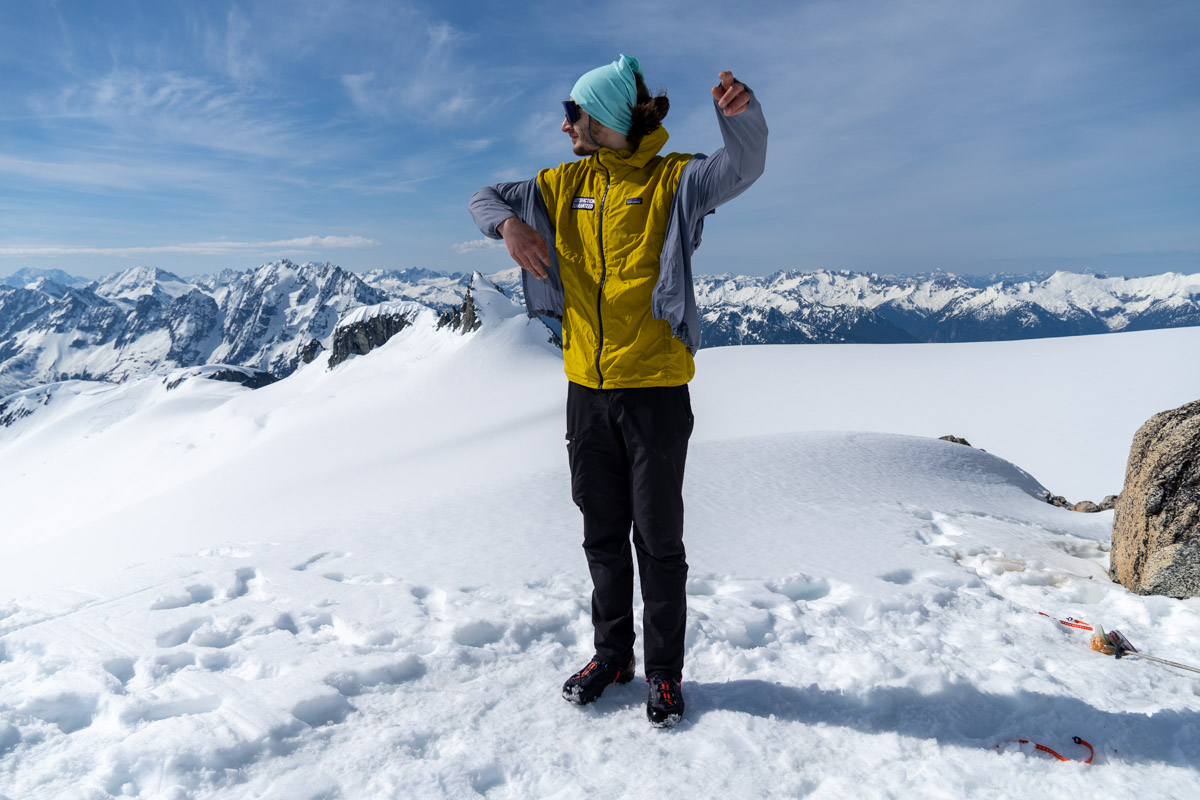
In general, windbreakers have stripped-down feature sets that prioritize weight savings and packability. Most jackets have a single chest pocket that doubles as a stuff sack, a simple hood adjustment, and a hem cinch. Some alpine jackets will feature larger helmet-compatible hoods, while other designs will prioritize weight reduction by eliminating the hood altogether. In terms of the zipper, most jackets have a full-length zipper, although some ultralight models cut weight with a pullover design (like the Patagonia Airshed Pro). If you’re looking for a step up in features, our hiking category is a good place to start. With less emphasis on ounce-counting, many of these jackets offer a wider range of adjustments and more pockets.
_0.jpg)
Ultralight and thin by design, you aren’t out to lunch if you are worried about the durability of windbreaker jackets. To stack the odds in your favor, it’s a good idea to look for ripstop fabrics (like the Black Diamond Distance) or stretch-woven materials that give under pressure rather than rip (like on the Mountain Hardwear Kor AirShell Hoody). Thicker shells—indicated with higher denier ratings, grams per square meter (gsm), or ounces per square yard (oz./yd)—will be more durable than thinner varieties, but you’ll pay a price in weight and packability. Keep in mind that a DWR coating does more than just protect against rain—it also keeps dirt and oils from soaking into the shell, preserving the life of the fabric. Finally, the small zipper is a key failure point on windbreakers, but few are designed with more robust options. Treat it with extra care and buy from a manufacturer with a great repair policy.
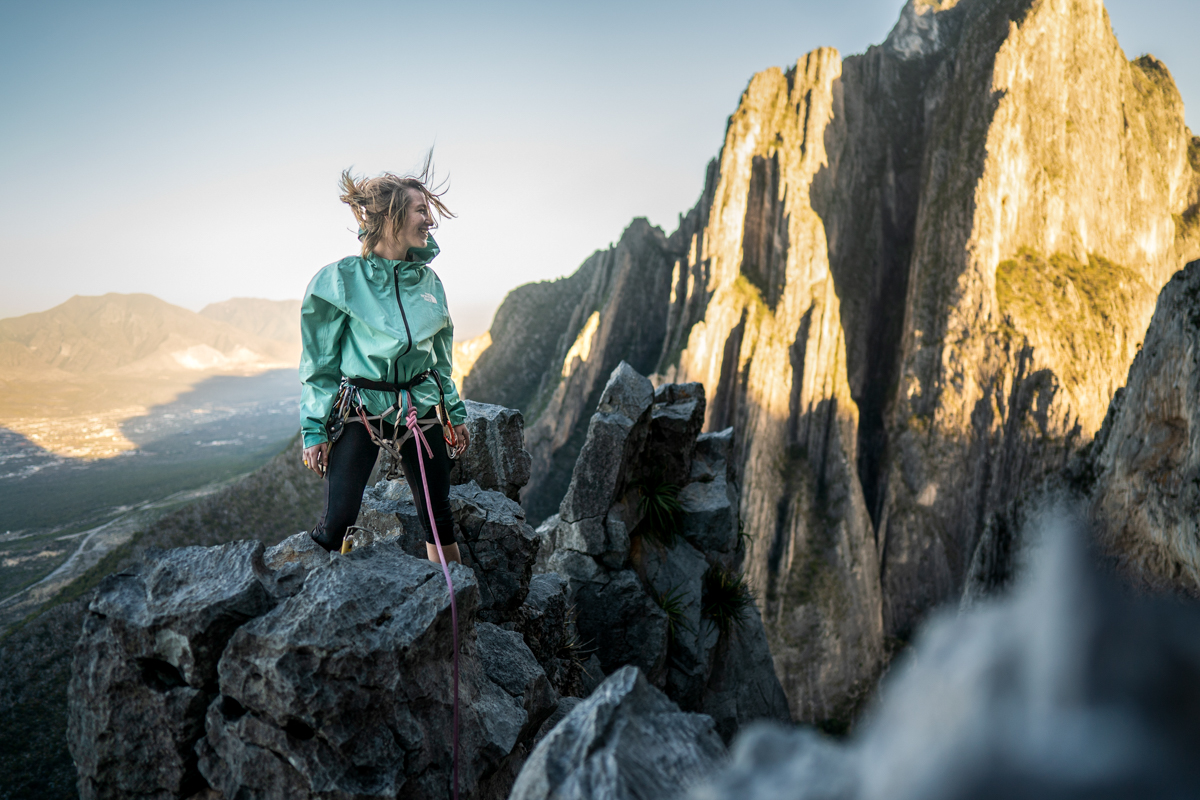
All that said, we’ve been incredibly impressed with the lifespan of most windbreakers that we’ve tested. They’re nowhere near as durable as hardshell jackets, but over the years, our collective windbreakers have endured excessive groveling in chimneys while climbing, being stuffed into packs beside crampons and sticky skins, and day in and day out use. In the end, we can recall a few durability issues, including one rip (which took place while alpine rock climbing) and one busted zipper (that Patagonia dutifully repaired). All in all, the durability of windbreakers is just one more thing to love about these small but mighty jackets.
.jpg)
Windbreakers are low-maintenance, but there are a few steps you can take to extend the life of your jacket. First, we never recommend storing a jacket stuffed in its pocket. Like a sleeping bag, your windbreaker needs to breathe and should be hung alongside your other jackets when not in use. Second, it’s best to follow the manufacturer's instructions for washing and drying, which entails machine washing with cold water and tumble drying. It may seem counterintuitive, but regular laundering is essential to maintaining the water-repellent finish. And if your DWR begins to lose its effectiveness, it’s simple to reapply with a product like Nikwax’s TX.Direct.
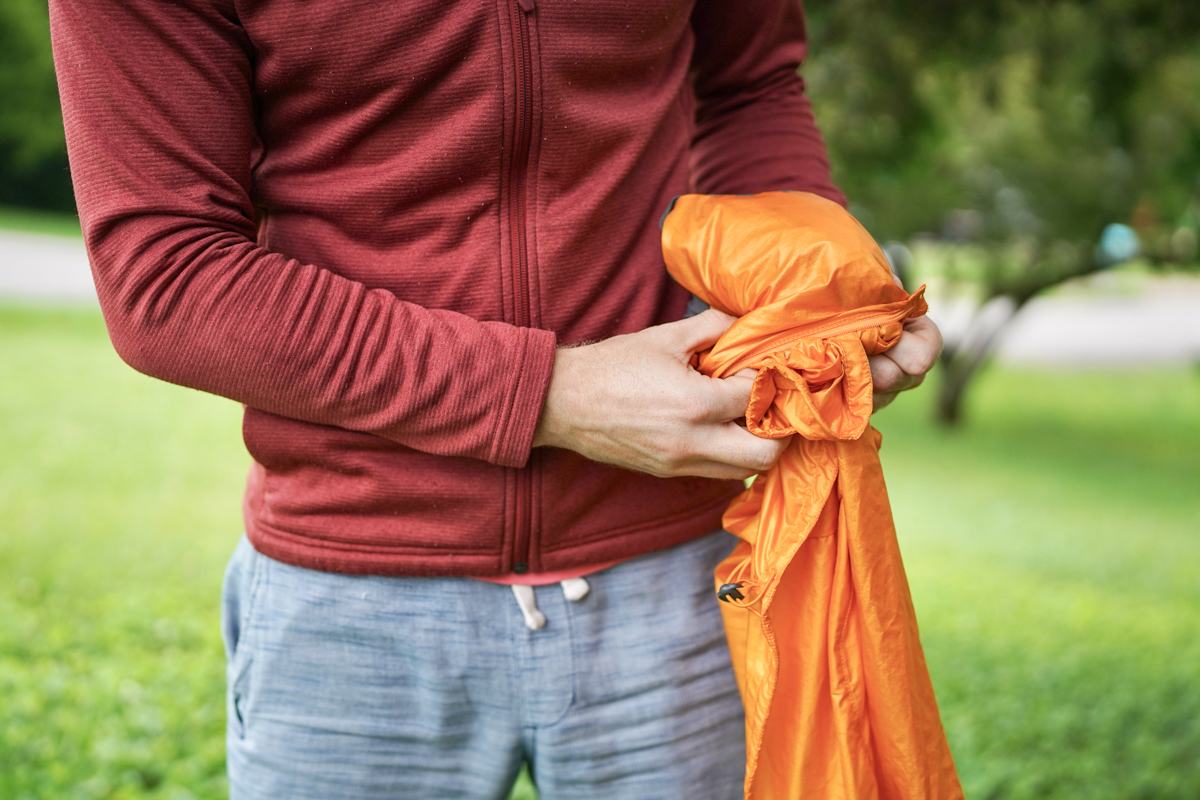
One of the primary ways manufacturers innovate is through the use of new materials. In terms of windbreaker jackets, this means utilizing recycled fabrics, adopting more responsible production practices (including the elimination of certain harmful "forever chemicals" from water-repellent finishes), and prioritizing the ethical treatment of workers. Many companies also utilize the Bluesign system for sourcing materials. Patagonia is a leading advocate in this movement (their Houdini is built with 100% recycled nylon and features a PFAS-free DWR), but windbreakers from brands like Cotopaxi and Black Diamond also incorporate many of these techniques. And while we encourage you to shop responsibly, we’re also big advocates of lowering consumption by reusing old gear. Many brands offer repair programs and used marketplaces for their offerings, and gear consignment stores can be treasure troves for like-new items.
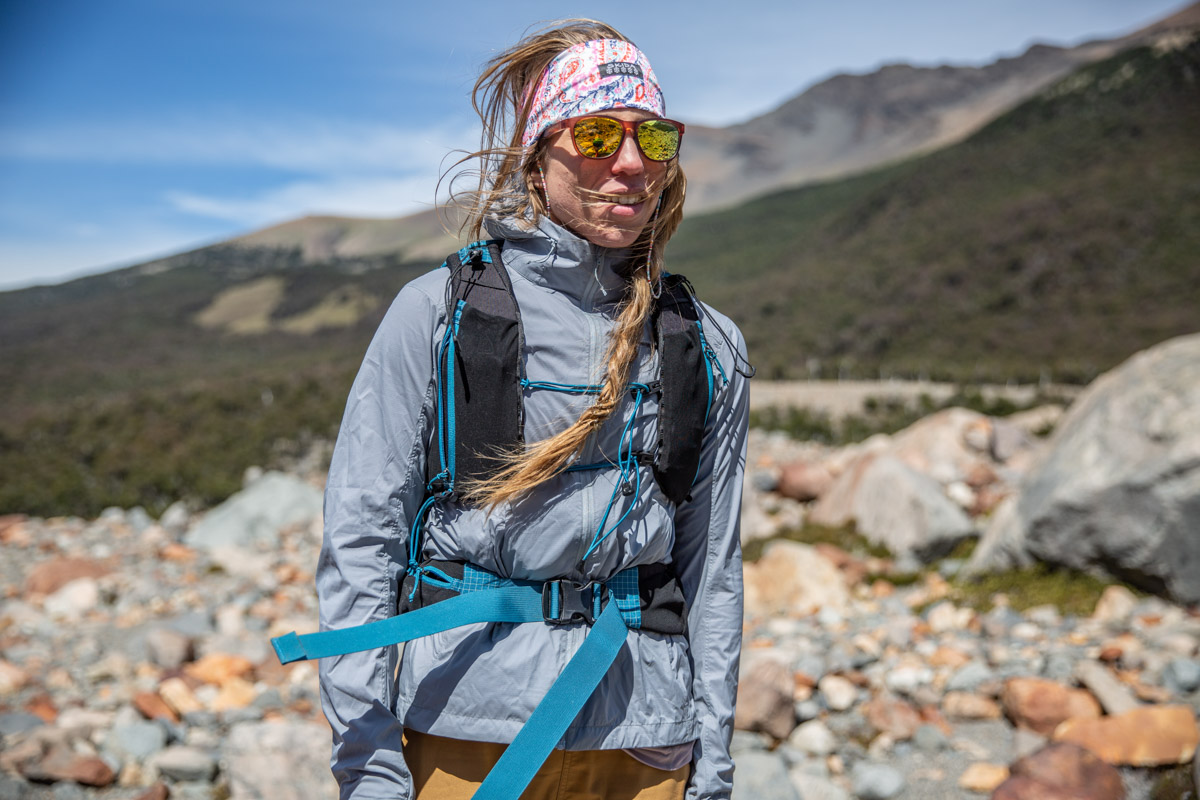
When it comes to choosing your outer shell, you have a few options, including a windbreaker, softshell, rain jacket, or hardshell. Given the increasing overlap between categories, it can be challenging to determine which style is best suited to your needs. In general, a softshell jacket is an ideal layer for active pursuits when you want a bit of wind and water protection without sacrificing breathability and freedom of movement. On the other hand, a rain jacket (or burlier hardshell) will provide full protection from the elements, but often at the expense of breathability, comfort, and mobility. For active pursuits when the conditions aren’t nasty, we think that windbreakers offer a nice alternative to both full-on waterproof jackets and softshells, and here’s why.
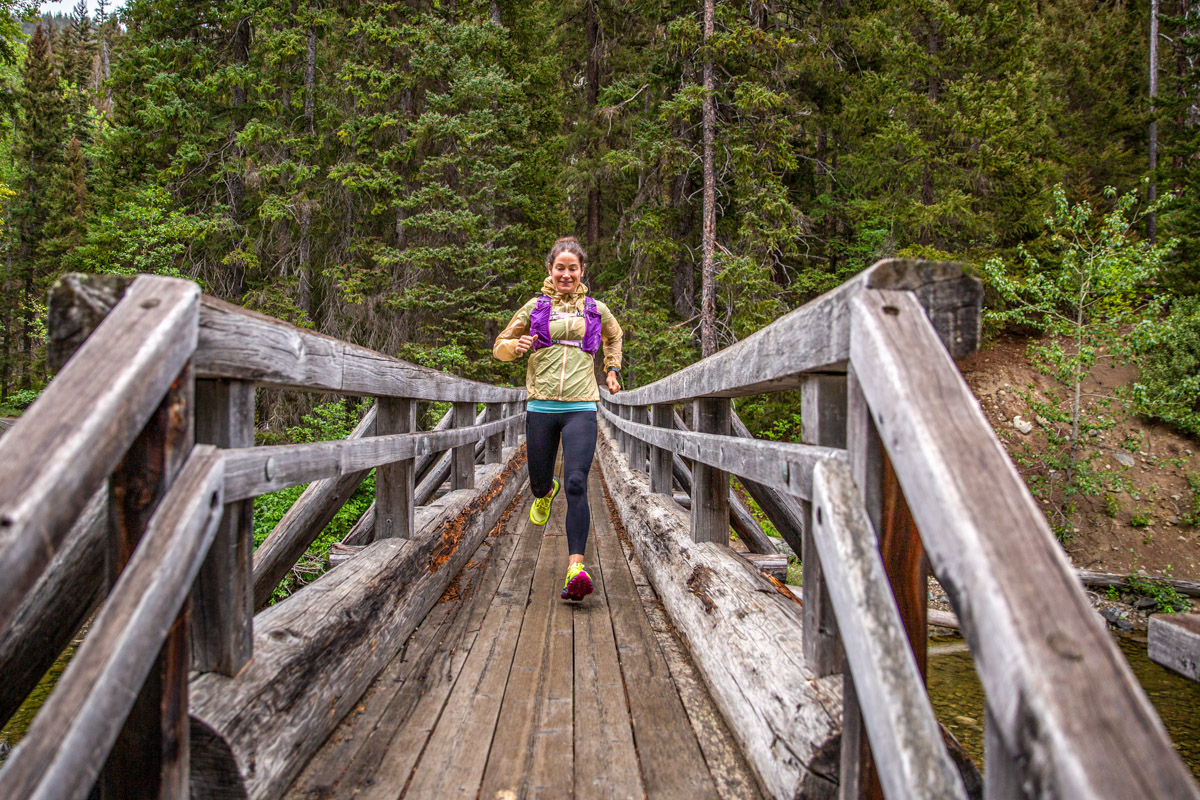
Unless you live in the rainforest of British Columbia or are particularly inclined towards sufferfests, we’re guessing that the majority of your outdoor activities take place during fair weather (at worst, a light drizzle, wet snow, or sustained wind). We’re also guessing that you’re moving during these activities, which means you’re generating body heat. You could bring a rain jacket along, but chances are it doesn’t breathe very well and will be overkill for most weather (our rain jacket spends most of its life at the bottom of our pack). On the other hand, a softshell will provide you with all the protection you need, along with great breathability and freedom of movement; however, most are heavy and bulky.
Enter the windbreaker jacket. Windbreakers are lightweight, packable, and stay stuffed away until you need them. They’re capable of cutting a serious wind (most of the time, this will be enough to keep you warm), and most keep out a light rain. Many modern windbreakers are also breathable, and we’ve begun to see more and more with built-in stretch for improved freedom of movement. If you’re keeping score, this means you get all the benefits of a softshell jacket in a more streamlined package. In the end, we’re not shy in our opinion that a high-performance windbreaker is the best outer layer for the majority of active pursuits.
Back to Our Top Windbreaker Picks Back to Our Windbreaker Comparison Table


79e2.jpg)
ea49.jpg)
_00c07.jpg)
7208.jpg)
1ce6.jpg)