
.jpg)
.jpg)
Photo Credit
Camp shoes come in all shapes and sizes, from comfy slippers for hanging around the campground or cabin to ultralight sandals that allow your feet to splay and breathe after long days outside. Recovery shoes are also gaining popularity among endurance athletes looking to maximize comfort after big efforts. No matter the style, all camp shoes share a few basic characteristics, including easy on and off, outdoor-ready constructions, and enough support and grip to cover at least short distances. After extensive testing on adventures near and far—from camping and backpacking trips in the North Cascades to après ski at resorts throughout the Mountain West—we’ve hand-picked our 12 favorites for 2026, with the classic The North Face ThermoBall Traction Mules V landing in our top spot. For more background information, see our comparison table and buying advice below the picks, along with details about our testing process.
Editor's note: We updated this guide on January 9, 2026, to refine our list of favorite camp shoes down to a carefully chosen few (you can see which ones we've tested and dismissed below). We also added two new shoes to the list: the Xero Pagosa Fireside Slippers and the Teva Original Universal Sandals. Lastly, we ensured all information was up to date at the time of publication and updated the formatting to include more information on the women's versions.
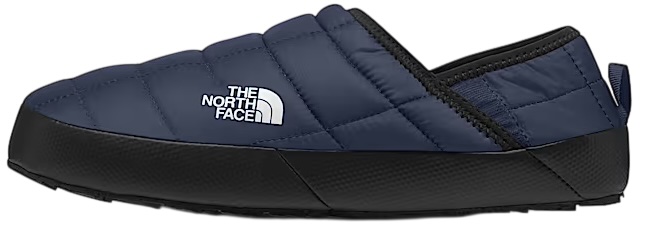
Category: Slipper
Closure: None
Weight per pair: 1 lb. 0.3 oz. (men's), 14.2 oz. (women's)
What we like: Plush interior, great traction, and very easy to get on and off.
What we don’t: Runs narrow; upper is more prone to tears and snags than some alternatives.
Camp shoes come in many forms, with outdoor slippers being our go-to for camping, road trips, or simply lounging around the house. The North Face’s ThermoBall Traction Mules V are a standout in this category, combining excellent comfort and traction (as true to their name) in a reasonably priced package. The fleece lining along the interior is incredibly soft, the synthetic ThermoBall insulation mimics down’s plush warmth without immediately wetting out when exposed to moisture, and the outsole has ample grip for short outings from camp that don’t warrant donning your hiking boots. We also love the collapsible heel—great for instances when you don’t need your foot locked in, which is, realistically, most of the time—and the nice selection of bright colorways and fun patterns.
There are a few things to keep in mind with the ThermoBall Traction Mules V. The first is that the fit runs narrow: Our average-footed tester found them to be comfortably snug, but many users report needing to go up at least a full size. The upper also has a thinner, less durable upper that's more susceptible to snags and tears than some alternatives, including Teva’s popular ReEmber Slip-Ons, shown below. Finally, the ThermoBall’s fleece lining will pack out over time, although this doesn't have a significant impact on comfort. As long as you’re able to dial in the right size, these TNF slippers offer a hard-to-beat combination of comfort, grip, and price. They’re also available in a higher-cut bootie version for those who prefer a bit more coverage.
See the Men's TNF ThermoBall Traction Mules See the Women's TNF ThermoBall Traction Mules
.jpg)
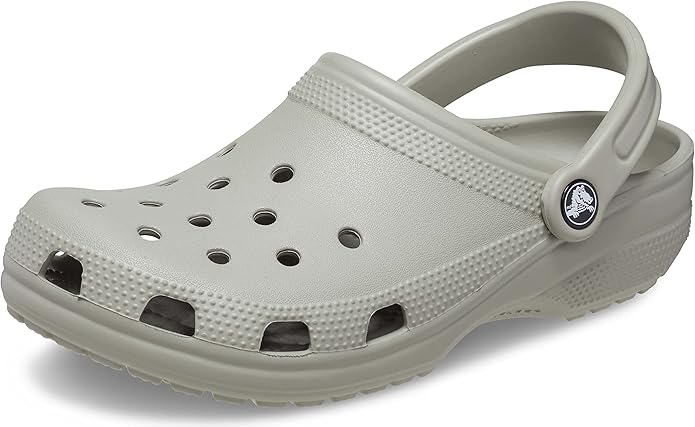
Category: Clog
Closure: None
Weight per pair: 10.7 oz.
What we like: Lightweight, very versatile, and offered in a ton of fun colorways.
What we don’t: Polarizing looks, lacking in arch support, and require some breaking in.
When Crocs first hit the market in the early 2000s, they were met with a mix of curiosity and jeer. But despite the initial skepticism, these clogs have skyrocketed to popularity over the years, and perhaps no demographic has embraced them as wholeheartedly as the outdoor community. Price and versatility are the biggest selling points: These kicks are a bargain, are quick to slip on and off, and can be worn just about anywhere—we've seen them at campgrounds, on the water, in the grocery store, and even at the climbing crag. The all-foam build is another highlight, giving the shoes a very light and airy feel, and the heel strap is easy to deploy for added security. Due to the shoes’ widespread popularity, many people even customize their Crocs with charms, which can be threaded through any of the holes in the upper. Tack on availability in tons of fun colorways, and it’s no wonder why Crocs have gained a cult-like following over the years.
All that said, Crocs aren’t for everyone. While they’re a pretty common sight outdoors these days, the Classic Clogs have a decidedly polarizing look and feel. Out of the box, they're a bit stiff and tight, but they wear in quickly and are wide enough to accommodate high-volume feet or thick socks. That said, the lack of arch and heel support is notable—those with high arches may want to look elsewhere. Additionally, while the holes in the upper do a decent job promoting airflow, the shoes can still grow clammy in warm temperatures, which is a recipe for blisters and smelly feet. Still, we keep coming back to value: the Classic Clogs are budget-friendly, look the part both outdoors and around town, and are comfortable to wear on short outings from camp or when running errands.
See the Crocs Classic Clog
.jpg)
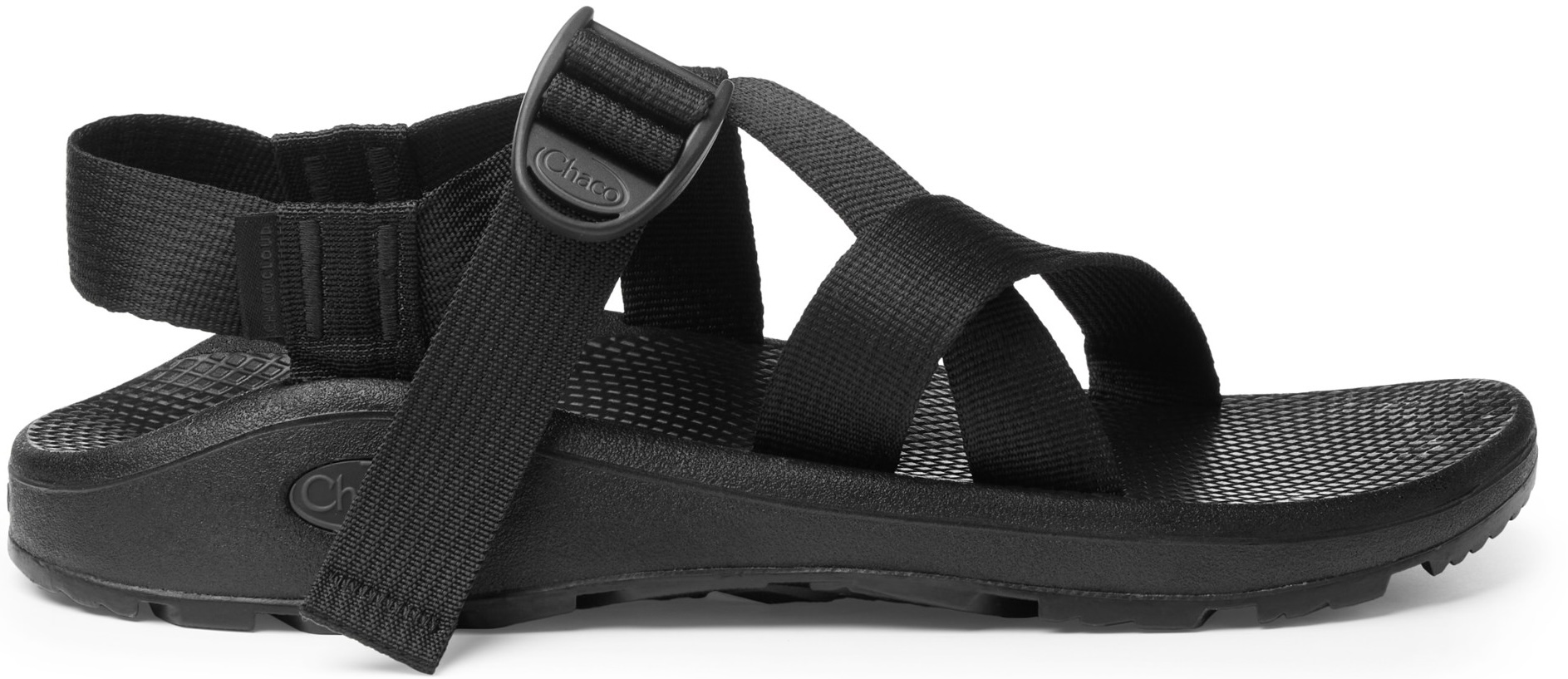
Category: Sandal
Closure: Strap (buckle)
Weight per pair: 1 lb. 14.1 oz.
What we like: Excellent durability, support, and grip over a wide variety of surfaces.
What we don’t: The heaviest option on our list and bulkier than many designs here.
Chacos are legendary among outdoor-goers of all kinds, from hikers and backpackers to climbers and paddlers. From their extensive selection, we’re big fans of the Z/Cloud in particular—it's been our favorite hiking sandal for many years running. As we’ve come to expect from the brand, the Z/Cloud features a comfortable and well-cushioned midsole, deep lugs for digging into softer surfaces like mud and sand, and thick straps that effectively secure the heel and forefoot. We prefer the open version without a toe loop for ease of on/off and pairing with socks, but a toe-loop version is also available (currently only for women)—the Z/Cloud 2—which adds control and stability. And from a durability perspective, Chacos consistently outlast most other shoes in our closet—we’ve had pairs withstand many years of consistent use before needing to be resoled or replaced.
The Chaco Z/Cloud’s biggest downsides are its heft and bulk. At nearly 2 pounds for the pair, these sandals are heavier than many lightweight hiking shoes, so they aren't our first choice for strapping to the outside of a pack (although we’ve certainly seen it done). In other words, if you’re looking for a pair of shoes to wear while hiking into the backcountry and then use at camp, we recommend checking out an alternative like the Luna Leadville Pacer below, which is considerably lighter, albeit a step down in support and structure. A final downside to the Z/Cloud is that the strap system is somewhat finicky and difficult to fine-tune. However, once you achieve a good fit, you shouldn’t need to adjust it again. All in all, we can’t sing enough praises about Chacos and consider them one of the best daily drivers in the summer, whether we’re approaching a sport climbing crag or enjoying a rest day by the river.
See the Men's Chaco Z/Cloud See the Women's Chaco Z/Cloud
.jpg)
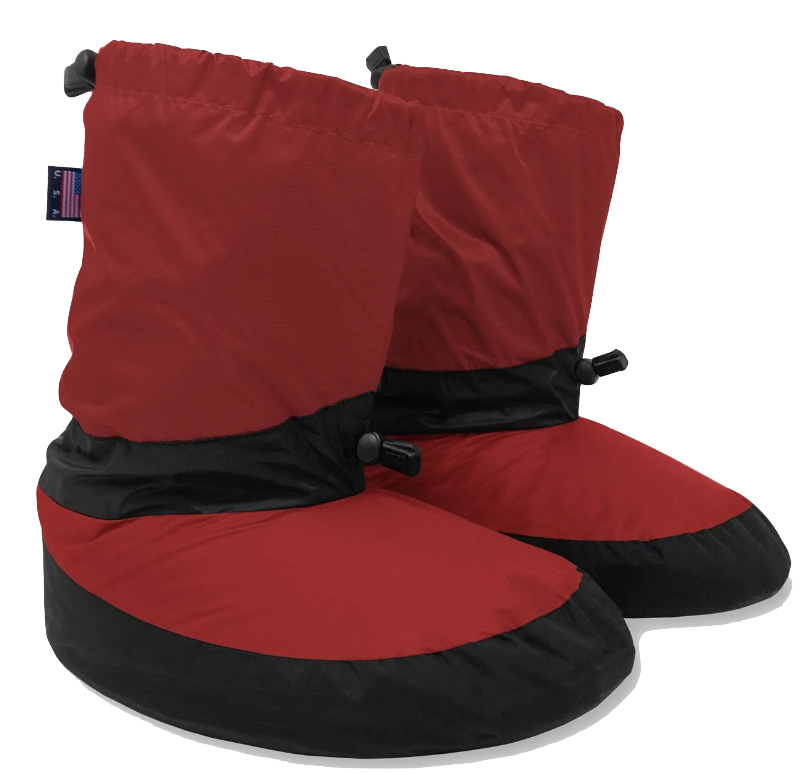 Category: Bootie
Closure: Drawcords (ankle and cuff)
Weight per pair: 9.3 oz.
What we like: Lofty down insulation and weather-resistant shell are great for cold-weather use.
What we don’t: Pricey and won’t replace a true winter boot when in the snow.
Feathered Friends is a down specialist with an extensive lineup of lofty sleeping bags and cold-weather-ready jackets. Unsurprisingly, their Down Booties are a favorite among winter adventurers, whether you’re spending the night in a tent or cozied up in a backcountry hut. In addition to providing better coverage than slippers, the Down Booties feature a more weather-resistant outer shell for fending off the elements, a fully waterproof sole, and drawcords at both the ankle and cuff for sealing out cold drafts. And when it’s time to hit the hay, simply ditch the outer shell and crawl inside your sleeping bag wearing the removable liner, which is packed with 800-fill-power goose down that’s remarkably warm for its weight.
It’s important not to mistake the Feathered Friends Down Booties for a true winter boot. While serviceable for waiting out storms in a tent or cozying up by the fire on a backcountry hut trip, the Down Booties lack the traction and security needed to move around efficiently in the snow. The inner sock slides freely within the outer shell, which can lead to instability when navigating uneven ground, and there’s minimal insulation between the bottom of your foot and the snow. But if you struggle with cold feet on winter camping trips and don’t plan to venture outside for more than the occasional bathroom break, the Down Booties could be just the ticket. For a less expensive option that uses slightly lower-quality (700-fill) down, consider Exped’s Down Socks, which forgo the waterproof sole and separate shell (they’re intended for use inside your tent, not around camp).
See the Feathered Friends Down Booties
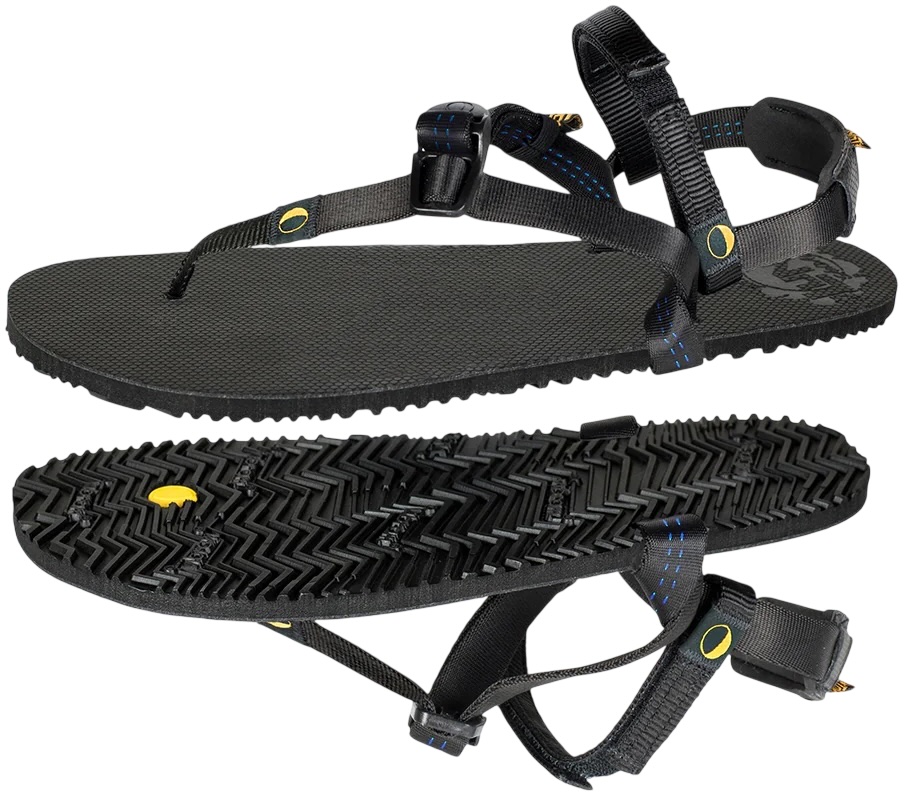
Category: Sandal
Closure: Strap (buckle & Velcro)
Weight per pair: 8.9 oz.
What we like: Extremely light, compact, and capable for trips into the backcountry.
What we don’t: Limited support and structure; toe thong isn't compatible with regular socks.
Backpackers focused on keeping weight to a minimum may balk at bringing along a pair of camp shoes, but we think a feathery and foldable sandal like Luna’s Leadville Pacer is well worth it on most trips. At just 8.9 ounces for the pair, with a very low profile and flexible build, the Leadville Pacer takes up minimal space in a pack and provides your feet with much-needed relief after long days on the trail. In fact, despite their minimalist appearance, these sandals are far more comfortable than expected thanks to Luna’s well-executed harness system and moveable buckles that make it easy to fine-tune the fit. And should your feet need a break from your hiking shoes even sooner, the Vibram outsole offers ample grip on most terrain—from slick creek crossings to boulder hopping (just be careful to avoid scraping your exposed toes).
Luna’s Leadville Pacer is particularly popular among barefoot runners, which speaks volumes for its overall capability and on-trail performance. That said, there’s no getting around the fact that these are minimalist sandals, and as such, they noticeably lack arch support compared to alternatives like Chaco’s Z/Cloud above. They’re also hard to pair with socks due to the toe thong, although you could always opt for a pair of Injinjis. Alternatively, Luna offers a unique solution in their Tabu 2.0—a split-toe, water-resistant bootie for added coverage and protection. Regardless of how you choose to wear them, the Leadville Pacer sandals are a great solution for weight- and space-conscious backpackers who want something capable enough to take on hiking duties in a pinch. For around $ 2 more per pair, Luna’s Mono Winged Edition is another staff favorite, featuring a beefier outsole and additional cushioning underfoot.
See the Luna Sandals Leadville Pacer
.jpg)
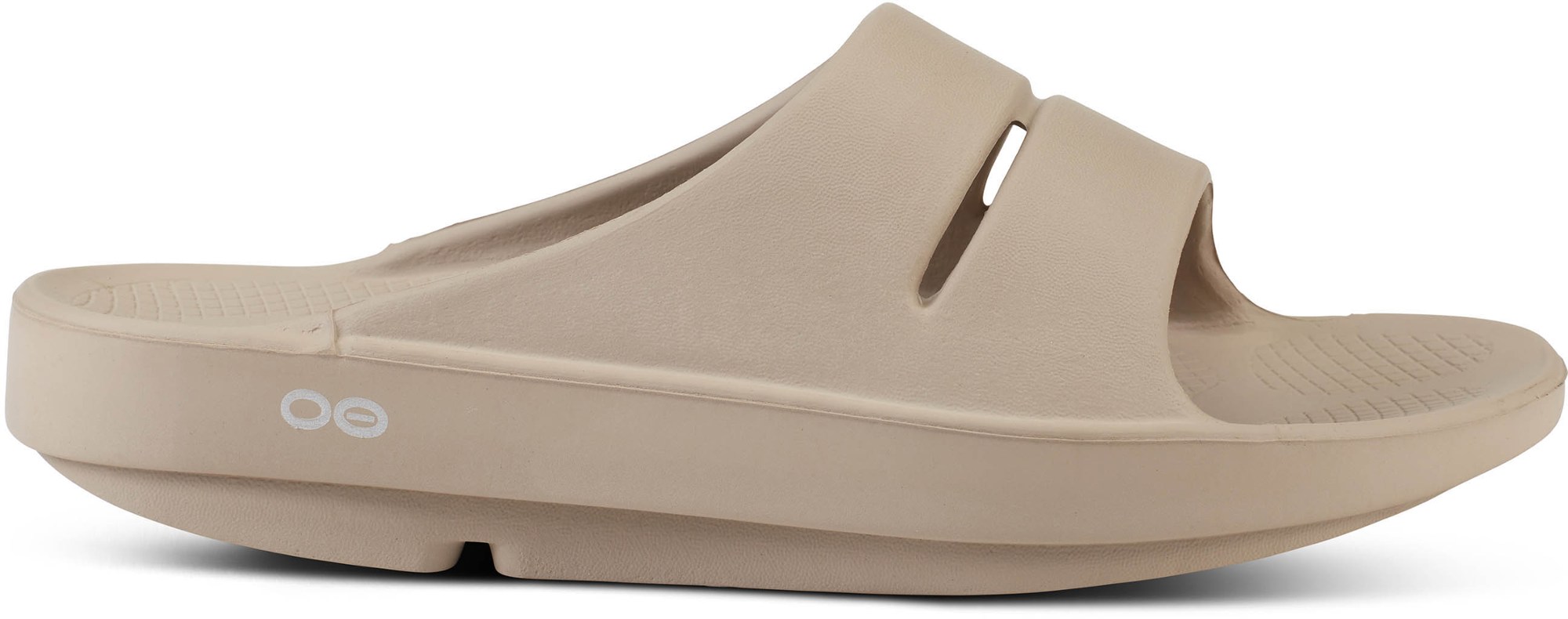 Category: Recovery
Closure: None
Weight per pair: 8.0 oz.
What we like: Thick cushioning is great for allowing your feet to recover after intense efforts.
What we don’t: Lacking in versatility and stability.
As ultra-distance running and other endurance sports have gained popularity in recent years, a new category of footwear has emerged: recovery shoes. Designed to give your feet a break after long efforts, these kicks prioritize comfort above all else with generous padding and support. Our favorite recovery design this year is Oofos’ Ooahh Slide, which boasts thick, springy cushioning in a lightweight and easy-wearing package. Slipping our feet into the Ooahh for the first time, we were struck by the shoes’ cushy and forgiving feel, which was a very welcome reprieve for our tired feet that had just endured several hours crammed inside rock climbing shoes. We’ve since turned to these slides after long runs and when dealing with issues like bone spurs and plantar fasciitis. Each time, they’ve provided a noticeable boost in comfort compared to the non-recovery slippers and sandals in our closet.
However, while we love recovery shoes for giving tired and sore feet a break, they’re not ideal for daily use. First, while the Ooahh Slide’s rockered profile helps promote a smooth stride, it also results in a somewhat tippy and off-balance experience, exacerbated by the thick cushioning. Second, while we found the fit to be spot-on in our usual size, some users report the shoes being too narrow. Oofos only offers the slides in full sizes, so we highly recommend trying them on before you buy to ensure the shape will work for you. But if you can nail the fit and don’t mind the inherent trade-offs in stability, the Ooahh is a very comfortable place for your feet after long runs, multi-pitch climbs, and other foot-intensive efforts. And if you prefer to have your big toe separated from the rest of your digits, Oofos’ Ooriginal sandals are largely identical apart from the Y-shaped strap.
See the Oofos Ooahh Slide
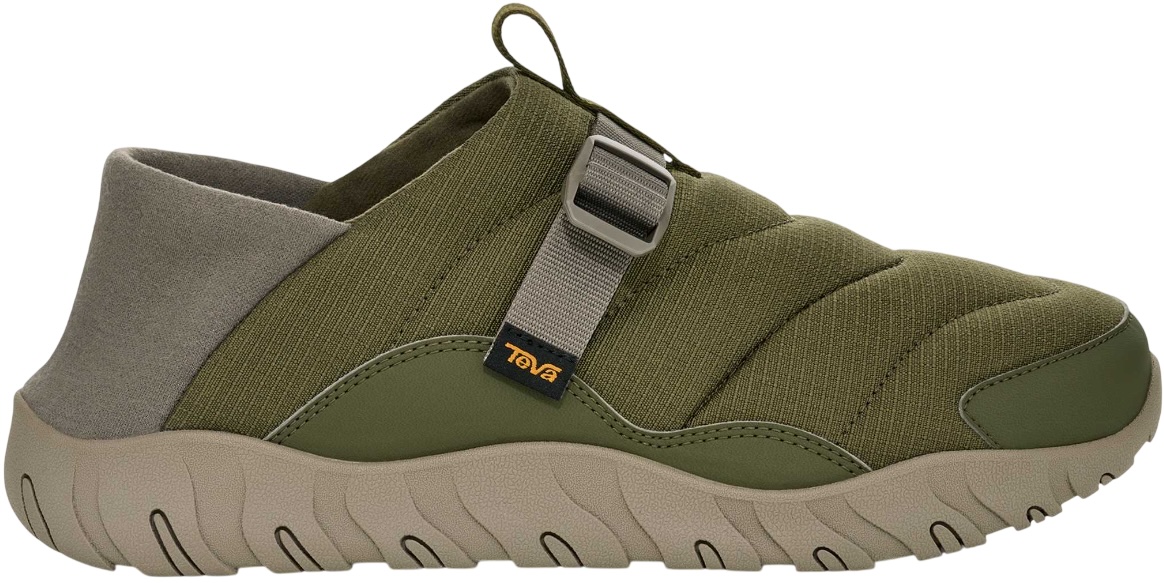
Category: Slipper
Closure: Strap (buckle)
Weight per pair: 1 lb. 13.4 oz. (men's), 1 lb. 5.2 oz. (women's)
What we like: Fun styling, comfortable to wear with or without socks, and built to last.
What we don’t: Not the plushest or grippiest option.
Teva’s ReEmber slippers are one of the most ubiquitous camp slippers on the market, and for good reason. While less plush inside than the TNF Traction Mules above, the ReEmber Camp Slip-Ons are comfortable to wear with or without socks (the TNF’s fleece lining can lead to sweaty feet), extremely easy to get on and off, and very durable, thanks to hardwearing materials throughout. We had very few issues with the durability of the previous version, which we wore for over three years with nothing more than fraying along the heel to show for it. The latest version feels even more durable, especially along the heel. Tack on thoughtful details like an adjustable strap, beefy toe cap, and nice selection of colors (including both solid and multi-toned options), and it’s clear why the ReEmber—in all its iterations—has garnered such a loyal following over the years, many of our staff included.
What keeps the Teva ReEmber from dethroning the TNF Traction Mules as our top pick? In addition to being slightly heavier, the Teva is pricier and offers a step down in traction. The hard rubber outsole isn’t as supple as the Traction Mule’s, and doesn’t provide as great of grip on surfaces like gravel or slush. Teva offers the shoes in a Terrain version that features more aggressive lugs, but it lacks the standard model’s collapsible heel and adjustable strap and costs a bit more. The ReEmber is also bulky-feeling with the mix of materials and thick toe cap, although the advantages in protection and durability are notable. Finally, the polyester interior isn’t as plush as the Traction Mules’ soft fleece lining, but we appreciate that it holds up well over time (the TNF’s fleece is more susceptible to wearing down and packing out with frequent use). In the end, we think the Traction Mules strike a better balance of priorities, but the ReEmber remains a staple in our wardrobe for everything from after-work bouldering sessions to running errands around town.
See the Men's Teva ReEmber Camp Slip-Ons See the Women's Teva ReEmber Camp Slip-Ons
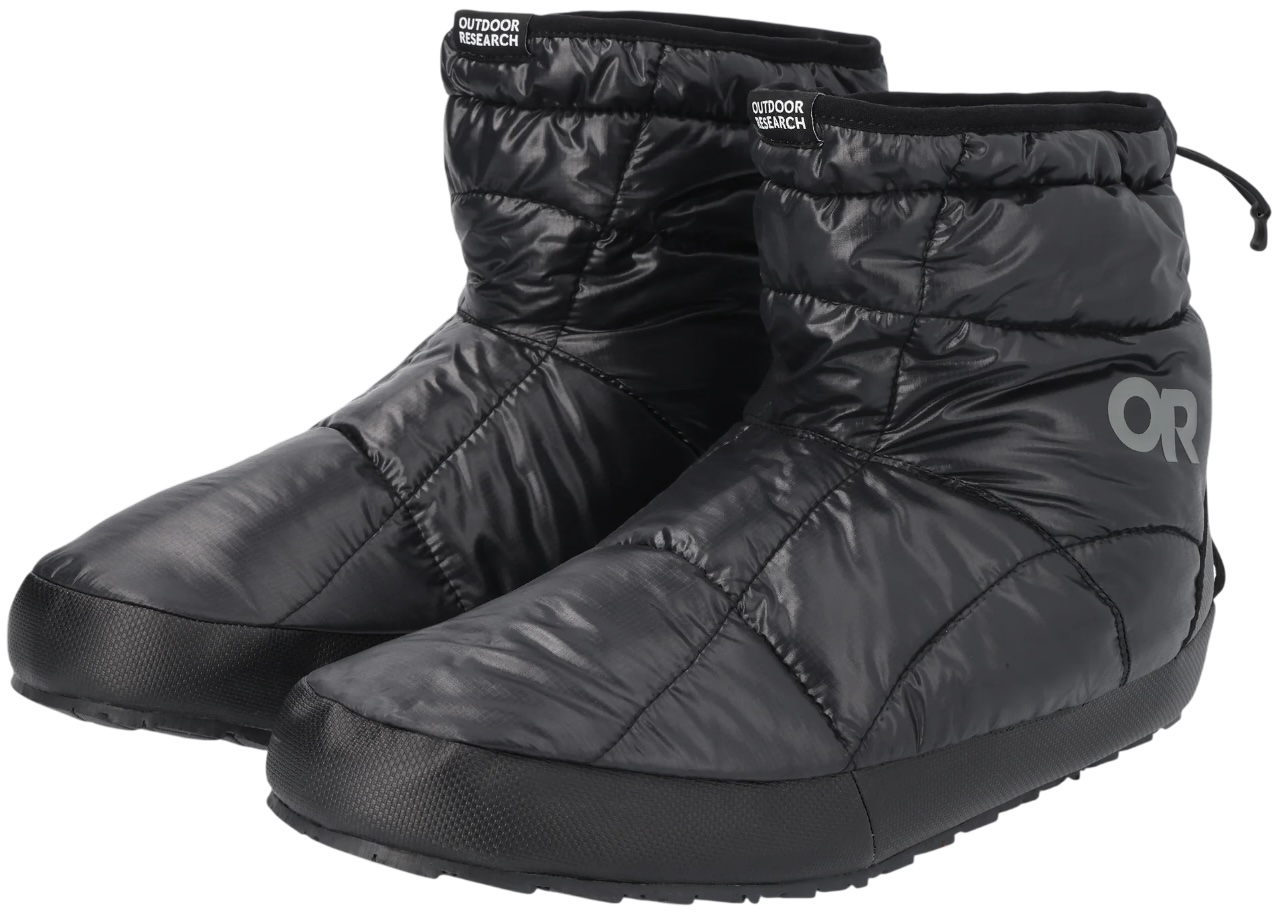
Category: Bootie
Closure: Drawcord (cuff)
Weight per pair: 1 lb. 3.7 oz. (men's), 1 lb. 0.1 oz. (women's)
What we like: Synthetic insulation holds up better to wet conditions and is less expensive than down.
What we don’t: Not as warm or durable.
Outdoor Research’s Tundra Trax Booties are another one of our winter favorites. However, unlike the Feathered Friends Down Booties above, OR opted for synthetic insulation rather than down, which saves you a bit of cash while improving wet-weather performance (unlike down, synthetic fill will continue to insulate when wet). You also get a handy drawcord for cinching the cuff opening, a moisture-resistant shell, and a tricot lining that makes it easy to slip your feet inside with or without socks. Added up, the Tundra Trax is a great cold-weather companion whether you’re lounging around the cabin or enjoying a post-ski brew at the lodge.
It’s worth noting that we also tested the Tundra Trax Slip-On Booties, which will save you some cash and weight compared to the taller model here. However, while very similar in appearance to The North Face’s Traction Mules above, the OR slip-ons offered noticeably less security—the slippery interior and short, overlapping heel design caused our foot to unexpectedly pop out of the shoes on several occasions. We also got a small tear in the upper after just a couple of uses, which isn’t a good sign for long-term durability. The higher-riding booties eliminate the security issues with their over-the-ankle cut but share the same thin fabric, and they're notably less warm than the down-insulated Feathered Friends booties above. On the flip side, the OR design is less expensive and offers better grip and protection (including helpful PU mud guards at the back), earning it a spot on our list.
See the Men's OR Tundra Trax Booties See the Women's OR Tundra Trax Booties
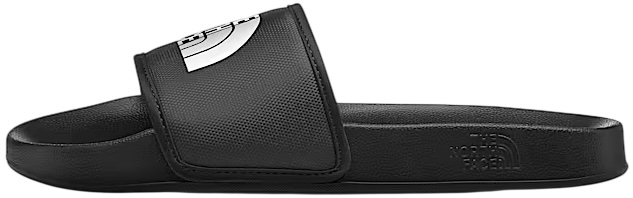
Category: Sandal
Closure: None
Weight per pair: 8.7 oz. (men's), 7.5 oz. (women's)
What we like: A basic but practical slide that’s light and easy to get on and off.
What we don’t: Apart from value and convenience, they don’t stand out in any major way.
If price and simplicity are high on your priority list, it’s hard to go wrong with The North Face's Base Camp Slides III. These kicks are the cheapest option on this list and will get the job done while you’re whipping up dinner at camp or taking the dog for a quick walk around the block. They’re decidedly basic, with a closure-free, slip-on design and an all-foam construction, but they’re incredibly lightweight, decently comfortable, and essentially effortless to put on and take off. Even if they only last you a season or two, the Base Camp Slides are a pretty solid value and should outlast the sub-$20, off-brand flip-flops you’ll find on Amazon.
Apart from price and convenience, however, we have limited praise for the TNF slides. The sole is very basic and not grippy enough for true outdoor use—it’s fine on packed surfaces and around the house, but underbuilt for navigating any sort of more complicated terrain. What’s more, we wish TNF had equipped the strap with Velcro for better security, and we’re not big fans of the brand’s logo positioned front and center. However, if the primary goal is to keep costs low and you don’t care much about appearance or performance, the Base Camp Slides are a budget-friendly option to throw in a duffel bag or the back of your vehicle for weekend camping trips.
See the Men's TNF Base Camp Slides III See the Women's TNF Base Camp Slides III
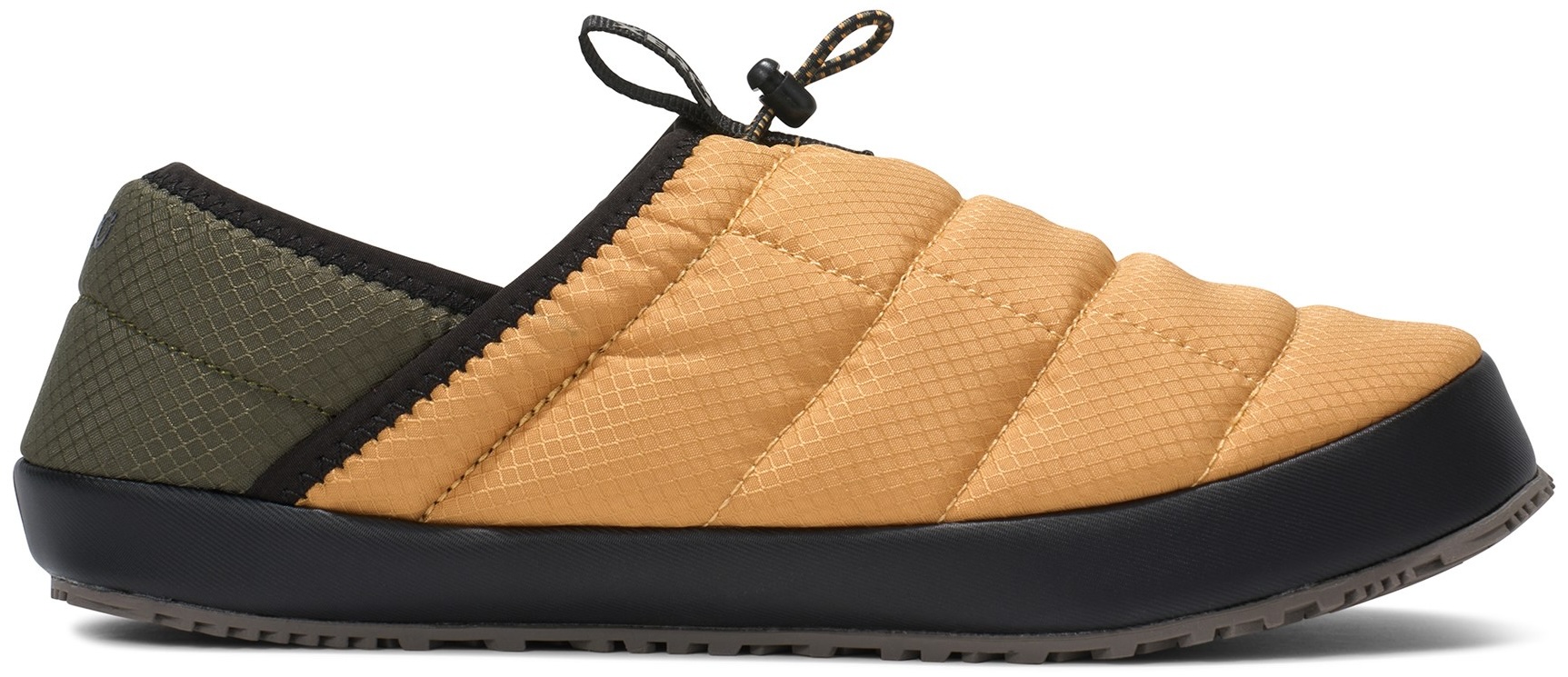
Category: Slipper
Closure: Drawcord (cuff)
Weight per pair: 4.8 oz.
What we like: The lightest design on our list and extremely packable.
What we don’t: Not a ton of underfoot cushioning.
If you’re looking to keep weight low but don’t want an open-toe design, Xero’s Pagosa Fireside Slipper fits the bill nicely. At just 4.8 ounces for the pair, these slippers are the lightest shoes on our list, even undercutting low-profile sandals like the Luna Leadville Pacer above. Importantly, Xero managed to pull this off while retaining full foot coverage and a pretty well-rounded feature set, including a cozy fleece interior, 200 grams of synthetic insulation, and a grippy rubber outsole. The shoe is also impressively packable and folds down to a small package that slides easily into a backpack or suitcase. The heel can be worn up or down, the bungee drawcord is effective and easy to use, and, most importantly, the Pagosa is really comfortable.
That said, in an effort to keep the weight low and the design packable, the Pagosa is notably thin underfoot. This hasn’t been a dealbreaker for us so far, but you’ll want to be careful treading over sharp rocks at camp. They’re also one of the more expensive slippers here, but in our opinion, the excellent build quality and durability make them worth the extra cash. There are other budget lightweight options on the market, like Exped’s Camp Slipper, but we expect the Pagosas to hold up better in the long term, especially if you plan on regularly stuffing them into your backpack, and the Pagosa has a much more robust tread, too. So long as they’re within your budget, the Pagosa is a real winner, and it's become one of our go-tos for everything from at-home relaxing to getting around at camp.
See the Men's Xero Pagosa Fireside Slipper See the Women's Xero Pagosa Fireside Slipper
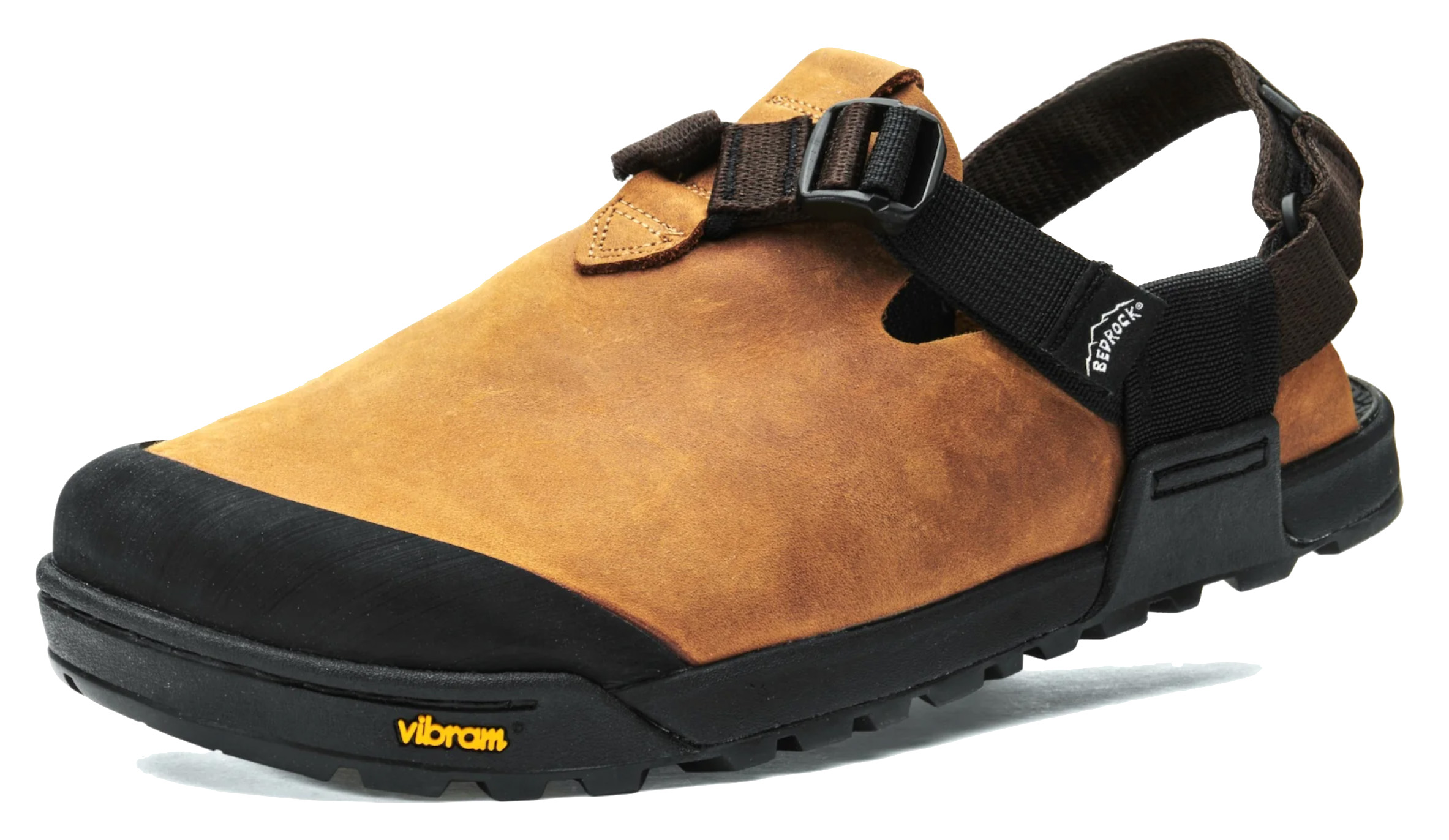 Category: Clog
Closure: Strap (buckle)
Weight per pair: 1 lb. 9.0 oz.
What we like: Classic mountain aesthetic, excellent grip, and premium leather upper.
What we don’t: Expensive, bulky, and relatively stiff out of the box.
Bedrock is well known for their hiking sandals, but we really like the Mountain Clog as a durable and comfortable camp shoe. Unlike the basic foam of the Croc Classic above, the Mountain Clog has a premium nubuck leather construction, offering multiple benefits, including excellent durability and a very supple feel. They do take some time to break in, but that’s not uncommon among leather designs, and the shoes have conformed nicely to our feet over time. Bedrock nailed a similar level of quality with the rest of the design, including a grippy Vibram outsole that offers class-leading traction, a molded footbed that provides good all-day comfort and support, and a beefy rubber toe cap that’s reminiscent of what you might find on an approach shoe. We also like the heel strap, which features adjustment points both over the foot and at the back for fine-tuning the fit. Finally, while entirely subjective, we love the classy aesthetic of the Mountain Clog, which wears better around town than most of the other designs here.
While quality is a big selling point of the Mountain Clog, it doesn’t come cheap—it's the priciest option on our list by a decent margin. Bedrock does sell the design in cheaper suede and synthetic suede variations, the latter of which features a mesh-lined upper for added breathability; however, these versions aren't significantly cheaper, and we prefer the high-end look and feel of the nubuck model. All three styles are on the heavier and bulkier end, although the advantages in support, protection, and coverage will be worth those trade-offs for some, whether you’re commuting by bike, going on a short hike, or spending a chilly evening at camp. Note: The Mountain Clog is only available in full sizes, so consider your sock choice when making a purchase.
See the Bedrock Sandals Mountain Clog
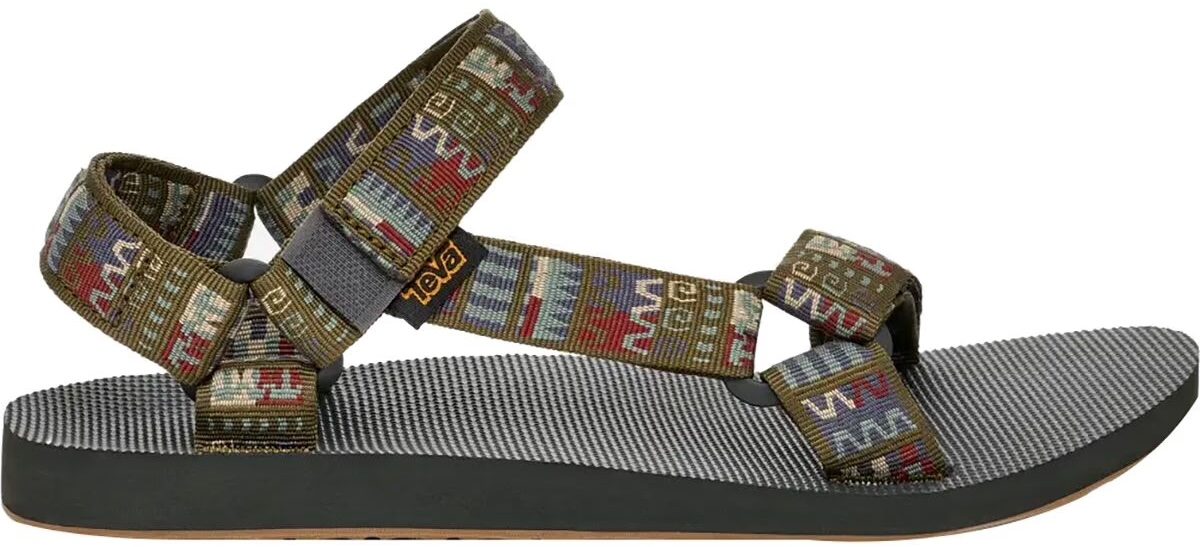
Category: Sandal
Closure: Strap (Velcro)
Weight per pair: 12.8 oz. (men's), 10.8 oz. (women's)
What we like: A stylish and functional sandal at a great price.
What we don’t: Sole isn’t the most durable or supportive.
Teva’s Original Universal Sandals are a common sight at campgrounds, beaches, and mellow trails, and there's a reason they're so popular. The main appeal might be their price (if not their granola styling), but they don’t make too many concessions in the effort to stay economical. To start, the thick EVA midsole is both lightweight and provides ample cushioning between your foot and sharp rocks. The Velcro strap system features three points of adjustability, making it easy to dial in the perfect fit. Plus, the lack of a toe strap means these are easy to wear over thick socks. They also come in a variety of colors, ranging from classy earth tones to fun, multicolor blocking and pattern designs. This sandal isn’t the most engineered option, but we like it for its simplicity: It's everything you need and nothing you don’t to stay comfortable and mobile at camp.
To be fair, you shouldn’t expect the utmost in performance from the Teva Originals. The rubber outsole is suitable for walking around camp and short, mellow hikes, but it’s not grippy enough to double as a dedicated hiking sandal. The EVA midsole is also more prone to wear and tear than the durable rubber of the Chaco and Luna options above, and you’ll likely need to replace the sandals after a few seasons of regular use. The arch support is fairly minimal as well, and it tends to pack out over time. But we can’t really complain—the Teva offers a great blend of casual and outdoor appeal, and comes in at a very competitive price tag, easily earning it a place among our favorites.
See the Men's Teva Original Universal Sandal See Women's Teva Original Universal Sandal
The camp shoe market is vast, and to keep our list of favorites up to date, we continually test new and intriguing designs. That said, not every shoe we test meets our standards for comfort, build quality, and price. We understand that you may be curious about the shoes we've tested and decided not to include in our list, along with the reasons for doing so.
We opted to remove the Bedrock Sandals Cairn Evo sandal from this list in this update, but not because it is a bad shoe. In fact, it's a durable design that performs well both on the trail and at camp. However, for the price, we feel like the Chaco Z/Cloud and Teva Original Universal Sandals boast a better value as dedicated camp sandals. The Cairn Evo also isn't as lightweight or packable as the Luna Leadville Sandals. That said, the Cairn is a classic and remains one of our favorite hiking sandals.
We removed the Keen Howser III Slide because it lags behind the Teva ReEmber Camp Slip-On in terms of performance and comfort, despite costing more. It's very comfortable, but has a dated look and too-big fit. We also tested the Keen Whyser Slip-On and opted not to include it due to a heavier build, a small and narrow fit, and a bit of a tippy feel from the overbuilt sole.
The Hoka Ora Recovery Slide didn't make the cut this update because the Oofos Ooahh Slide performed better in testing. The Hokas felt tippier and less comfortable than the Ooahh Slide.
We decided to replace the Exped Camp Slipper with Xero's Pagosa Fireside in this update. Although the Pagosa Fireside costs more, it has proven to be much more durable in testing and is made with higher-quality materials, while still keeping weight low.
The Merrell Hut Moc 2 was removed because we found it to be neither the most durable (the foam outsole is prone to wear and tear) nor the most comfortable underfoot. And the Lems Drifter was retired due to it not being a good fit, reports of fit and comfort issues, and the shape of the sides allowing more dirt and debris to sneak inside.
Lastly, we decided to remove the Birkenstock Arizona Essentials EVA sandal. While they do break in over time, we found them fairly stiff and uncomfortable out of the box, and the lack of flexibility makes them tough to pack. Unlike most sandals, they lack a heel strap, which makes them feel insecure when walking on tricky terrain. For a slight price increase, the Teva Original Universal Sandals offer improved all-around performance and comfort.
| Camp Shoe (Men's/Women's) | Price | Category | Closure | Weight per Pair (M/W) | Insulation |
|---|---|---|---|---|---|
| Men's TNF ThermoBall Mules/ Women's TNF Thermoball Mules | $70 | Slipper | None | 1 lb. 0.3 oz./ 14.2 oz. | Synthetic |
| Crocs Classic Clog | $50 | Clog | None | 10.7 oz. | None |
| Men's Chaco Z/Cloud/ Women's Chaco Z/Cloud | $105 | Sandal | Strap (buckle) | 1 lb. 14.1. oz. | None |
| Feathered Friends Down Booties | $119 | Bootie | Drawcords (ankle/cuff) | 9.3 oz. | 800-fill down |
| Luna Sandals Leadville Pacer | $125 | Sandal | Strap (buckle/Velcro) | 8.9 oz. | None |
| Oofos Ooahh Slide | $60 | Recovery | None | 8.0 oz. | None |
| Men's Teva ReEmber Slip-Ons/ Women's Teva ReEmber Slip-Ons | $90 | Slipper | Strap (buckle) | 1 lb. 13.4 oz./ 1 lb. 5.2 oz. | None |
| Men's OR Tundra Trax Booties/ Women's OR Tundra Trax Booties | $99 | Bootie | Drawcord (cuff) | 1 lb. 3.7 oz./ 1 lb. 0.1 oz. | Synthetic |
| Men's TNF Base Camp Slides III/ Women's TNF Base Camp Slides III | $45 | Sandal | None | 8.7 oz./ 7.5 oz. | None |
| Men's Xero Pagosa Fireside/ Women's Xero Pagosa Fireside | $95 | Slipper | Drawcord (cuff) | 4.8 oz. | Synthetic |
| Bedrock Mountain Clog | $175 | Clog | Strap (buckle) | 1 lb. 9.0 oz. | None |
| Men's Teva Original Universal/ Women's Teva Original Universal | $65 | Sandal | Strap (Velcro) | 12.8 oz./ 10.8 oz. | None |
As reviewers of outdoor gear, we spend a lot of time outside and are always looking for ways to keep our feet happy—whether we’re spending long days on the trail or venturing up rock faces with our toes jammed inside tight climbing shoes. To complement our other footwear reviews, managing editor Sarah Nelson kicked off this guide in 2024. Previously based out of a converted cargo van, Sarah is always on the hunt for gear that will keep her cozy and stand up well to frequent outdoor use. She’s worn many of the options above, but her go-to camp shoes are the Teva ReEmber Slip-Ons, which have accompanied her on everything from errands around town to shoulder-season bouldering sessions—in fact, she wore them while writing this guide. Editor Maddie Downie took over in 2026; an avid backpacker with finicky feet, Maddie is always willing to carry a comfortable pair of shoes into the backcountry for recovery between days on the trail (her go-to is the Crocs Classic).
Prior to publishing this round-up, Sarah and a couple of her coworkers took eight pairs of camp shoes to Washington for testing, where they evaluated performance while camping and backpacking in the Alpine Lakes Wilderness. Since then, our team has continued to test camp shoes near and far—from local outings in the Pacific Northwest and Lake Tahoe area to far-flung adventures in Patagonia. In selecting our 12 favorites above, we took several factors into account, with comfort and ease of use being two of our primary considerations. Depending on your objectives and intended uses, characteristics such as weight, support, warmth, protection, and traction may or may not be high priorities for you. To accommodate this, we have included a wide range of options above, from minimalist sandals to cold-weather-ready booties. Be sure to check back in regularly, as the list above will continue to change to reflect our current favorites and new innovations in the market.
.jpg)
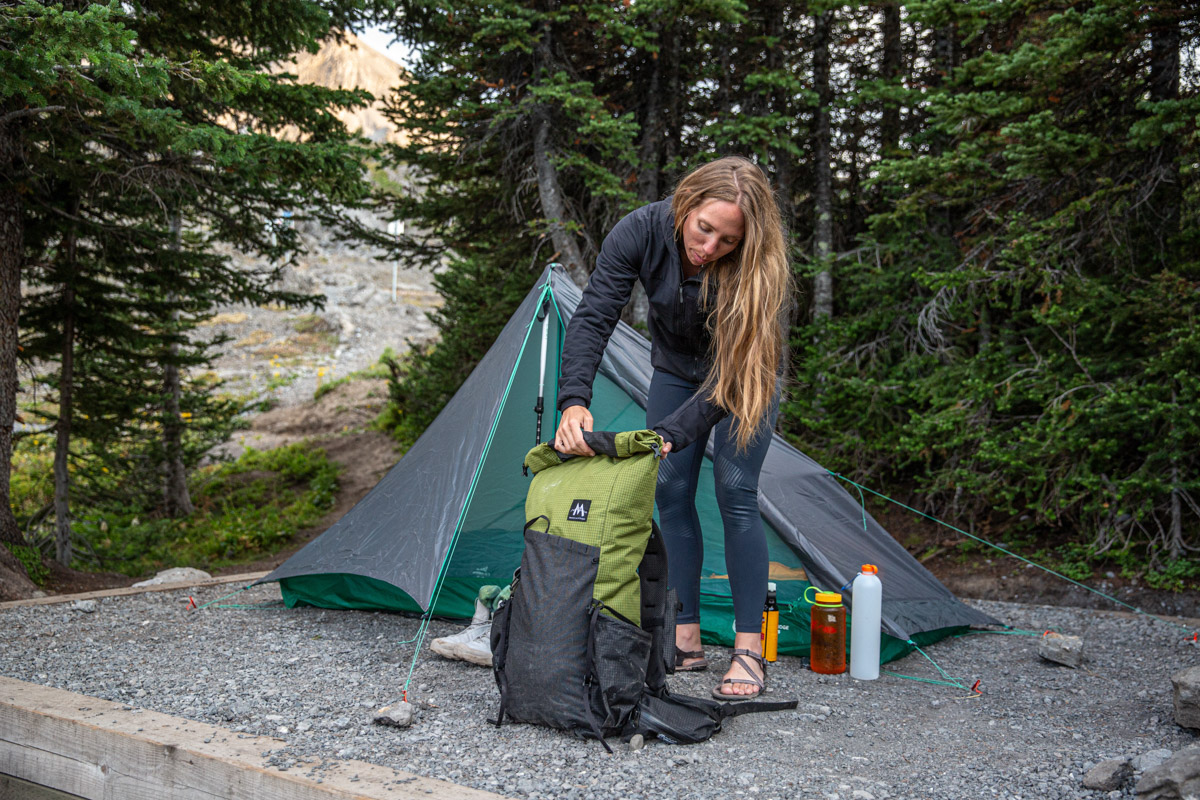
Camp shoes are designed to give your feet a break after long days outside—whether they’ve been crammed in hiking boots, ski boots, or climbing shoes. The category has a very wide scope, comprising everything from plush slippers for car camping and lounging around the cabin to ultralight sandals for toting into the backcountry. Recovery shoes are also becoming increasingly popular among endurance athletes, such as runners, who look to give their feet a break after making big efforts. The style you choose will largely depend on your intended use(s), but all camp shoes share a few basic characteristics: easy on and off, materials that are built to withstand the rigors of outdoor use, and enough support and structure for quick outings from camp or running errands around town (at the very least). Sure, a cheap pair of flip-flops may suffice for a season or two, but we’ve had countless pairs fall apart on us over the years and think the added investment is well worth it for folks who spend a lot of time outside and want something that will last.
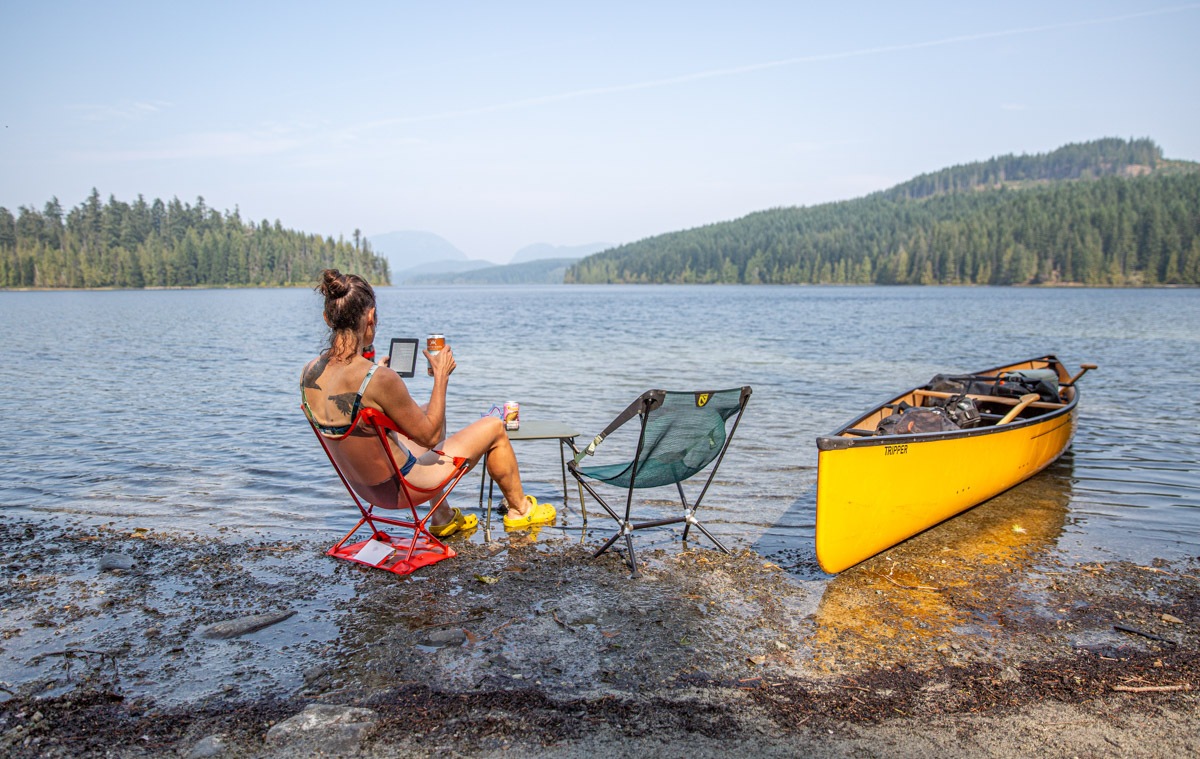
Since this is such a broad category, we’ve broken our picks down into several subcategories to help you narrow down your search: slippers, booties, sandals, recovery shoes, and clogs. Below we break down the pros and cons of each style, including who and what each type is best for, common features and characteristics, and more. Depending on your objectives and the amount of time you spend outside, you may end up with more than one option in your closet.
Slippers
We love a good pair of camp slippers, whether we’re whipping up dinner at a campground, working from home, or cozying up with a good book in our van. Two of our favorites in this category are The North Face’s Traction Mules V and Teva’s ReEmber Slip-Ons, both of which are high on comfort, look great whether in the outdoors or around town (the Tevas are a little better suited for everyday use), and are very easy to get on and off—simply slide your foot inside (with or without socks) and either leave the heel collapsed or use your thumb to secure it over the back of your foot. We also like Xero's Pagosa Fireside Slippers, which are lighter-weight than either of the aforementioned slippers, making them a nice option to pack for backpacking adventures.
.jpg)
Booties
Similar to slippers but with a higher-riding collar, booties are a staff favorite for cold-weather adventures that warrant added coverage. We included two booties on our list: the Feathered Friends Down Booties and Outdoor Research Tundra Trax Booties, both of which extend over the ankle and feature drawcord closures at the cuff for sealing out wind and moisture (the Feathered Friends shoes have an additional drawcord at the ankle). Many of the slippers on our list are also sold in bootie versions, including the TNF Traction Mules, Teva ReEmber, and Exped Camp Slipper. Compared to slippers, booties are more challenging to put on and take off due to their added height and material, often requiring two hands to pull on. The biggest benefits are the added warmth and coverage they provide in cold environments. We typically don’t wear booties outside of the winter months, but they can be a nice option for hut trips, après ski, and winter camping—just don’t expect them to replace a pair of winter boots.
.jpg)
Sandals
For summertime hiking and trips into the backcountry, we turn to open-toe sandals. In addition to being lower-profile than closed-toe designs, sandals are inherently more breathable and less prone to stink buildup. Many are also impressively light and packable, which is great news for weight-conscious backpackers looking to minimize weight and bulk. Chaco’s Z/Cloud above is our favorite sandal for wearing around camp and casually in the summer months, but it’s heavy and bulky enough that we typically leave it behind on backpacking trips. On the other hand, minimalist options like Luna’s Leadville Pacer and Teva Original Universal Sandals are competitively lightweight and flexible—great for strapping to the outside of a pack and giving your feet a break after long days on the trail. The Chacos offer far better structure and support for covering long distances, but there’s a reason that designs from Luna and Tevas have such a loyal following. For a wider look at the market, check out our article on the best hiking sandals.
.jpg)
Recovery Shoes
As their name suggests, recovery shoes are designed to give your feet a break after intense efforts, such as long-distance runs or multi-pitch climbs. They can also be beneficial for individuals who suffer from conditions such as plantar fasciitis or rheumatoid arthritis. While styles vary widely, all recovery shoes prioritize comfort with thick padding and generous support. Our favorite in this category is the Oofos Ooahh Slide, which offers a cushy ride and is very easy to get on and off. If you prefer a closed-toe design, Oofos offers several options, including clogs, mules, and fully enclosed shoes. Keep in mind that recovery shoes have a pretty polarizing feel due to their thick padding and rockered (read: upturned) shape, which is great for impact absorption and minimizing stress on your joints, but can result in a tippy and off-balance feel. For this reason, we only wear recovery shoes when our feet are in serious need of some rest and care.
Clogs
A final style to consider is the clog, which features front-of-the-foot coverage but leaves most of the heel exposed. We included two clogs on our list, the Crocs Classic Clog and Bedrock Mountain Clog, which lie at opposite ends of the spectrum in terms of price and overall construction. While the Crocs boast an all-foam build that’s inexpensive, lightweight, and quick to dry, the Bedrock is crafted with premium nubuck leather and features a proven Vibram outsole to maximize both longevity and grip. Both shoes are very easy to slip on and off (although you may have to reach down to deploy or adjust the heel strap) and easy to pair with socks due to their wide and accommodating shapes. Some may find the clog styling to be polarizing, but it’s largely a matter of personal preference.
.jpg)
Comfort was one of our top priorities in deciding on our favorite camp shoes, and many of the options above are downright plush. A couple of top performers include The North Face’s Traction Mules and Xero Pagosa Fireside Slippers, both of which are lined with cozy fleece. While decidedly less luxurious, many folks also find Crocs’ Classic Clogs very comfortable due to their forgiving foam build and generous shape, although they take some time to break in. The level of cushioning also plays a role in comfort, with recovery shoes like the Oofos Ooahh Slide offering generous padding underfoot to maximize impact absorption and minimize stress on your joints. Minimalist sandals like the Luna Leadville Pacer fall toward the less comfortable end of the spectrum, but they are nevertheless a very welcome reprieve from traditional hiking boots or shoes on high-mileage days. In other words, comfort is the result of myriad factors, and only you can decide how much you need.
.jpg)
Closure systems vary considerably from shoe to shoe, but easy on and off was a key consideration in choosing our picks above. For the quickest solution, basic slides like The North Face Base Camp III, Oofos Ooahh, and Hoka Ora Recovery 3 require virtually zero effort to slip on and off, with the biggest trade-off being a lack of security. Slippers like The North Face Traction Mules and Teva ReEmber are also very simple, although securing the heel is an added step, as is pairing them with socks. Booties, on the other hand, often require two hands to get on due to their high collar, and then there’s the matter of cinching the drawcord(s), which isn’t necessary but can help maximize warmth and minimize unwanted movement inside the shoes.
.jpg)
Buckles also complicate the on-and-off process, with sandals like the Chaco Z/Cloud and Luna Leadville Pacer requiring adjustments each time you put them on. This is rarely a problem on backcountry trips, when we’ll do just about anything to give our feet a break from our hiking boots. However, it’s less ideal for everyday and casual use, when convenience is the top priority. Before buying, consider the level of security you need, how frequently you plan to take your shoes on and off, and how hard you are on your gear (more moving parts mean more pieces that can break or fail over time).
Given the wide spread in camp shoe designs, it’s no surprise that weight varies significantly, with our picks above ranging from just 4.8 ounces per pair (for the Xero Pagosa Fireside Slippers) up to nearly 2 pounds. Most slippers and booties tend to weigh in toward the heavier end due to their full-coverage uppers, while sandals are typically lighter and more packable. However, there are some notable exceptions to this rule: Chaco’s Z/Cloud sandals, for instance, are the heaviest option on our list, weighing almost 2 pounds per pair. In contrast, Xero Pagosa Fireside Slippers check in at a mere 4.8 ounces and collapse down impressively small, making them ideal for stashing in a pack. Weight and packability may or may not be an important consideration, depending on your intended use(s) and objectives. However, those headed deep into the backcountry will benefit from keeping heft and bulk to a minimum.
.jpg)
Whether or not you need high levels of support and stability is up to you, but if you anticipate doing a lot of walking or hiking in your camp shoes, it’s a good thing to consider. Weight can be a nice place to start, with heavier designs like the Chaco Z/Cloud, Bedrock Mountain Clog, and Teva ReEmber sitting near the top of the pack. On the other hand, light and minimalist sandals from brands like Luna and Bedrock feature relatively thin midsoles, providing significantly less cushioning and minimal arch support. Recovery shoes are also worth mentioning here, which feature generous padding to maximize comfort but often have a tippy feel due to their added clearance and rockered shape, which minimizes contact with the ground. Finally, closures like buckles and drawcords can help boost security and minimize any unwanted movement inside your shoes.
.jpg)
In addition to weight, traction varies considerably between camp shoes, and how much you need will largely depend on your objectives. If you’re simply looking for a feathery option to give your feet a break after long days of backpacking, a design like the Teva Original Universal Sandal (which features a relatively smooth outsole) could be just the ticket. However, if the ability to hike in your camp shoes is appealing, it’s worth upgrading to a more substantial design, with Vibram rubber at the forefront of the market in terms of all-out grip and capability. Chaco’s in-house rubber compounds have also proven to be impressively capable. For general around-town and light outdoor use, options like the TNF Traction Mules V and Teva ReEmber strike a nice middle ground: grippy enough for short jaunts from camp, but not as trail-ready as true hiking-focused designs like the Chaco/Z Cloud and Luna Leadville Pacer.
.jpg)
A decision between a closed-toe or open-toe camp shoe comes down to your objectives and how you prioritize protection and coverage. We love the breathability and quick-drying nature of sandals in the summer, but they leave your toes vulnerable to scratches and scrapes from rocks, roots, and other obstacles—along with bites from insects and debris working its way under your foot or between your toes. We once witnessed a Chaco-clad belayer get pulled foot-first into a rock wall when his partner fell, leaving his toes bloodied. At the other end of the spectrum are full-on booties, which we typically reserve for cold weather when the added coverage and warmth are necessary. Most slippers and clogs fall somewhere in the middle, with options like the Bedrock Mountain Clog featuring sturdy toe caps for protecting against direct hits to the front of your foot.
.jpg)
You can always throw on a pair of socks to add warmth when wearing sandals, but for shoulder-season and winter use, we turn to insulated slippers and booties. For maximum warmth at minimal weight, down-insulated designs like the Feathered Friends Down Booties are tough to beat. Synthetic insulation offers better wet-weather assurance—unlike down, it will continue to insulate when wet—making it the better option for trudging through wet grass or fending off light rain. In general, we’ve found designs like the TNF Traction Mules and Teva ReEmber land in a nice middle ground, with enough insulation to keep our feet cozy on chilly evenings at camp but not so much that we sweat out of them quickly in mild temperatures. And again, there’s always the option to add a pair of socks to boost warmth—just make sure to take that into account when sizing your shoes.
.jpg)
Water resistance is another matter of personal preference. If you spend a lot of time in or around water, it’s likely you’ll want a streamlined shoe that dries quickly. All of the sandals above fit the bill, along with the Crocs Classic Clog. If your primary use will be backpacking and you expect to encounter numerous water crossings, minimalist sandals like the Luna Leadville Pacer and Teva Original Universals are excellent options. On the other hand, if you’re simply looking for shoes that can withstand the occasional light rain or snow, a design with a standard DWR coating will suffice. For reference, we’ve worn our Teva ReEmber Slip-Ons on dewy mornings at camp, while washing our car, and while watering our garden, and each time, they’ve kept our feet perfectly dry—just be careful not to fully soak them, as they’ll take a while to dry.
_0.jpg)
Breathability varies significantly between camp shoes, with open-toe sandals at the most ventilated end of the spectrum and full-on booties offering the least amount of airflow. Again, a decision will largely depend on where and when you plan to wear your shoes. If you’re a fair-weather backpacker looking for a shoe to tote into the backcountry, it’s probably worth opting for a breathable and quick-drying sandal that you can wear around water, hike in occasionally, and throw on at camp to give your feet a break from your hiking shoes. On the other hand, a closed-toe slipper like Teva's ReEmber is much less breathable but offers full foot coverage and enough warmth to wear casually throughout the colder months. We reserve our higher-riding booties exclusively for winter, as the added insulation and over-the-ankle height allow for minimal airflow. Ultimately, you’ll want to consider factors such as protection, warmth, and versatility when making a decision.
.jpg)
As with most performance metrics, odor resistance will depend heavily on the type of camp shoe you choose. As we mentioned, slippers and booties that cover your whole foot, such as The North Face Traction Mules, Feathered Friends Down Booties, and Outdoor Research Tundra Trax, among others, are inherently less breathable than open-toe sandals, making them more susceptible to odor buildup from sweaty feet. To combat this, some manufacturers equip their shoes with odor-resistant treatments, many of which we’ve found to be pretty effective. If you’re concerned about odors, pairing your slippers with socks can help create a barrier, or you can purchase a deodorizer spray or Boot Bananas to slip inside your shoes between wears.
.jpg)
All the picks above are made by reputable brands and should withstand regular use well. That said, some will fare better than others, and weight can be a good indicator of overall longevity. For instance, ultralight and minimalist sandals like the Luna Leadville Pacer are inherently less durable and more prone to wear than beefier and more substantial designs, such as Chaco’s Z/Cloud. When it comes to slippers and booties, those with smooth polyester shells—like TNF’s Traction Mules and Outdoor Research’s Tundra Trax Booties—tend to be the most prone to snags and tears, while Teva’s ReEmber is almost canvas-like in feel and much less susceptible to abrasion.
.jpg)
Price can be another good indicator of long-term durability, with more expensive offerings typically boasting higher-quality materials and more robust constructions that will withstand frequent outdoor use better. For reference, the priciest option on our list is Bedrock’s Mountain Clog, which is made with premium nubuck leather and features a Vibram Megagrip outsole that is well-suited for the outdoors. There are certainly exceptions to this rule—such as Crocs' Classic Clog, which features an all-foam build that we’ve found to be impressively long-lasting—but overall, you can expect heavier and pricier designs to hold up better over time.
_0.jpg)
As with any pair of footwear, getting a good all-around fit is key to maximizing your camp shoes’ performance and comfort. Whenever possible, we advise trying on before you buy, as sizing can vary considerably between brands and models (it doesn't help that many camp shoes are only offered in unisex sizing). For instance, The North Face’s Traction Mules V are known to run small, but others that we've tested have run large enough that we opted to size down. If you opt for sandals like the Chaco Z/Cloud or Luna Leadville Pacer, be aware that the straps can cause pressure points and hotspots. The only surefire way to ensure a comfortable fit is to try them on first. And those with flat feet or conditions like plantar fasciitis will want to pay particularly close attention to the overall feel of the shoe—if it feels a little unsupportive the first time you try it on, comfort will likely only deteriorate as you wear it for longer periods. Regardless of the shoes you choose, be sure to consider whether you’ll want to pair them with socks and, if so, how thick they’ll be.
.jpg)
The outdoor gear market has seen a significant increase in the adoption of sustainable practices over the past several years, and camp shoes are no exception. Recycled materials are one of the most common measures, with brands like Teva, Outdoor Research, and The North Face at the forefront. For instance, Teva’s ReEmber Slip-Ons above utilize recycled materials in the collar, heel, lining, midsole, and outsole, while The North Face’s Traction Mules V feature a 100% recycled PET upper and polyester insulation. The latter also employs another increasingly common sustainability measure: a PFAS-free DWR coating, which forgoes the use of harmful “forever chemicals” that are notorious for their inability to break down over time. Finally, we appreciate when brands make an effort to extend the lifespan of their products. Chaco’s ReChaco program and Bedrock’s Re-Soul & Repair are examples of this, allowing you to send in your old pair of sandals and have the straps, buckles, and soles fixed or swapped.
.jpg)
The decision on whether to wear socks with your camp shoes is largely a matter of personal preference, but some designs are better suited to this purpose than others. At the easy end are slip-ons like The North Face Traction Mules V and Xero Fireside Pagosa. We often forgo wearing socks with our slippers when we're at home, but doing so all the time may lead to odor buildup—especially if you’re prone to sweaty feet. Open-toe sandals, such as the Chaco Z/Cloud and Teva Original Universals, also pair well with socks, although you may need to adjust the straps to accommodate thicker designs. The only options above that don’t easily accommodate socks are those with toe straps, including the Luna Leadville Pacer. Injinji offers designs that separate each toe, such as their popular Trail Midweight Mini-Crew, but not everyone will appreciate the look or the effort required to put them on. The biggest takeaway is that it’s a good idea to think about compatibility before making a purchase.
Back to Our Top Camp Shoe Picks Back to Our Camp Shoe Comparison Table


 (s).jpg?h=9545d21b&itok=qywt9roP)
 (s) (1).jpg?h=fbc67360&itok=bePLlSbY)
.jpg?h=fbc67360&itok=nM6URf95)
.jpg?h=fbc67360&itok=IjTMtW86)
.jpeg?h=fbc67360&itok=7d4ziu2w)
.jpg?h=fbc67360&itok=YlIwRL1Y)
.jpg?h=fbc67360&itok=-Rsj9UCw)
.jpg?h=fbc67360&itok=CZh7n9mg)
.jpg?h=fbc67360&itok=Y46tRizX)