.jpg)
-m.jpg)
Photo Credit
All it takes is one muggy day on the trail in a full cotton top to illustrate the importance of a proper hiking shirt. From backpacking missions in Chile, Argentina, and Nepal, to full-blown thru-hikes of the Continental Divide and Appalachian Trail, we put a whole slew of these lightweight wonders through the wringer, and our favorite shirt remains the Patagonia Capilene Cool Daily; we're particularly fond of the graphic version. The lightweight, moisture-wicking nature of these trekking tops makes them well-suited for long, hot days, and they feature a good deal of UPF sun protection. To decide on our lineup, we tested each shirt with a focus on durability, moisture regulation, UPF protection, and comfort, ensuring each of our suggestions meets the stringent demands of the modern trail trotter. If you're looking for hiking shirts for women, we have a guide to that as well.
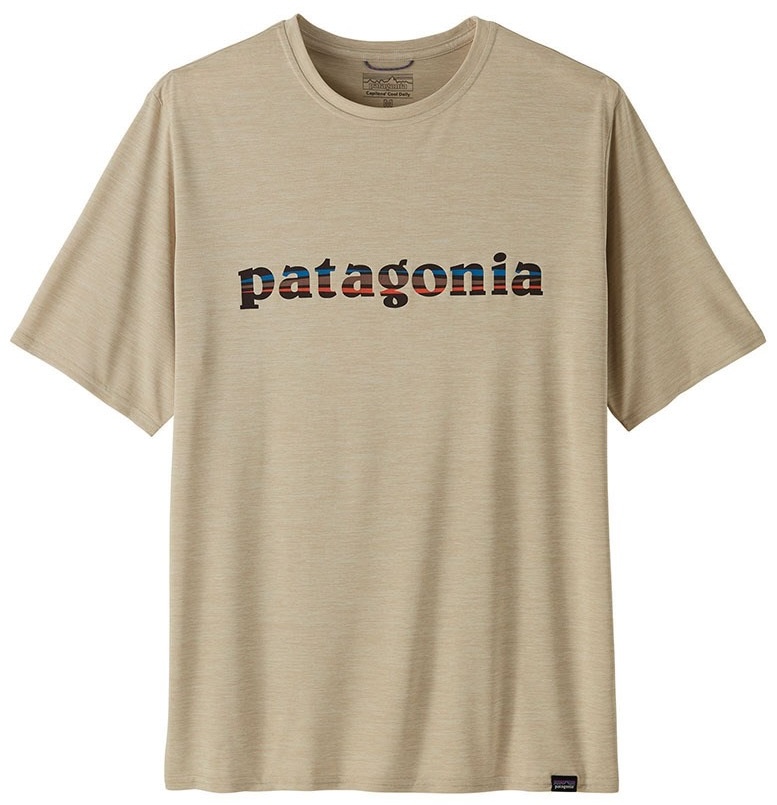 Materials: 100% polyester (50% recycled) jersey with HeiQ Mint odor control
Weight: 4.5 oz.
Styles: SS (short sleeve), LS (long sleeve), hoody
What we like: Stellar durability in a lightweight, breathable package.
What we don’t: Baggier fit than we prefer, not the best odor-control.
So light you won't know it's there, but durable enough to last over 5,000 miles of harsh use—what wizardry has Patagonia employed? The Capilene Cool Daily Graphic T has been our main editor's go-to hiking shirt since thru-hiking the PCT in 2018, and we've tested just about every iteration. The soft, quick-drying nature of the Capilene fabric makes it a boon for ultralight backpacking in all manner of conditions, and it boasts stellar next-to-skin comfort. Add in odor resistance via HeiQ Mint odor control, and you get one heck of an adventure-ready design. The true headliner for us, however, is this shirt's durability. Despite over eight months of constant abrasion under a fully loaded backpack, one of these shirts survived the entirety of our back-to-back thru-hikes of the CDT and AT. We had stocked up on five pairs before the trip—and expected to blow through each one before the end—but this tiny wonder called our bluff.
It's admittedly difficult to ding our cherished thru-hiking shirt, but a few standout cons did surface. Namely, the loose, relaxed fit doesn’t wick moisture as well as some trimmer-fitting hiking shirts in our closet, and it's prone to bunching under a hipbelt, which can lead to pressure points over time. Additionally, while the HeiQ Mint odor-control treatment does a passable job of combating trail stench, this shirt isn’t a standout in stink prevention. And finally, as a purely personal quibble, the latest patterns just aren’t as fun or vibrant as past versions, in our opinion. These qualms aside, for casual comfort around camp, or full-blown escapades across the country, this shirt is just about the best in our book.
Read more: Men's Patagonia Capilene Cool Daily Graphic T-Shirt review
See the Patagonia Capilene Cool Daily Graphic T-Shirt
.jpg)
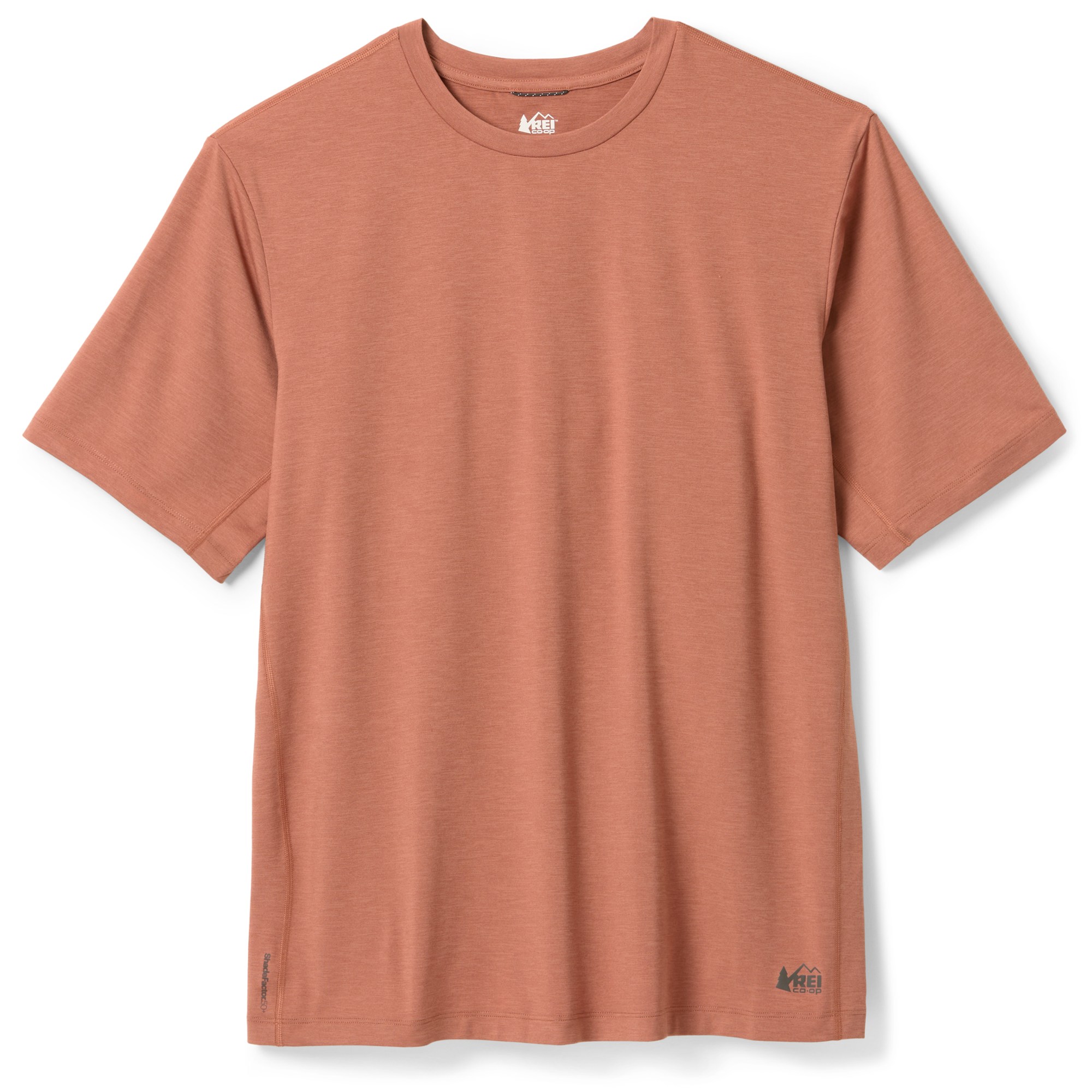
Materials: 91% polyester, 9% spandex
Weight: 5.6 oz.
Styles: SS, LS, hoody
What we like: Affordable performance from a reliable brand; soft and flexible.
What we don’t: Not as odor-resistant or breathable as others we tested.
For hikers seeking a cozy, breathable, budget-friendly performance tee, the REI Co-op Sahara Shade T-Shirt is a stellar choice. Made from a lightweight polyester-spandex blend, the Sahara wicks moisture effectively, dries quickly, and offers a hint of stretch for added comfort on the trail. The fabric’s soft feel and relaxed fit make it a great option for everything from casual day hikes to multi-day backpacking trips, while built-in UPF 50+ sun protection provides strong shielding against harmful rays. Best of all, REI consistently offers the Sahara Shade at an affordable price, making it one of the better values on the market.
Of course, compromises come with a budget-friendly price. The Sahara Shade T-Shirt doesn’t have the ultra-premium feel of pricier merino or blended options, and the synthetic fabric can develop odors more quickly than other synthetic options. Additionally, while the shirt is light and breathable, it lacks the airy feel of more technical hiking tops with mesh paneling or advanced moisture-wicking designs. That said, for hikers who want a no-frills, moisture-wicking performance tee at a fraction of competitors' prices, the REI Co-op Sahara Shade remains a top budget pick. Plus, with both short- and long-sleeve versions available, it’s easy to find an option that suits your needs.
See the REI Co-op Sahara Shade T-Shirt
.jpg)
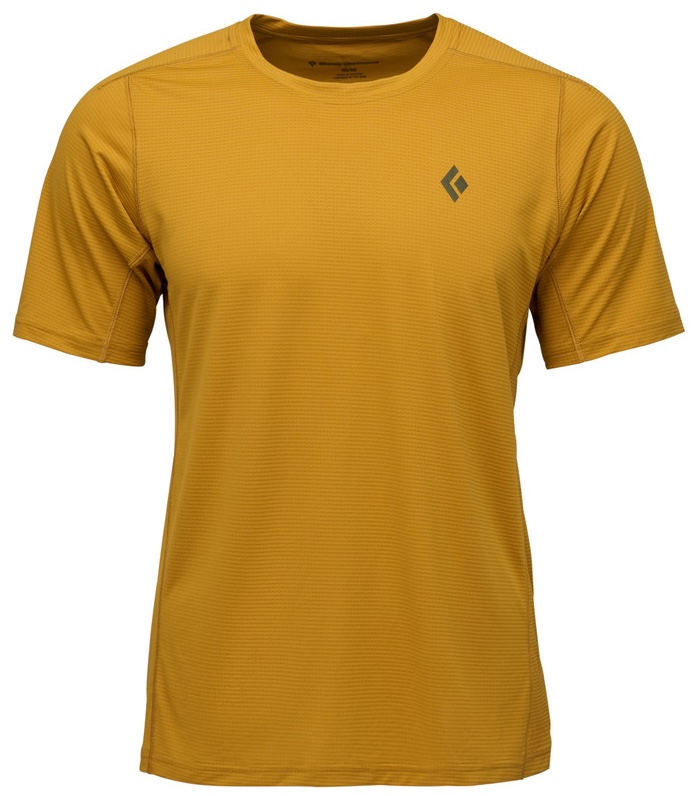 Materials: 100% polyester
Weight: 3.1 oz.
Styles: SS, LS
What we like: Ultralight minimalism in a breezy, comfortable design.
What we don’t: Not as durable as others, not our favorite cut.
Designed for long days on the move, the Black Diamond Distance SS Tech Tee is an ultralight, performance-oriented hiking and trail running shirt. The 100% polyester jersey fabric wicks moisture effectively, dries quickly, and includes an anti-odor treatment to keep funk at bay during multi-day trips. Meanwhile, flatlock seams help reduce chafing under a backpack, and the stretch-knit fabric offers a comfortable fit for high-output adventures. Whether you're power-hiking up a ridgeline or tackling technical terrain, the Distance SS Tech Tee is built to keep you cool and dry. This is the first shirt we'll grab for fast-and-light missions in the mountains—for both backpacking and trail running.
That said, the all-synthetic construction won’t match merino wool's odor resistance, and the simple design lacks the added breathability of mesh panels found on some competitors. Additionally, the fit leans toward the regular side, which may not be ideal for those who prefer a more athletic cut. It's also not the most durable option compared to shirts like the Patagonia Capilene Cool Daily T-Shirt. And at $69, it is on the pricier, more premium end for a hiking shirt—a turnoff for our editor when he came across this shirt while shopping for lightweight designs on a budget during his last thru-hike. But for hikers and fastpackers looking for a top-shelf lightweight and technical performance tee with minimal bulk, the Distance SS Tech Tee is a strong option from a very reputable brand.
See the Black Diamond Distance SS Tech Tee
.jpg)
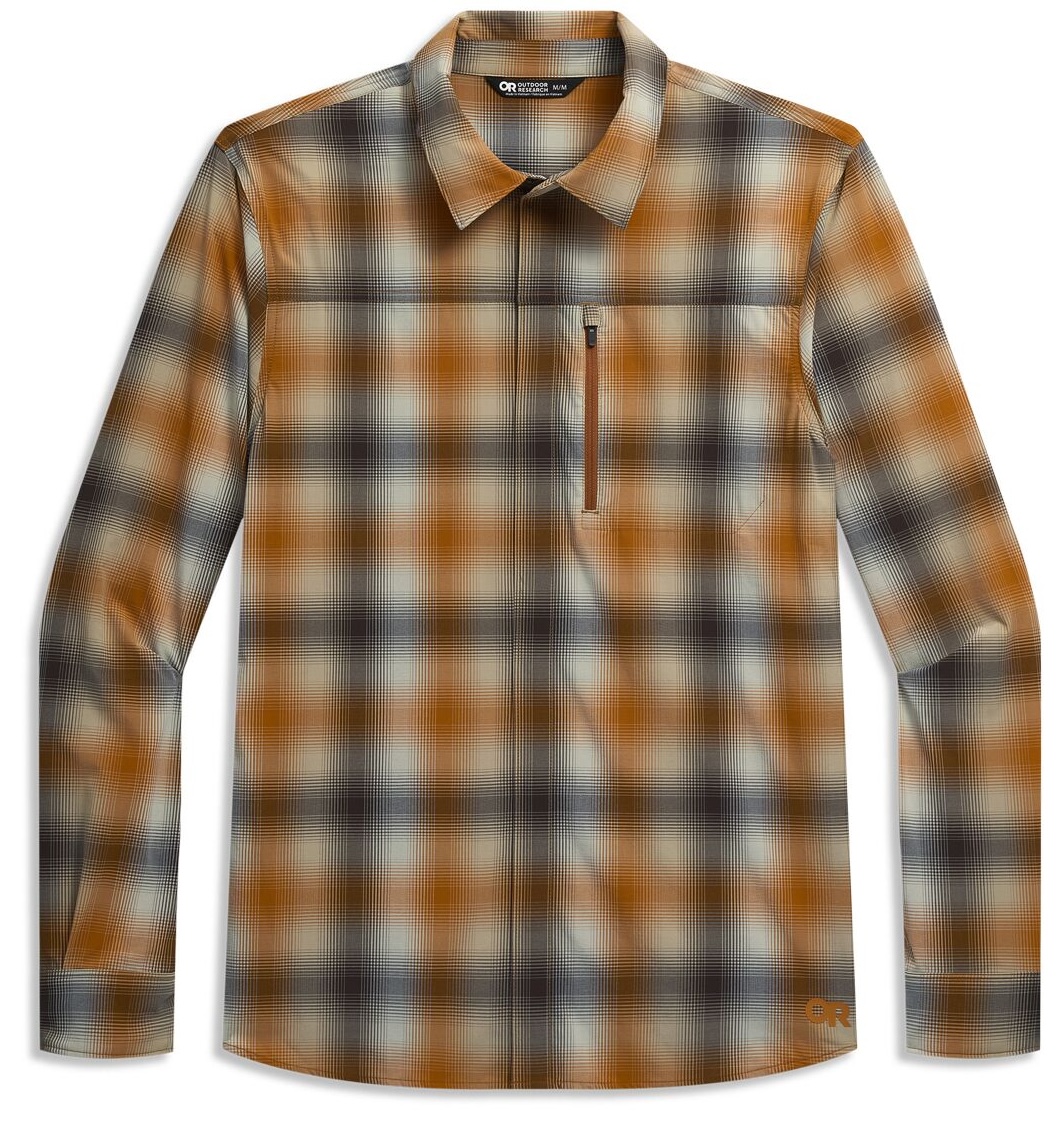
Materials: 85% nylon, 15% spandex
Weight: 6.3 oz.
Styles: LS, SS, hoody
What we like: Lightweight, breathable, and flexible fabric for all-day comfort on the trail.
What we don’t: Not as durable as other models out there; expensive.
The Outdoor Research Astroman Long Sleeve Sun Shirt stands out as one of the best button-up hiking shirts, offering ultimate protection and comfort on sun-drenched adventures. Made from a lightweight nylon and polyester blend, this shirt features a breathable, moisture-wicking fabric that effectively manages sweat, keeping you cool during high-output activities. OR's AirVent technology is implemented on the back yoke, delivering superb airflow and breathability where it matters most. The integrated UPF 50+ sun protection shields your skin from harmful UV rays, while roll-up sleeves with button tabs offer versatile styling and adaptability for varying conditions. With its relaxed fit and articulated design, the Astroman offers a full range of motion, making it ideal for climbing, hiking, or travel. We find this shirt fits tighter than others we tested, despite the "relaxed" designation—which is actually a bonus in our book.
While the Astroman excels in sun protection and breathability, its lightweight construction may not offer the same durability as heavier button-up options. Also, while we love how stretchy it is, it sometimes feels too stretchy for our taste. However, thoughtful design features—such as the mesh-lined back ventilation and secure chest pockets—enhance its functionality on the trail. For those seeking a versatile, sun-protective button-up that combines performance with comfort, the Outdoor Research Astroman Long Sleeve Sun Shirt is an exceptional choice for outdoor enthusiasts.
See the Outdoor Research Astroman Long Sleeve Sun Shirt
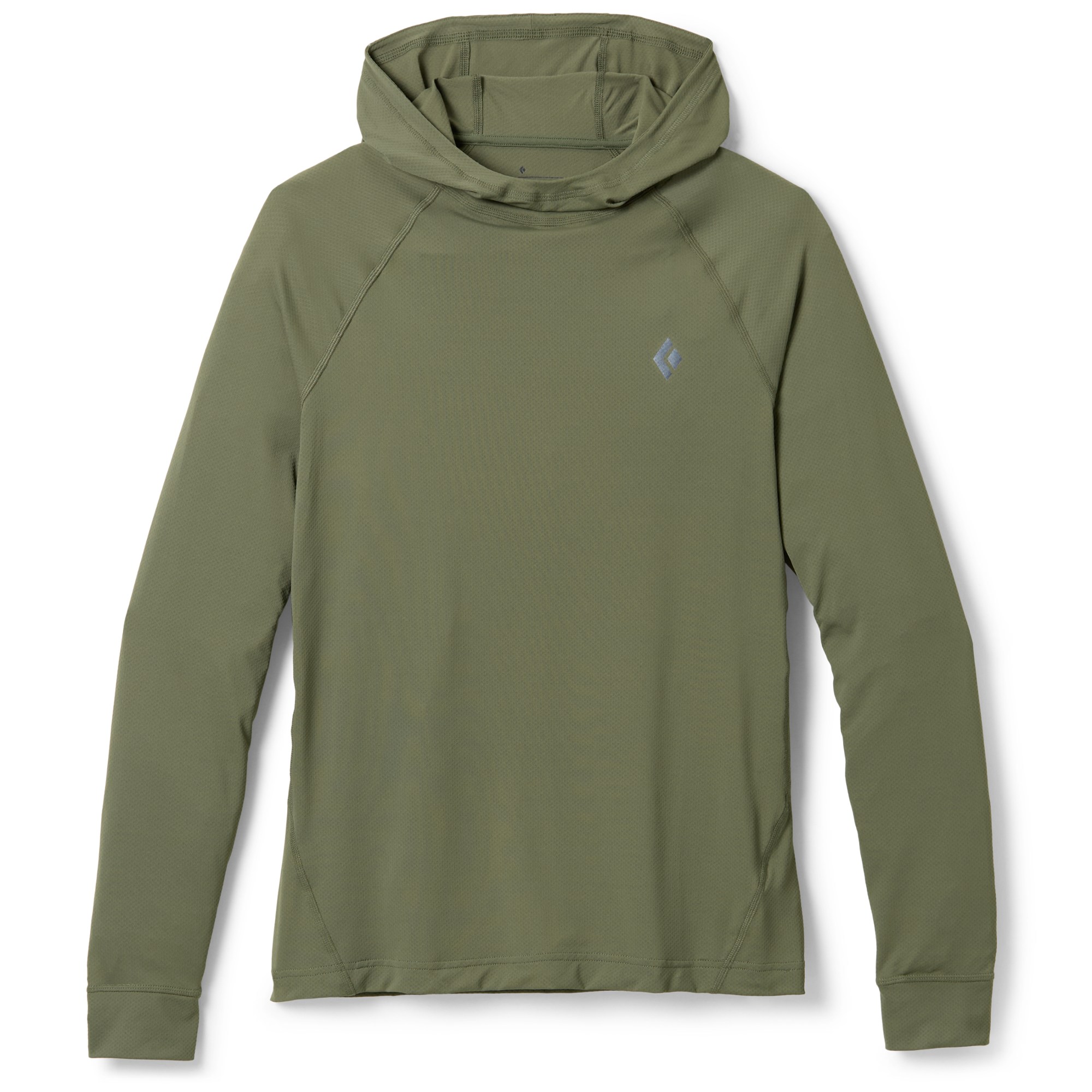
Materials: 87% polyester 13% elastane
Weight: 8.6 oz.
Styles: Hoody, LS
What we like: Great durability and versatile enough for hiking or climbing.
What we don’t: Not as light and airy as other sun hoodies we've tested.
For sun-drenched hikes, alpine missions, and long days on exposed terrain, the Black Diamond Alpenglow stands out as one of the best sun hoodies on the market. The shirt’s UPF 50+ rating offers top-tier protection against harsh UV rays, while the lightweight polyester and elastane fabric wicks moisture and dries quickly to keep you comfortable on the move. The real star of the show is Black Diamond’s BD.cool technology, which reflects 71% of near-infrared rays to help regulate temperature and prevent overheating in scorching conditions. Add in an under-the-helmet hood, stretch-knit fabric for full mobility, and a Polygiene anti-odor finish, and you have a versatile layer that excels across a range of outdoor pursuits. We've been rocking iterations of the Alpenglow hoody for years, and it's our go-to sun shirt for long backpacking trips, bushwhacking excursions, and even big wall climbing missions. We most recently took it on a month-long expedition in Nepal, and it did a great job shielding us from the brutal high-altitude sun. We've also romped around the exposed East African savannah with the Alpenglow, and it kept us cool and protected the entire time.
Despite its many strengths, the Alpenglow Hoody won’t be as airy as ultralight mesh-based sun hoodies, and the thicker fabric might feel warm in extreme humidity. Additionally, the fit leans on the relaxed side, which may not be ideal for those who prefer a more athletic cut. However, the combination of durability, excellent sun protection, and temperature-regulating tech makes this a top-tier choice for hikers, climbers, and backcountry explorers. If you’re looking for the ultimate sun-blocking layer that can handle everything from desert treks to high-altitude expeditions, the Black Diamond Alpenglow Hoody is hard to beat.
See the Black Diamond Alpenglow Hoody
.jpg)
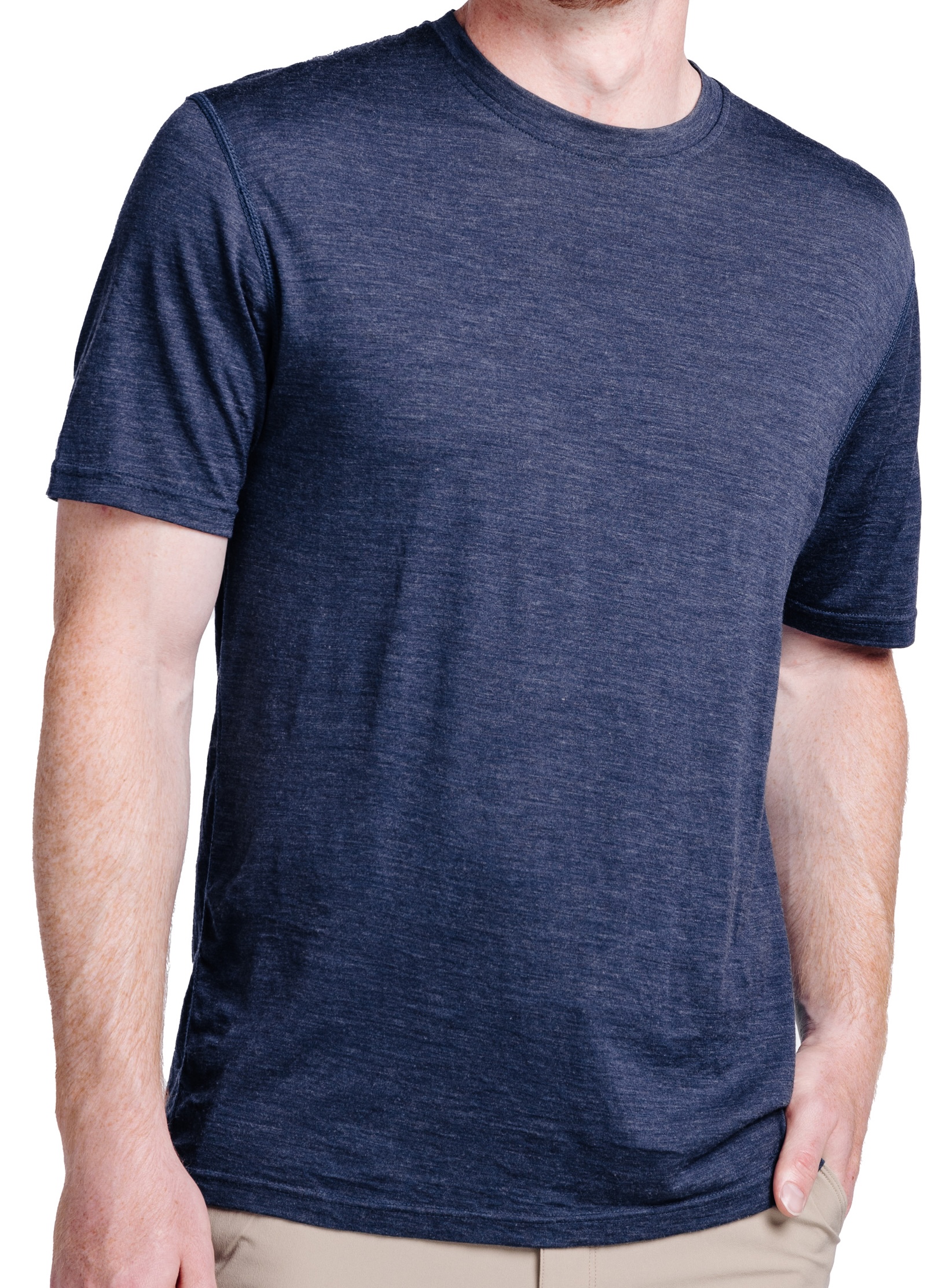 Materials: 100% merino wool
Weight: 4.4 oz.
Styles: SS, LS
What we like: Incredible comfort and moisture management with a stylish fit.
What we don’t: Not as light or packable as other materials; pricey.
We'll come out and say it—we've never been huge merino wool fans while hiking. Most merino shirts we've donned on the trail have fallen on the itchy side, and we just find it hard to beat the simple performance of something like Capilene. That is, until we met the Teren Traveler Tee. Knowing he would be clocking serious mileage in chilly temps during a late-season southbound thru-hike of the Appalachian Trail, our author opted for this shirt for a boost in warmth without sacrificing breathability or comfort. And boy, did it live up to the hype. He wore it non-stop for nearly a month on trail—from flurries of snow in the Smokies to long sweaty slogs in Southern Georgia—and it kept him cozy through the full gamut of conditions. Not only that, but it fended off the dreaded trail stench better than most shirts we've trekked in. This is a game-changer for the shoulder-season hiker looking for a healthy concoction of warmth and breathability on long missions. Finally, true to Teren's ethos, the Traveler Tee has a stylish silhouette, making it a stellar crossover shirt for trail-to-town objectives.
A 100% merino wool construction is the secret sauce for top-shelf moisture management—but comes with a steep price. As one of our most expensive shirts on this list, it's the Cadillac of hiking apparel. You get what you pay for with outdoor clothing, though, and while the high price is our biggest ding, it offers supreme performance and comfort in spades. That said, merino wool isn't for everyone. This shirt won't cram down as small as ultralight offerings like Patagonia's Capilene Cool Daily Shirt, or BD's Distance SS Tech Tee. But that's to be expected from wool. All told, if you plan to trek or travel through a broad range of temps and climates, the Traveler Tee will have your back.
See the Teren Designs Traveler Tee
.jpg)
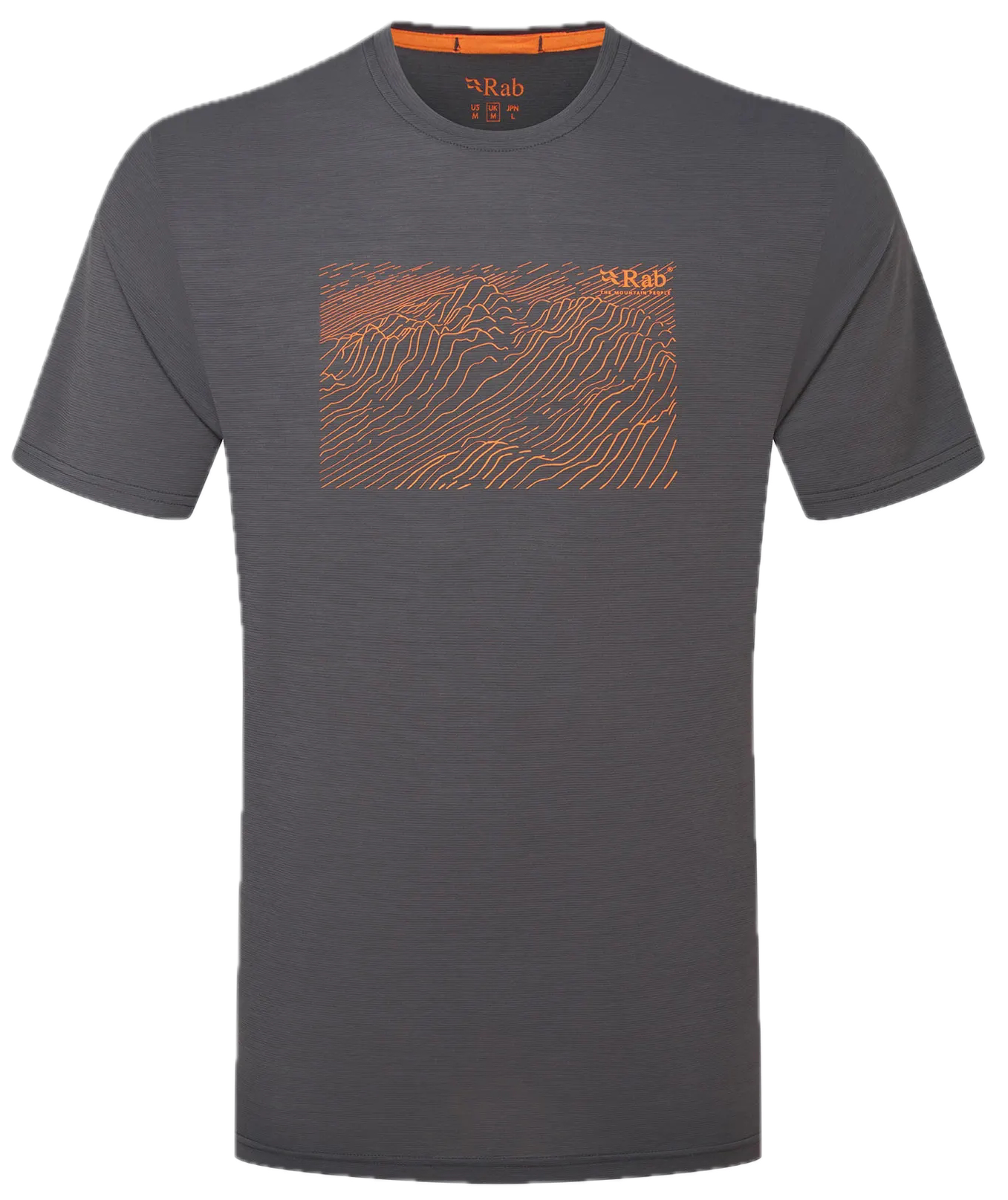 Materials: Merino/polyester blend
Weight: 4.4 oz.
Styles: SS
What we like: Steller moisture-wicking abilities in a comfy, lightweight, and form-fitting design.
What we don’t: Slim fit may be too slim for some; not as great next-to-skin comfort as others.
The Rab Syncrino Ridge Tee stands out for its sleek fit, excellent moisture management, and trail-to-town versatility. We tested this shirt on a long backpacking trip along the Haute Route in Europe and came away thoroughly impressed with the Merino/polyester blend, which wicked moisture incredibly well on hot, sweaty days while still holding its shape. The merino/polyester fabric blend strikes a fantastic balance of comfort and breathability, making it one of the best shirts for toasty backpacking trips in exposed, arid environments. Finally, at 4.4 ounces, it is one of the lightest, most packable hiking shirts we tested.
The Syncrino's athletic cut and slim, tapered fit feels more stylish than most hiking tees, and it moves well under a backpack, though those who prefer a roomier feel—or plan to wear it over a thicker base layer—may want to size up. And while the fabric is soft, it doesn’t match the next-to-skin comfort of some other competitors. All told, the Syncrino Ridge strikes a balance between performance and appearance that is better than most shirts we’ve tested. It dries quickly, resists odor, and transitions seamlessly from long trail days to evenings in town, making it one of our favorite hiking tops of the year.
See the Rab Syncrino Ridge Tee
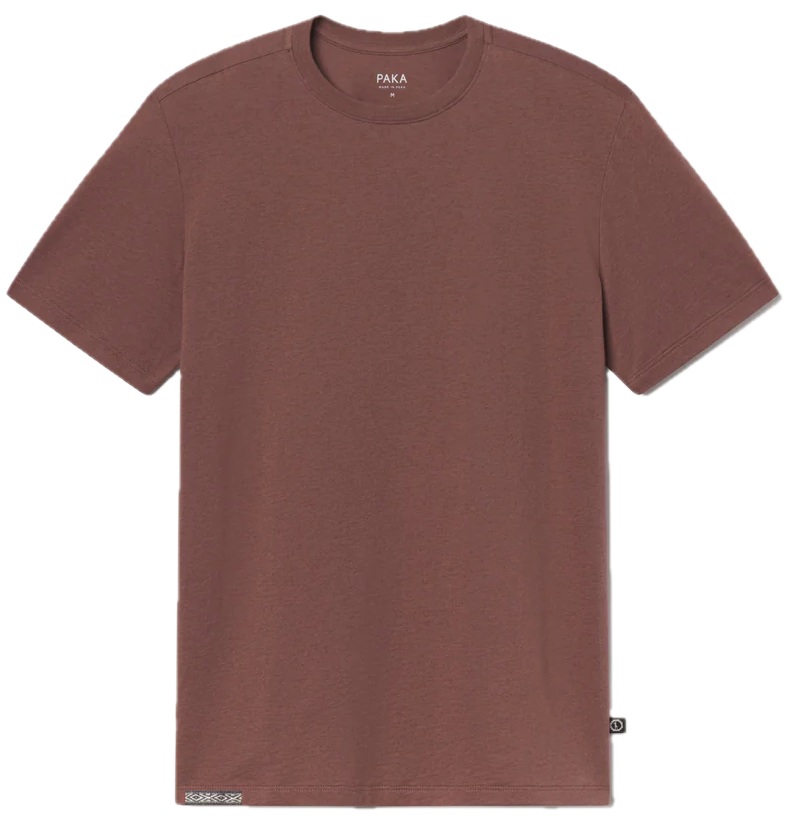
Materials: 85% organic Pima cotton, 15% alpaca fiber
Weight: 5.2 oz.
Styles: SS
What we like: Cozy, relaxed fit with a laid-back, stylish vibe.
What we don’t: Cotton-heavy construction means it's not our first choice for high-intensity hikes or backpacking.
In general, the word "cotton" is enough to make any self-respecting hiker turn tail and flee—but the unique Paka Essential Tee gives us pause. While it is constructed primarily with organic Pima cotton, the addition of premium alpaca fiber gives it just enough performance chops for light adventuring, while retaining the plush next-to-skin comfort of cotton. Alpaca fiber has long been our author's favorite in the hiking sock category for its incredible warmth-to-weight ratio and blister prevention, but Paka is making a strong case for its inclusion in your outdoor shirt drawer (they also offer stellar alpaca hiking socks we've been putting in some serious miles with). The Essential Tee blends 15% alpaca fiber with 85% organic Pima cotton to create one of the softest, most comfortable pieces we’ve ever taken into the backcountry. At just 5.2 ounces, it's light given its plush, cozy feel, and it offers a level of refined, "trail-to-town" style that most shiny synthetics can't touch. While it’s not a technical powerhouse, the alpaca fibers provide natural thermoregulation that excels during shoulder-season backpacking or lazy mornings around a high-alpine camp. For hikers who prioritize next-to-skin luxury and a sustainable, premium build, this is a top-tier crossover piece at an approachable price.
However, the high cotton content is a double-edged sword, limiting the Essential Tee’s versatility on high-output missions. Because it lacks the rapid moisture-wicking and quick-drying properties of a dedicated polyester or merino blend, we wouldn’t recommend it for sticky mid-summer treks or any scenario where you’ll be working up a heavy sweat. Additionally, the fit is notably loose and relaxed; while this is great for airflow in mild temperatures, it felt too baggy for our tastes during technical movement, and we’d suggest sizing down if you prefer a more athletic silhouette. It’s also worth noting that cotton-heavy shirts tend to hold onto moisture once damp, which can lead to a chill as soon as the sun goes down. Complaints aside, for casual adventures and post-hike recovery, this is a contender for the coziest hiking shirt on our list.
See the Paka Essential Tee
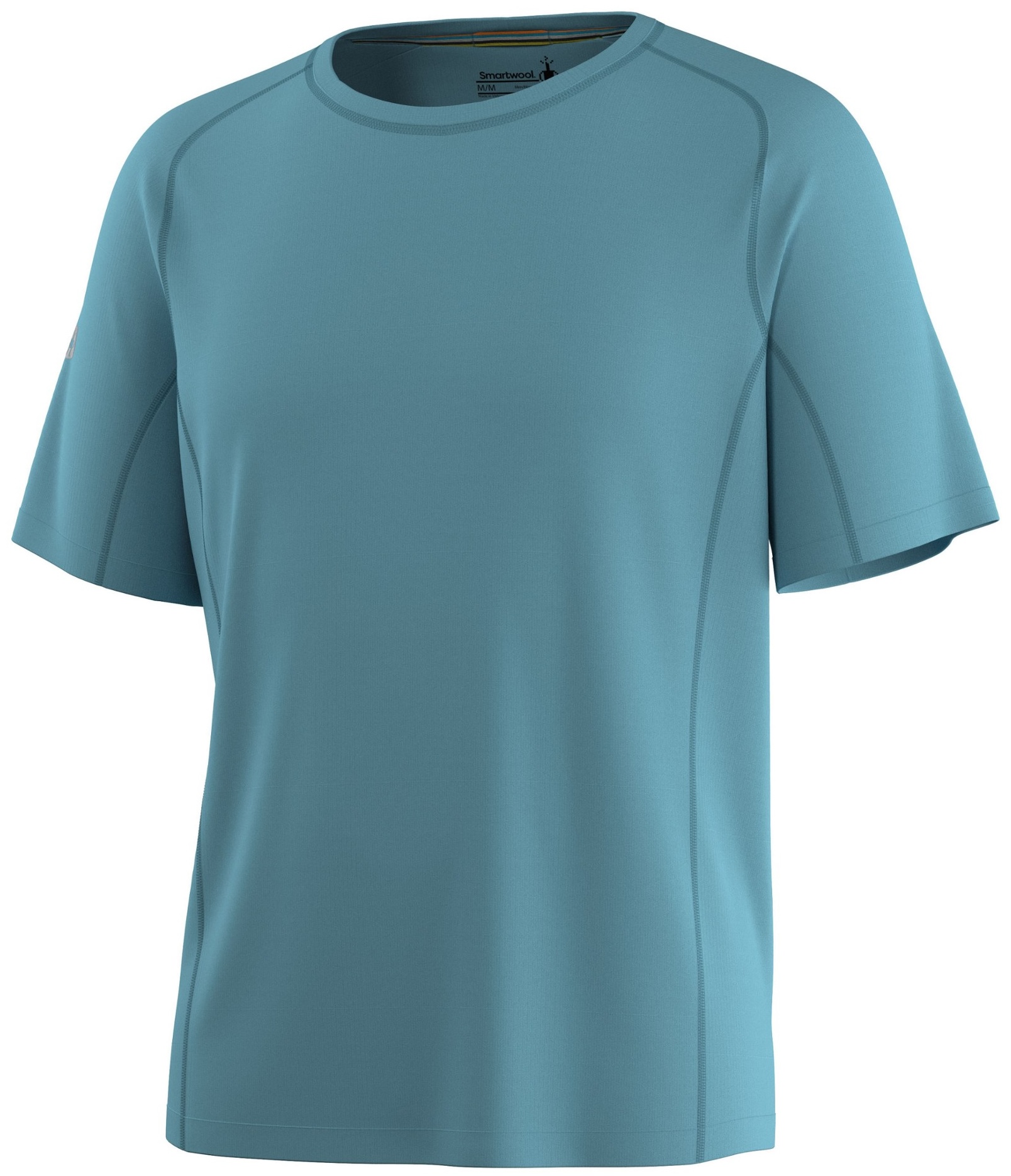
Materials: 53% merino wool, 47% Tencel lyocell
Weight: 4.2 oz.
Styles: SS, LS
What we like: Impressively light considering the merino construction; super breezy; very cozy.
What we don’t: Pricey; we wish the athletic cut were a bit tighter.
The Smartwool Active Ultralite is a technical standout for hikers who want the performance of merino wool without the heavy, itchy feel that often comes with it. By blending ZQ-certified merino with Tencel lyocell, Smartwool has created a fabric that provides an immediate cooling sensation against the skin—a rare feat for a wool-based garment. We immediately noticed this when we slid this buttery-smooth shirt on for the first time in early summer, in southern humidity. It felt like we had just donned a portable A/C unit. At a lean 4.2 ounces, it is a good deal lighter and airier than the cotton-heavy Paka Essential Tee and other merino options, yet it feels far cozier and more natural than synthetic options like the 100% polyester Black Diamond Distance Tech Tee. We value the offset shoulder and side seams, which are intentionally placed to stay out of the way of heavy backpack straps and hipbelts. On high-output climbs where sweat is inevitable, the natural odor resistance and temperature regulation of this blend kept us feeling fresh and dry.
That said, the "athletic fit" of the Active Ultralite left us with some mixed feelings during testing. While the shirt fits perfectly—snug and secure—through the chest and shoulders, it tends to lose its shape and "flap" around the waist. For those who prefer a streamlined, body-hugging silhouette to prevent bunching under a harness or hipbelt, this extra fabric can be a minor annoyance. Additionally, while the Tencel blend enhances the shirt's cooling properties and softness, it does sacrifice of the long-term "bombproof" durability you get from a fully synthetic tee. If you’re a high-mileage backpacker who prioritizes next-to-skin comfort and stink-prevention above all else, this is one of the more practical shirts—just be prepared for a relaxed drape in the midsection.
See the Smartwool Active Ultralite Short Sleeve
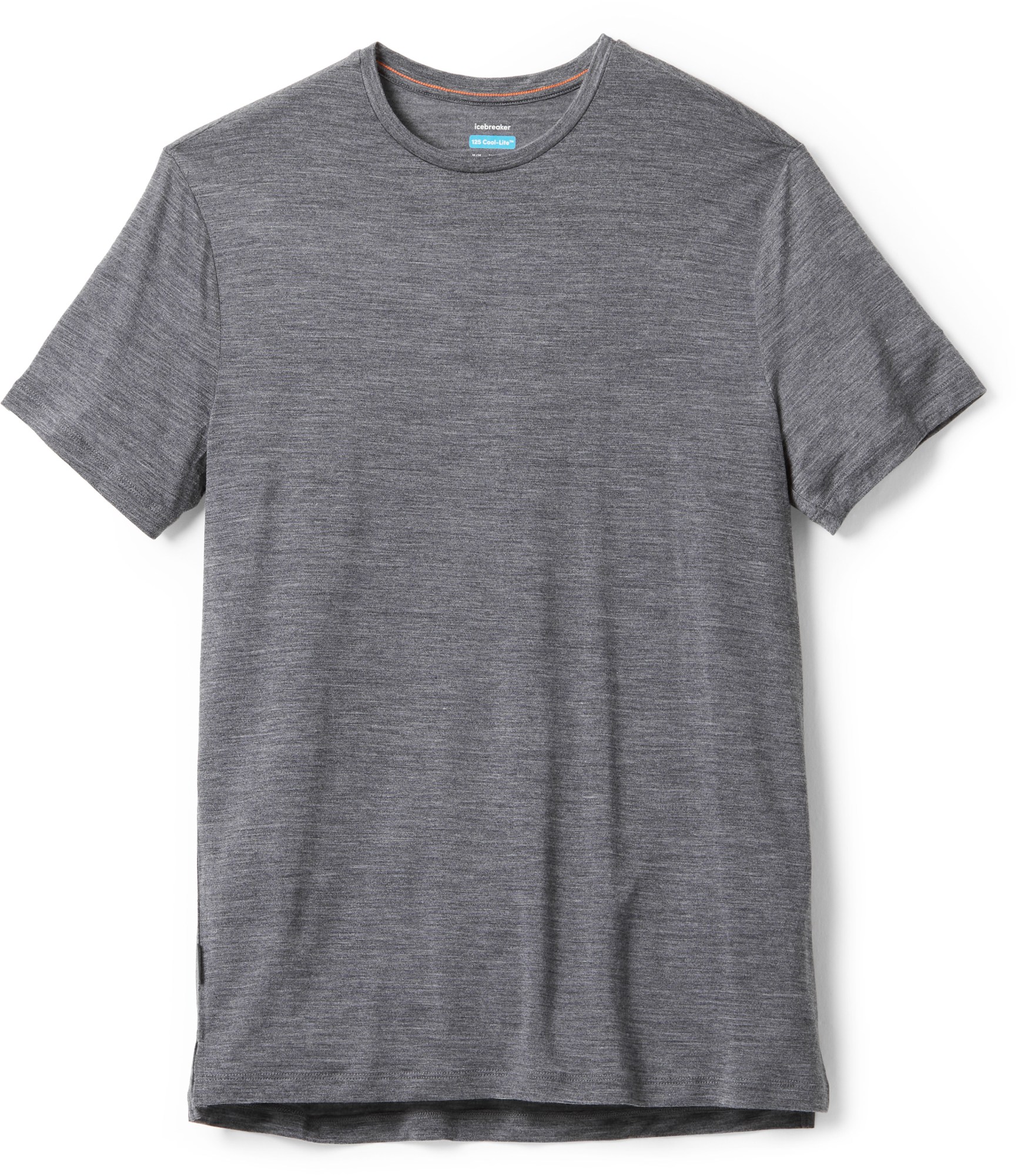
Materials: 60% lyocell, 40% merino wool
Weight: 4.7 oz.
Styles: SS
What we like: Great fit; lightweight; soft.
What we don’t: Not as durable as other alternatives here; pricey.
Combining the natural benefits of merino wool with innovative fabric technology, the Icebreaker Merino 125 Cool-Lite Sphere is another shirt that excels as a top hybrid merino wool hiking shirt. While we don't like it as much as Teren's Traveler Tee or the Smartwool Active Ultralite Short Sleeve Shirt (primarily due to the price for the latter), the shirt's Cool-Lite fabric blends soft merino wool with Tencel Lyocell, enhancing breathability and moisture-wicking properties to keep you cool during intense activities. Additionally, merino wool's natural odor-resistant qualities ensure lasting freshness on gnarly multi-day hikes. The shirt's lightweight design and soft feel against the skin make it a comfortable choice for long treks.
While the Sphere Shirt offers excellent comfort and performance, the blend of merino wool and Tencel may not provide the same durability as some synthetic fabrics, particularly under heavy use or when carrying a backpack. However, for those prioritizing comfort, breathability, and the natural benefits of merino wool, the Icebreaker Merino 125 Cool-Lite Sphere stands out as a stellar choice for hiking and other outdoor pursuits.
See the Icebreaker Merino 125 Cool-Lite Sphere T-Shirt
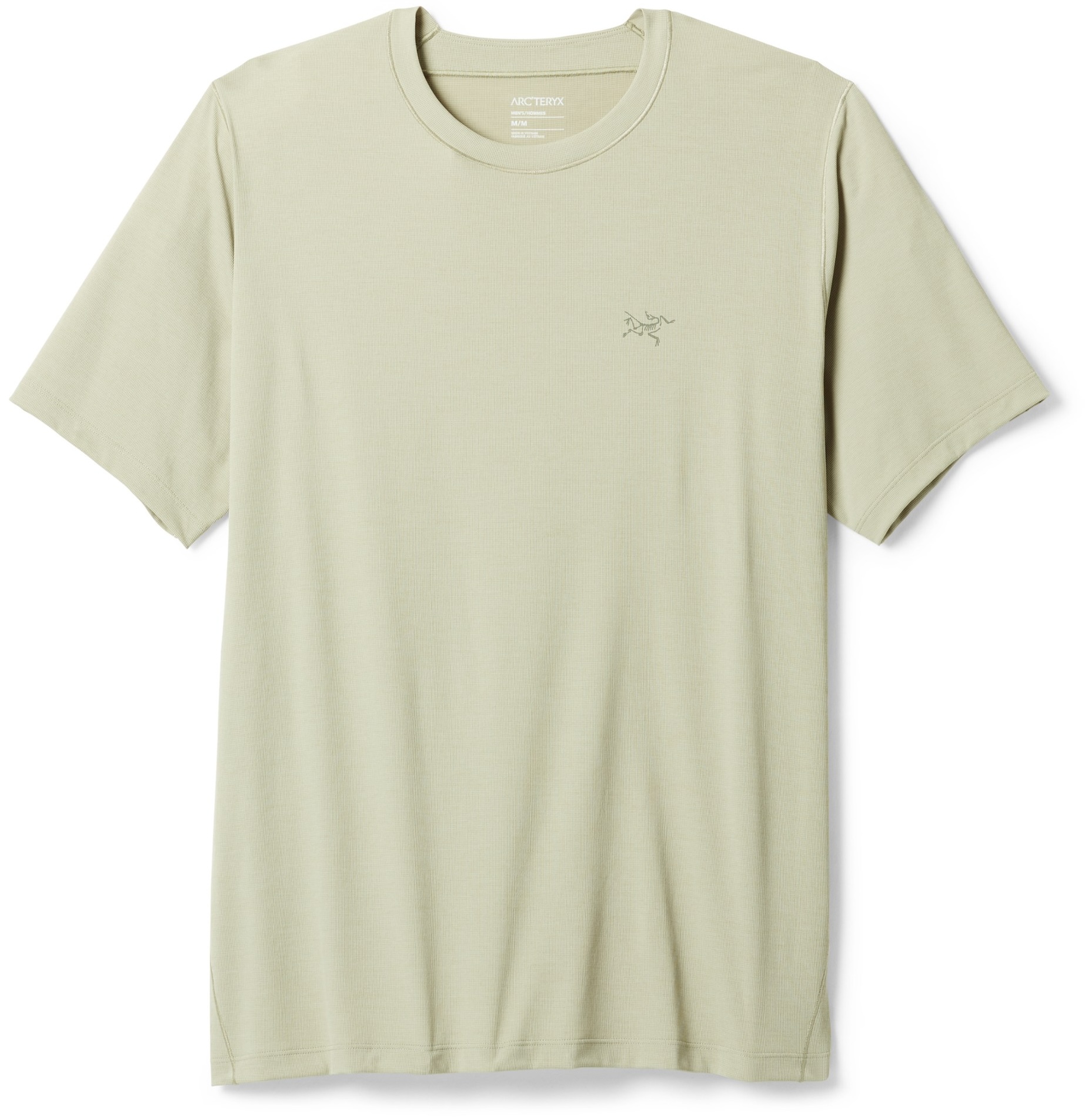
Materials: 100% polyester
Weight: 3.9 oz.
Styles: SS, LS
What we like: Lightweight, breathable, and great UPF protection.
What we don’t: Not the best odor resistance; on the pricey side.
The Arc'teryx Cormac Crew Neck Shirt is technically billed as a running shirt for high-output mountain activities, but it is also an excellent choice for hikers. Crafted with 100% recycled Phasic LT polyester, this shirt excels in moisture-wicking and breathability, ensuring comfort during intense exertion. That aside, the fabric's natural stretch and the shirt's articulated patterning provide unrestricted movement, enhancing overall performance on the trail. Additionally, the shirt offers UPF 50+ sun protection, safeguarding your skin from harmful UV rays during prolonged outdoor exposure.
While the Cormac Crew excels in technical performance, some users have noted that the fabric's odor resistance may not be as robust as that of merino wool alternatives, necessitating more frequent washes during extended use. Additionally, the premium price may be a consideration for budget-conscious hikers. However, for those seeking a high-quality, performance-oriented shirt that balances comfort, breathability, and sun protection, the Arc'teryx Cormac Crew Neck Shirt stands out as a top contender in the hiking apparel market.
See the Arc'teryx Cormac Crew Neck Shirt
One shirt we opted to remove was the Mountain Hardwear Chillaction Long Sleeve Crew, primarily because it was out of stock online. This model stayed on our list for a while, earning the "Most Comfortable Hiking Shirt" award—and it truly was. Designed with soft, textured polyester fabric, it offers a plush next-to-skin feel that sets it apart from traditional hiking tops. The material is also highly breathable and moisture-wicking, keeping you cool and dry on warm days, while just enough weight adds a touch of warmth for shoulder-season hikes. As far as cons, though, the heavier fabric won’t be as airy as ultralight performance shirts, and it has a lower UPF rating than others. Additionally, the materials can develop odor over time, more so than others we tested. All told, while it's tricky to find online, if you can snag one in your size, it won't disappoint.
| Hiking Shirt | Price | Materials | Weight | Styles |
|---|---|---|---|---|
| Patagonia Capilene Cool Daily T-Shirt | $59 | 100% polyester | 4.5 oz. | SS, LS, hoody |
| REI Co-op Sahara Shade T-Shirt | $40 | 91% polyester, 9% spandex | 5.6 oz. | SS, LS, hoody |
| Black Diamond Distance SS Tech Tee | $69 | 100% polyester | 3.1 oz. | SS, LS |
| OR Astroman Long Sleeve Sun Shirt | $120 | 85% nylon, 15% spandex | 6.3 oz. | LS, SS, hoody |
| Black Diamond Alpenglow Hoody | $109 | 87% polyester 13% elastane | 8.6 oz. | Hoody, LS |
| Teren Designs Traveler Tee | $90 | 100% merino wool | 4.4 oz. | SS, LS |
| Rab Syncrino Ridge Tee | $70 | merino/polyester blend | 4.4 oz. | SS |
| Paka Essential Tee | $59 | 85% Pima cotton, 15% alpaca fiber | 5.2 oz. | SS |
| Smartwool Active Ultralite SS | $70 | 53% merino wool, 47% Tencel lyocell | 4.2 oz. | SS, LS |
| Icebreaker Merino Cool-Lite Sphere | $90 | 60% lyocell, 40% merino | 4.7 oz. | SS |
| Arc'teryx Cormac Crew Neck Shirt | $70 | 100% polyester | 3.9 oz. | SS, LS |
Senior editor Chris Carter assembled this round-up in early 2025, including only the best of the best. A seasoned thru-hiker, Chris has completed the Triple Crown of U.S. long trails (AT, PCT, and CDT) and continues to trek and explore around the world. He's worn well-earned holes in more hiking shirts than he can count and knows the importance of a solid shirt for tackling any trail.
We considered a range of key factors when selecting the best hiking shirts. At the core, our top picks excel at wicking moisture, promoting airflow, and allowing for unrestricted movement on the trail. They also resist odor buildup between washes, provide reliable sun protection with built-in UV resistance, and hold up well against common durability concerns like snags and pilling. Fit is highly personal, but we prioritize flattering, non-restrictive designs with a hem long enough to stay tucked under a backpack hipbelt or climbing harness. As new models hit the market, we’ll continue testing and refining our selections to ensure this guide highlights the best options available.
.jpg)
Synthetics (Polyester and Nylon)
Most hiking shirts—like our top-rated Patagonia Capilene Cool Daily Graphic T-Shirt—are crafted from polyester, a material known for its soft, comfortable texture and impressive breathability. It is lightweight, moisture-wicking, and dries quickly, while maintaining excellent abrasion resistance for its thickness. Additionally, polyester effectively blocks a significant amount of UV radiation, making it suitable for sun-drenched outings. Some options, like the Outdoor Research Astroman Long Sleeve Sun Shirt, feature nylon, which offers a slightly stiffer and more durable feel but falls short in terms of comfort and moisture-wicking performance compared to polyester. One notable drawback of both materials is their tendency to retain odors; however, many contemporary hiking shirts now come with odor-resistant treatments to help combat this issue. Overall, for warm-weather hikes and water-based activities, synthetic hiking shirts are the clear frontrunners.
.jpg)
Merino Wool
Merino is hands down our favorite material for cold-weather baselayers and hiking socks thanks to its warm, breathable, soft, and antimicrobial nature. From time to time, we also love it as the key material in our hiking shirts, with a few caveats. While merino wool is renowned for its insulating properties, it can be a bit too warm for hot weather, so it's crucial to choose a lightweight option. This can be tricky when shopping online, but generally, shirts with lower fabric weights (often measured in grams per square meter, or gsm) will feel lighter. Additionally, blended fabrics incorporating polyester, nylon, or lyocell (such as the Icebreaker Merino 125 Cool-Lite Sphere T-Shirt) can enhance the shirt's overall lightness. One of our favorite merino wool blends is found in the Rab Syncrino Ridge Tee. Blended with polyester, the merino wool wicks moisture well, but the shirt tips the scale at a scant 4.4 ounces and is ventilated. We've also been loving the 53% merino wool, 47% Tencel lyocell blend of the Smartwool Active Ultralite Short Sleeve Shirt for a solid, breathable, comfy combo on trail.
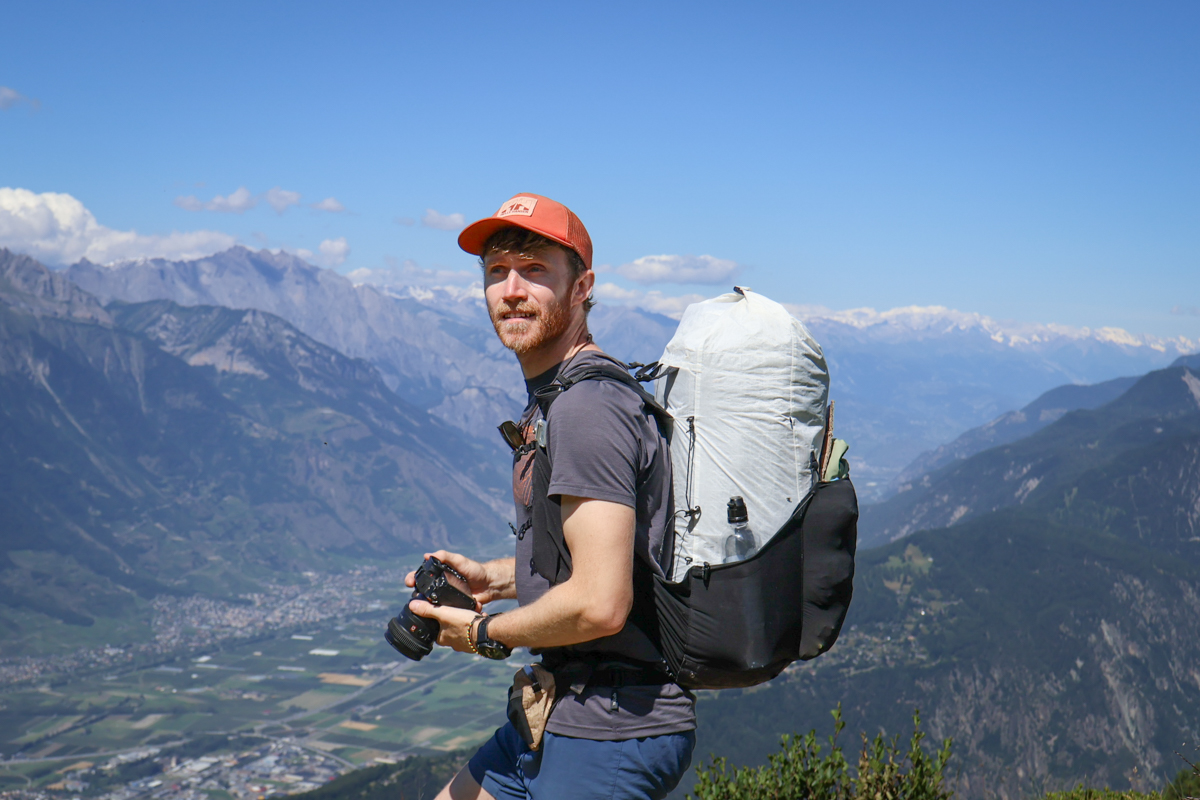
One important consideration is that merino absorbs more moisture than synthetic materials, which can make it heavy and slow to dry—not ideal for wet or sweaty conditions. However, it does provide insulation even when damp. Lastly, merino wool is not the most durable option, so we recommend seeking out blended fabrics over pure merino if you anticipate hiking in areas with high abrasion. Despite these caveats, we often reach for our merino hiking shirts for multi-day trips. Our favorite fully-merino shirt for these types of trips is the Teren Designs Traveler Tee. Teren offers a laid-back aesthetic compared to technical synthetics—making it a great crossover trail-to-town shirt. It also feels incredibly soft against the skin and boasts unmatched odor resistance.
.jpg)
Cotton
Cotton is rarely seen in outdoor apparel, and hiking shirts are no exception. In fact, there's a well-known saying: "cotton kills." The reasoning is simple: cotton absorbs moisture and dries slowly. Unlike merino wool, it fails to provide insulation when wet, which can be a perilous combination for backpacking—particularly in alpine environments or during transitional seasons when temperatures can drop rapidly. That said, cotton can work for day trips in dry, sunny locations like an arid desert, where some hikers appreciate its cooling properties (just getting it wet can provide a refreshing effect throughout the day). Plus, cotton is soft, comfortable, and offers decent breathability, especially in thinner fabrics. Cotton also tends to deteriorate faster than synthetic fabrics or merino wool. The closest option to a cotton shirt we feel comfortable recommending is the Paka Essential Tee, a blend of alpaca fiber and organic Pima cotton. While the cotton prevents this from being our pick for high-intensity adventures, the alpaca fibers give this shirt enough performance chops for light activity in mild climates, and the cozy cotton makes it one of our favorites to wear while hanging around basecamp.
.jpg)
Many of the shirts mentioned are available in various styles, including tank tops, short-sleeve (SS), long-sleeve (LS), and hoodie options. Generally, a short-sleeve t-shirt is the most versatile choice for hiking—providing enough airflow to keep you cool on warm days while offering adequate coverage to protect your shoulders from sunburn and chafing from pack straps. However, each style has its advantages. Tank tops are ideal for those seeking maximum ventilation and who don’t mind some sun exposure. We've done a good deal of hiking in tanks, but wouldn't recommend it unless you apply copious amounts of sunscreen. We didn't list any in this round-up because we just haven't gotten any models out recently that we like. But that doesn't mean they aren't out there. Patagonia does make a sleeveless version of their Capilene Cool Daily Shirt. Conversely, long sleeves and hoodies enhance sun protection by providing additional coverage and higher UPF ratings, often with relaxed fits that promote airflow.
.jpg)
Some hikers prefer button-up shirts, available in both short- and long-sleeve styles. Beyond their aesthetic appeal, button-ups offer a distinct advantage in terms of ventilation. In addition to front venting created by gaps between buttons or snaps, many designs feature rear ventilation to increase airflow. However, button-ups aren’t our first choice for layering, as the snap panel can be bulky under a snug baselayer or fleece jacket, and they can be uncomfortable for sleeping. Despite these drawbacks compared to standard t-shirts, they provide excellent sun protection—particularly in long-sleeved versions—while also promoting natural cooling, making them a solid option for outdoor activities.
.jpg)
Regardless of the season, a good hiking shirt should wick moisture, promote airflow, and move with you. For hot-weather hikes, lightweight polyester options like the Patagonia Capilene Cool Daily excel—they’re highly breathable, airy, and dry significantly faster than materials like merino wool, lyocell, or heavier nylon. While natural fibers are excellent at wicking moisture, they also absorb it, leading to longer drying times (and in the case of merino, its insulating properties can feel too warm in high temperatures). Nylon, on the other hand, falls short in both breathability and ventilation, making it less ideal for heat but a good choice for moderate conditions or when extra durability is needed.
.jpg)
It's also worth considering how a shirt's fit and features can improve ventilation. Free-flowing shirts can feel much better in warm weather than snug-fitting designs, and most of the shirts on our list are fairly loose. While we aren't the biggest fans of how loose the Patagonia Capilene Cool Daily and Black Diamond Distance SS Tech Tee fit, they are breezy. A boon for long hot slogs. Button-up shirts also boost airflow with built-in ventilation at the front (between the buttons/snaps) and a neckline that can be lowered to let more air in. And, as mentioned above, most also feature venting at the back.
Warmth isn’t typically a priority when choosing a hiking shirt—breathability and coverage take center stage. That said, all fabrics provide some degree of insulation, which is worth considering when making a purchase. Synthetic materials and natural fibers like lyocell are designed to retain minimal heat and, in some cases, even offer cooling benefits (a trait we’ve noticed in many sun hoodies). Merino wool, on the other hand, is naturally insulating and adds a noticeable layer of warmth, even in lightweight variations—especially when you’re generating body heat (as we’ve experienced with shirts like the Teren Traveler Tee). Because of this, merino isn’t the best choice for hot, sunny conditions, but in mild weather, it strikes a nice balance between warmth and breathability.
.jpg)
A fabric's weight can also be an important spec to consider, especially when discerning between similar designs. This is often given in grams per square meter (g/m2 or gsm) or ounces per square yard. Unfortunately, this isn't a foolproof strategy: Not every shirt specifies a fabric weight, and it doesn't perfectly align with warmth due to variations in fit and material (especially with blended materials). For ultralight backpackers, a lightweight hiking shirt is a core consideration for keeping base weight and pack bulk to a minimum. Our cherished Capilene Cool Daily T-Shirt strikes the best balance of durability, packability, and weight for us in just about any hiking scenario.
.jpg)
One downside of synthetic fabrics is their tendency to retain odors—an unfortunate trait when sweat is inevitable on the trail. To combat this, many modern synthetic sun shirts incorporate anti-odor treatments. For example, Patagonia’s Capilene Cool Daily uses HeiQ Mint, a plant-based odor-control finish developed with HeiQ, while the Black Diamond Alpenglow Hoody features a Polygiene treatment to help minimize stink. These technologies are generally effective, which is a win for everyone. However, if you prefer to avoid chemical treatments, natural fibers like merino wool naturally resist odors without any added finishes.
.jpg)
Most hiking shirts come with a UPF rating, which measures how much UV radiation the fabric blocks. For example, a UPF 50 rating means only 1/50th (or 2%) of UV rays can penetrate the material, while a UPF 30 rating allows 1/30th to pass through. Ratings range from UPF 15 at the lower end to 50+ for maximum protection. For reference, UPF 30 meets the Skin Cancer Foundation’s minimum recommendation for sun-safe clothing. Layering your clothing will naturally increase protection, and while we’ve yet to hear of anyone getting sunburned through a hiking shirt, those prioritizing maximum sun defense should look for higher UPF ratings.
.jpg)
A hiking shirt’s UPF rating is influenced by several factors, including fabric thickness, color, fiber type, and whether it has been treated with a UV-resistant additive. Polyester and nylon tend to block UV rays more effectively than wool or cotton, and darker colors generally offer better protection than lighter shades—though this isn’t always a hard rule. Some brands, like Patagonia, enhance UV resistance by incorporating titanium dioxide into the yarn, the same active ingredient found in many reef-safe sunscreens. This approach allows manufacturers to create lightweight, breathable fabrics without compromising on sun protection.
.jpg)
Durability varies widely among hiking shirts—some are rugged enough for bushwhacking and heavy use, while others are so lightweight they’re prone to snags and tears. Nylon is the most abrasion-resistant, as seen in shirts like the Outdoor Research Astroman, followed by polyester, which is less durable but still holds up well. A single polyester Patagonia Capilene Cool Daily T-Shirt lasted our author over 5,000 miles of gnarly use on recent thru-hikes, with only a few holes on the shoulders to speak of at the end. Merino wool, on the other hand, is far more delicate and tends to wear down quickly with frequent use. Natural fibers like lyocell, bamboo, and modal fall somewhere in between and, when blended with polyester or spandex, are generally durable enough for hiking and backpacking. Lastly, thicker fabrics tend to be more tear-resistant than ultra-thin materials, though all fabric weights can be susceptible to pilling and snagging over time.
.jpg)
Most hiking shirts are straightforward by design, with many offering a few extra features. Take the Patagonia Capilene Cool Daily, for instance—it’s a no-frills t-shirt, plain and simple. That said, even minimalist designs often include thoughtful details, like streamlined stitching or offset seams to prevent chafing under a pack. On the other end of the spectrum, shirts like the Outdoor Research Astroman Long Sleeve Sun Shirt come with more built-in functionality, including snap-button closures and a chest pocket. Sun hoodies often feature thumb loops and a hood, providing extra coverage and comfort on exposed trails.
_0.jpg)
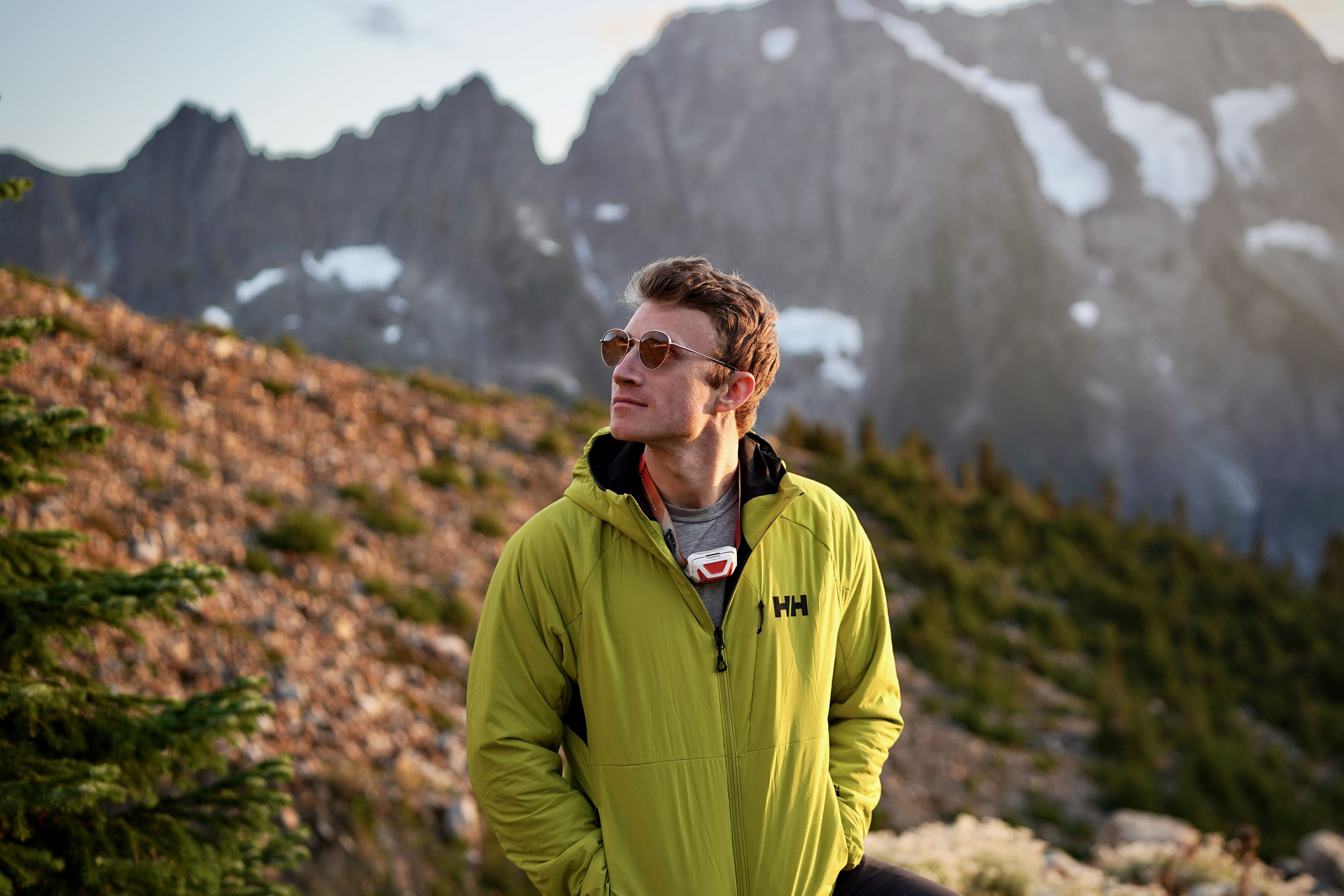
When evaluating hooded hiking shirts, there are a few key factors to keep in mind. Size is the most important—consider whether you’ll be wearing the hood over your bare head, a ball cap, or even a climbing helmet. Some designs also include a drawcord adjustment, which can be useful in windy conditions, though we’ve found we rarely need it. If your hood tends to shift around, wearing a hat underneath can help keep it in place, preventing it from falling forward into your face while also adding a bit of friction to secure it during gusty winds or fast-paced hiking.
.jpg)
Hiking shirts typically come in two primary fit styles: regular (or relaxed) and trim (or slim). Regular-fit shirts may have a slight taper at the waist but are designed to drape loosely rather than hug the body. In contrast, trim-fitting shirts are often made with stretchy fabrics and are tailored for a closer fit—not skin-tight, but designed to follow the body’s natural shape. Button-up hiking shirts also tend to lean toward a relaxed fit, but there’s still variety within the category. For instance, the Outdoor Research Astroman Long Sleeve Sun Shirt features a more tailored cut than options with a relaxed fit, for enhanced airflow and mobility.
.jpg)
Hiking shirts with built-in stretch are a go-to choice for many outdoor enthusiasts—and for good reason. They provide exceptional comfort and allow for unrestricted movement, whether you're scrambling over rocky terrain or crouching at camp to cook a meal or set up your backpacking tent. There are two main ways stretch is incorporated into a shirt’s design: fabric blends with elastane (spandex) and mechanical stretch woven into the fabric itself. Shirts with elastane tend to offer the most noticeable elasticity—like the REI Co-op Sahara Shade T-Shirt—while those made entirely of polyester or merino wool still provide a good amount of natural flex, as seen in the Patagonia Capilene Cool Daily Graphic T-Shirt. Even if a brand doesn’t explicitly advertise stretch, most hiking shirts have some inherent flexibility. While not a must-have, a soft, forgiving fabric can be a welcome luxury on the trail, making long days in the backcountry even more enjoyable.
.jpg)

_083fa.jpg)
5c19.jpg)
sb34c.jpg)
c9f6.jpg)
-tfe3e.jpg)
_099a8.jpg)