Photo Credit
As hiking footwear moves away from bulky boots towards lightweight trail runners, hiking shoes have become increasingly streamlined. They’re often made with similar materials as mid-height boots, but a lower collar and emphasis on flexibility make hiking shoes easier to break in while still providing plenty of stability for most uses. And for shoulder-season hikes, stream crossings, or muddy outings, waterproof hiking shoes can be an excellent choice. Modern waterproof membranes and materials add negligible weight to the shoe and are more breathable than in years past. Our team of backpackers and hikers tested a range of waterproof hiking shoes (including some crossover trail runners) to find the most breathable, reliably waterproof, and comfortable options for ventures from fast-and-light outings to multi-day backpacking trips, and our top choice is Salomon's X Ultra 5 GTX. For more background information, see our comparison table and buying advice below the picks, along with details about our testing process. If you prefer the added coverage and support of a mid-height design, we've also put together a round-up of the best waterproof hiking boots.
Editor's note: We updated this guide on February 13, 2026, to add a few new shoes to our list that stood out in testing, including the Scarpa Ribelle Run 2 GTX, Altra Lone Peak 9+ GTX, and Oboz Katabatic LT Low GTX. We also included the latest versions of the Brooks Cascadia, Saucony Peregrine, and Hoka Challenger GTX. Finally, we swept the guide to ensure all information was up to date at the time of publication, and included a section after the picks detailing what shoes we've tested but decided to dismiss from the list.
Category: Hiking shoe
Weight: 1 lb. 10 oz. (men's), 1 lb. 6 oz. (women's)
What we like: Great balance of weight and on-trail performance.
What we don’t: Not quite comfortable out of the box; Quicklace system can make it tough to dial in fit.
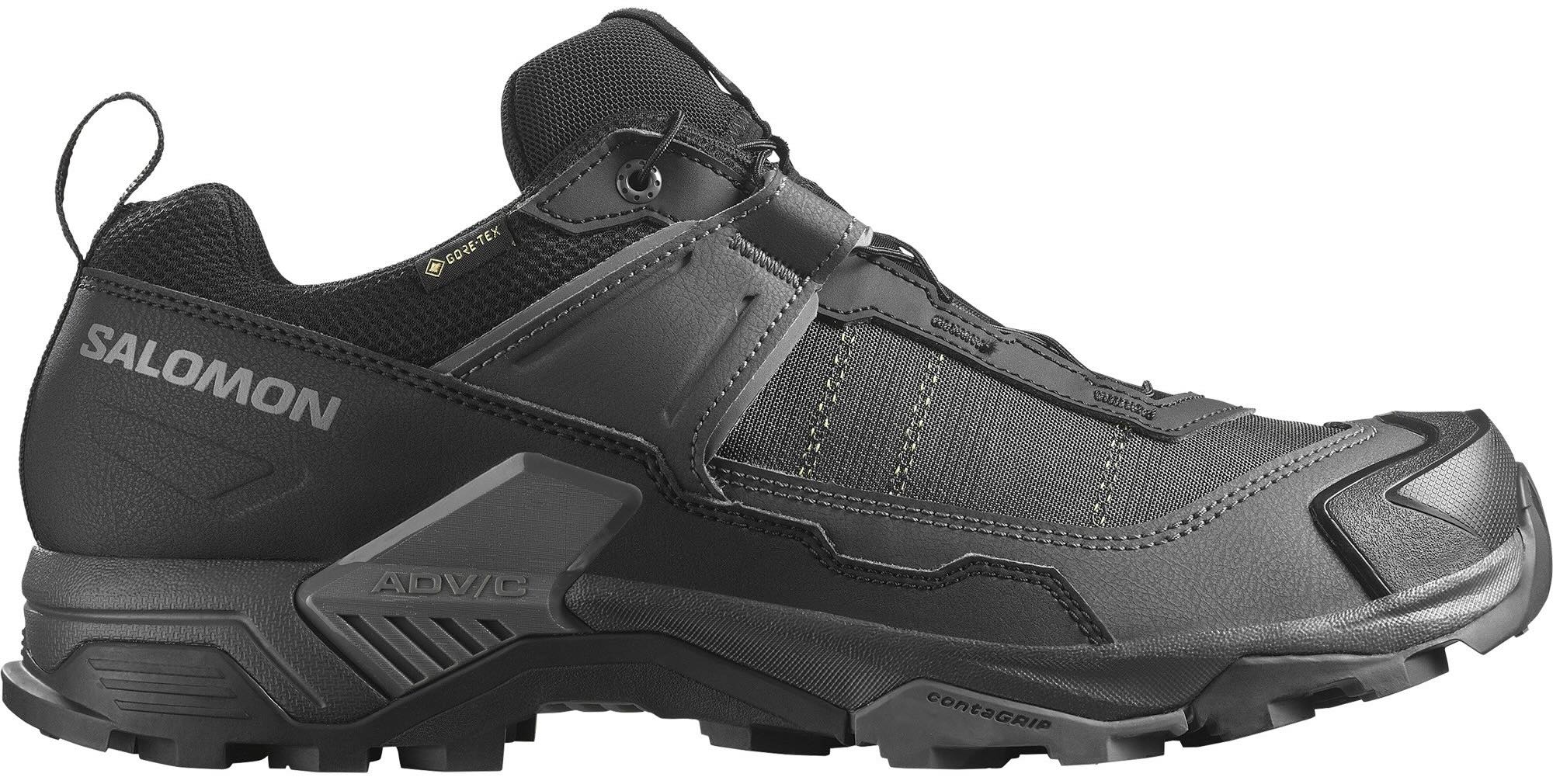
Salomon’s X Ultra has been one of our favorite hiking shoes for years, and the fifth iteration of this classic offers a redesigned and Kevlar-reinforced upper and continues our top-rated combo of trail performance and durability. The 5 keeps the 4’s revised lacing system and chassis while dropping a few ounces, and the softer ankle padding and higher collar are positive upgrades for long missions. The X Ultra hasn't lost its mix of agility, support, durability, and protection, and while it isn't as plush as Hoka's offerings, the midsole provides adequate cushion and protection when hiking over rocky terrain. And we have only good things to say about the outsole, which provides decent grip on a variety of terrain. Put together, the X Ultra 5 is a great all-around choice that can tackle most established trails and keep up on off-trail wanderings, too.
However, he fit won't be for everyone. Though a wider forefoot is noticeable in this update, we still found it narrow out of the box, and it took a few days of consistent use for the fabric to stretch. We also found that the Quicklace system makes it tricky to dial in a snug fit (we prefer traditional laces), and we had to stop a few times on the trail to adjust them. Those with sensitive feet may also want to consider trading out the insole for softer support on long-distance days—we like adding a Superfeet insole. But overall, our impressions of the X Ultra 5 have been positive. While we know many folks miss version 3 of this shoe (4 was a pretty big disappointment), we still feel that this 5th iteration is a high-quality, reliable waterproof hiking shoe for technical hiking and lighter backpacking.
Read more: Salomon X Ultra 5 Gore-Tex review (women's version)
See the Men's Salomon X Ultra 5 Gore-Tex See the Women's Salomon X Ultra 5 Gore-Tex
Category: Hiking shoe
Weight: 1 lb. 11.9 oz. (men's), 1 lb. 7.6 oz. (women's)
Waterproofing: Keen B.Dry
What we like: An inexpensive hiking shoe with responsive cushioning.
What we don’t: The collar can cause ankle rubbing; less toe protection than in other Keen shoes.
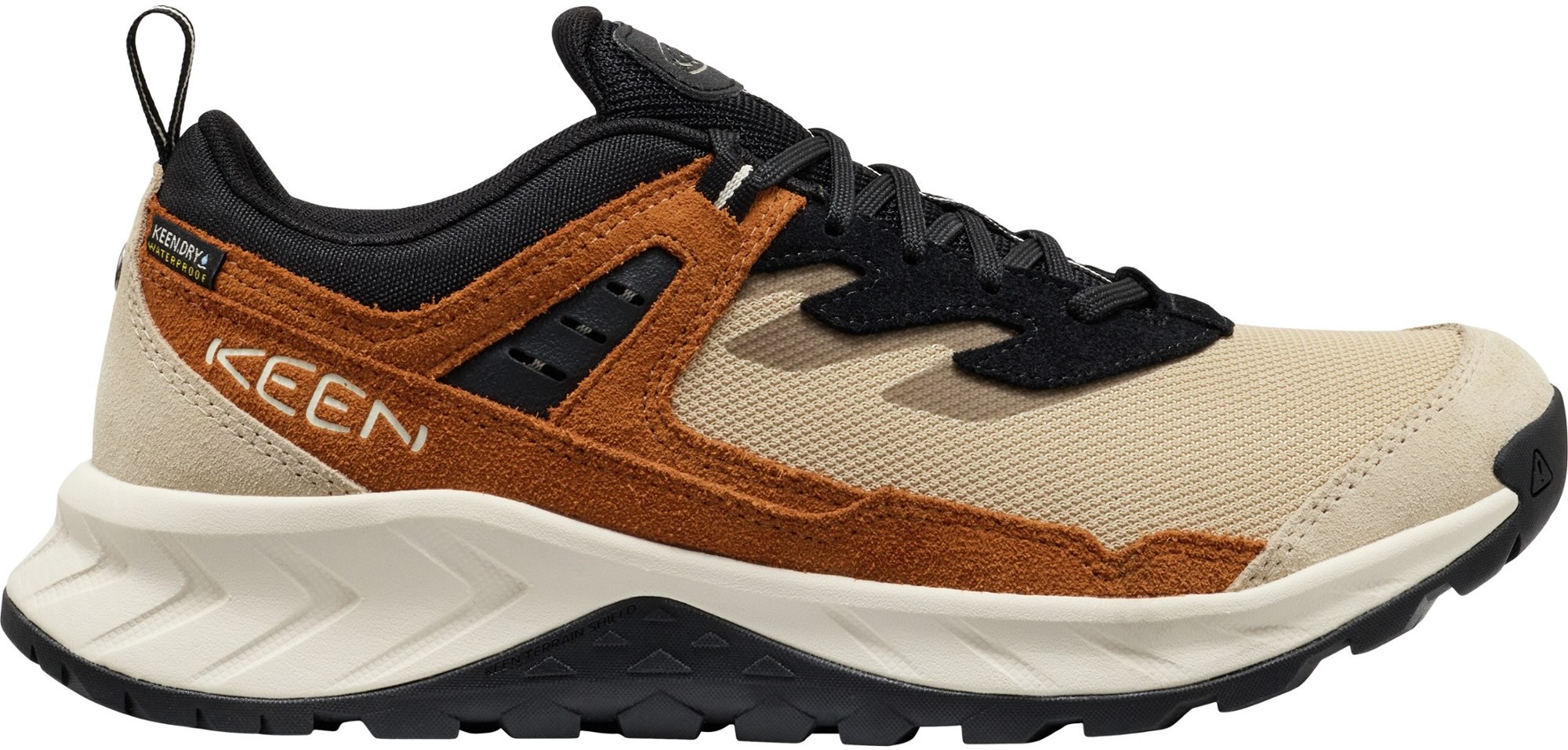
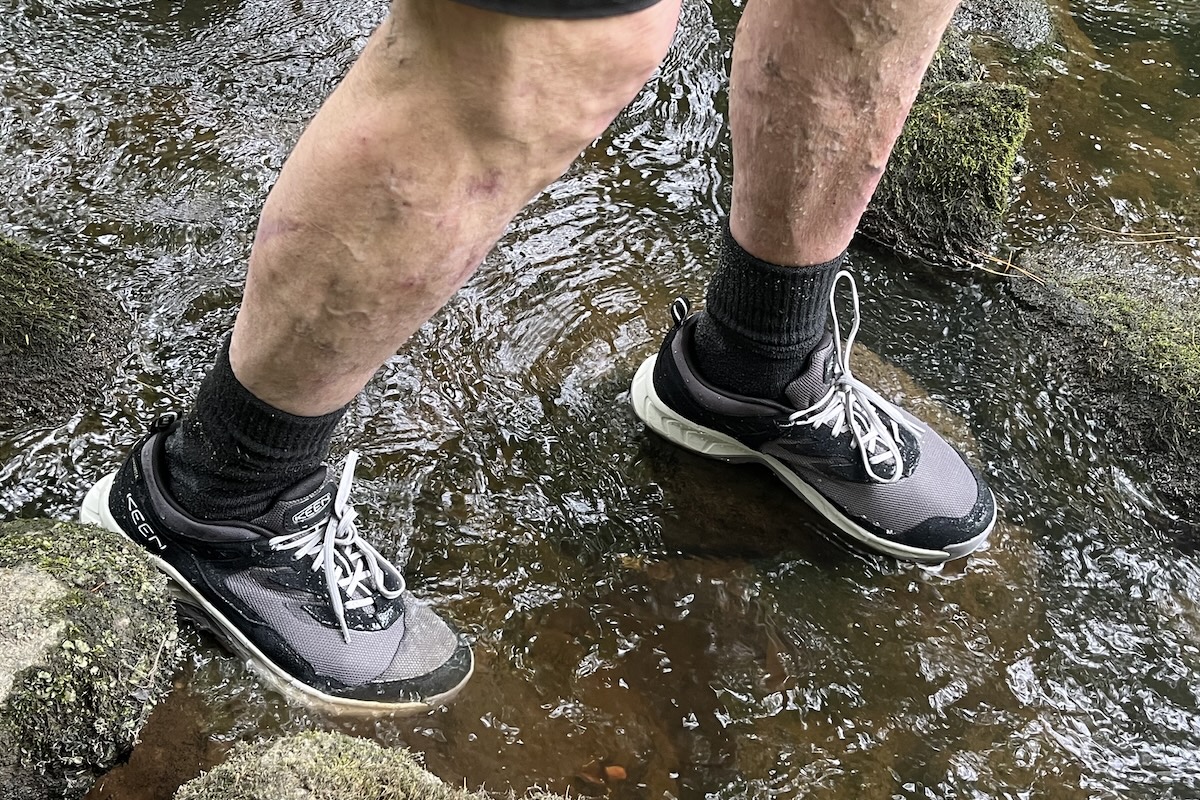
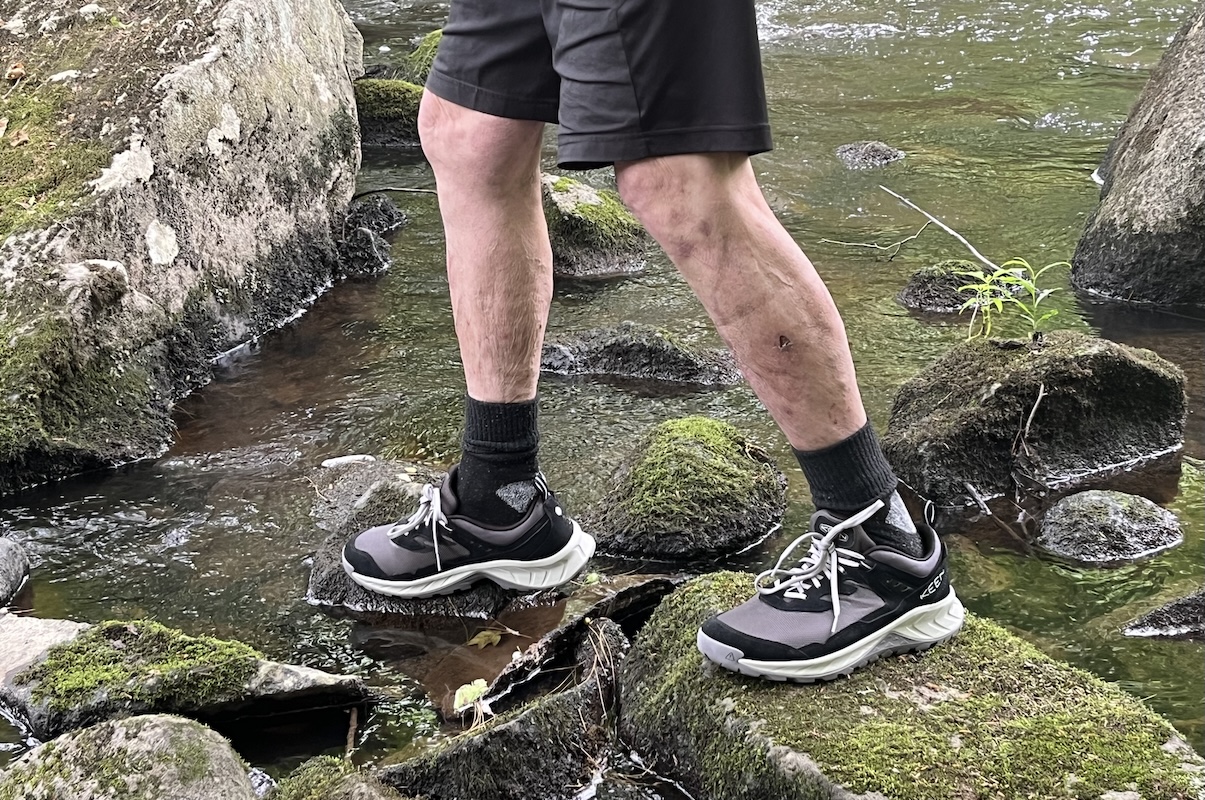
The Hightrail is an alternative to Keen's classic Targhee, featuring a modernized silhouette that retains the brand's signature traction and midsole in a lighter package. We appreciate the streamlined look, which isn’t always the case for shoes at this price. The molded footbed provides good arch support, and the Nubuck leather in the upper adds durability. And we have no gripes with the outsole, which is competitive with top-market designs and was reliable on both wet and dry trails. What’s more, the high-rebound midsole provides a great amount of cushion, and our feet didn’t feel fatigued when testing.
Keen made a few concessions to keep costs down, such as opting for its proprietary B.Dry membrane rather than a premium brand like Gore-Tex. But in our experience, the Hightrail is very reliable on wet trails, and breathability isn’t sacrificed too much in the effort. It also doesn’t have the same secure, foot-wrapping support as our top-ranked Salomon X Ultra 5 GTX, but it still proved plenty sturdy for established trails. Lastly, it’s worth noting that we experienced some ankle irritation from breaking in the collar, and the Hightrail doesn’t offer the most toe protection (especially compared to other Keen shoes), so you’ll want to be careful not to kick roots or rocks. But if you’re planning to stick to groomed trails and need a more budget-friendly shoe, the Hightrail is a great choice.
See the Men's Keen Hightrail Waterproof See the Women's Keen Hightrail Waterproof
Category: Trail running shoe
Weight: 1 lb. 6.1 oz. (men's), 1 lb. 2 oz. (women's)
What we like: A light trail shoe that doesn't skimp on underfoot cushioning and deep tread.
What we don’t: Not everyone wants a super thick midsole.
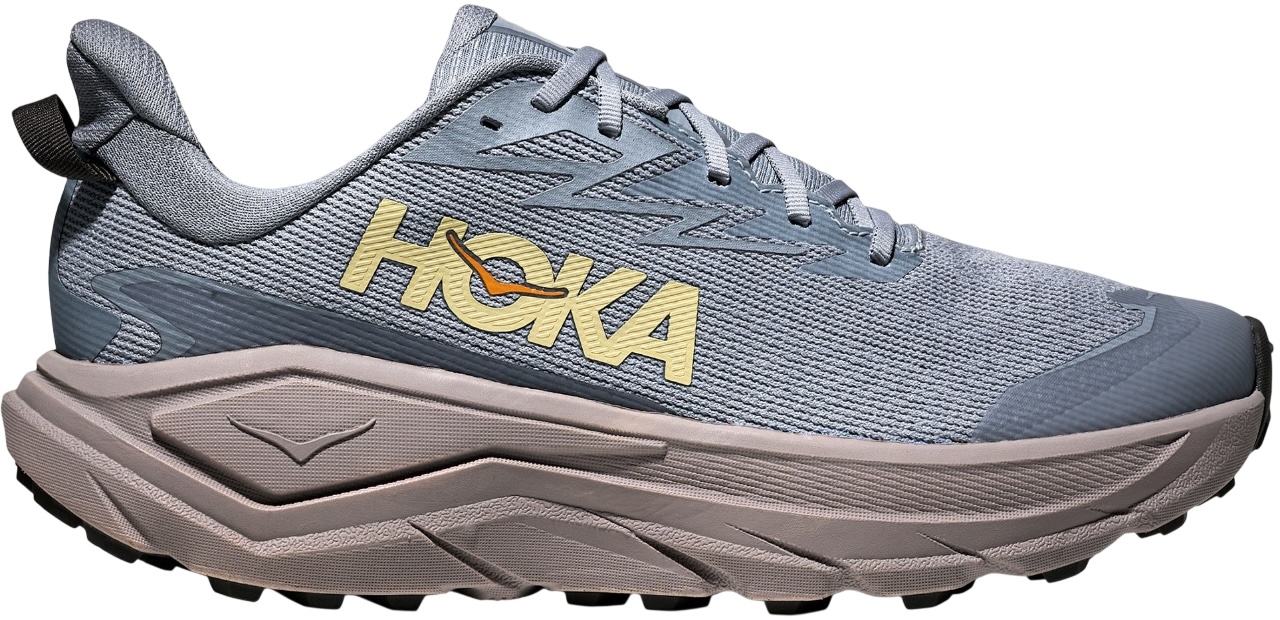
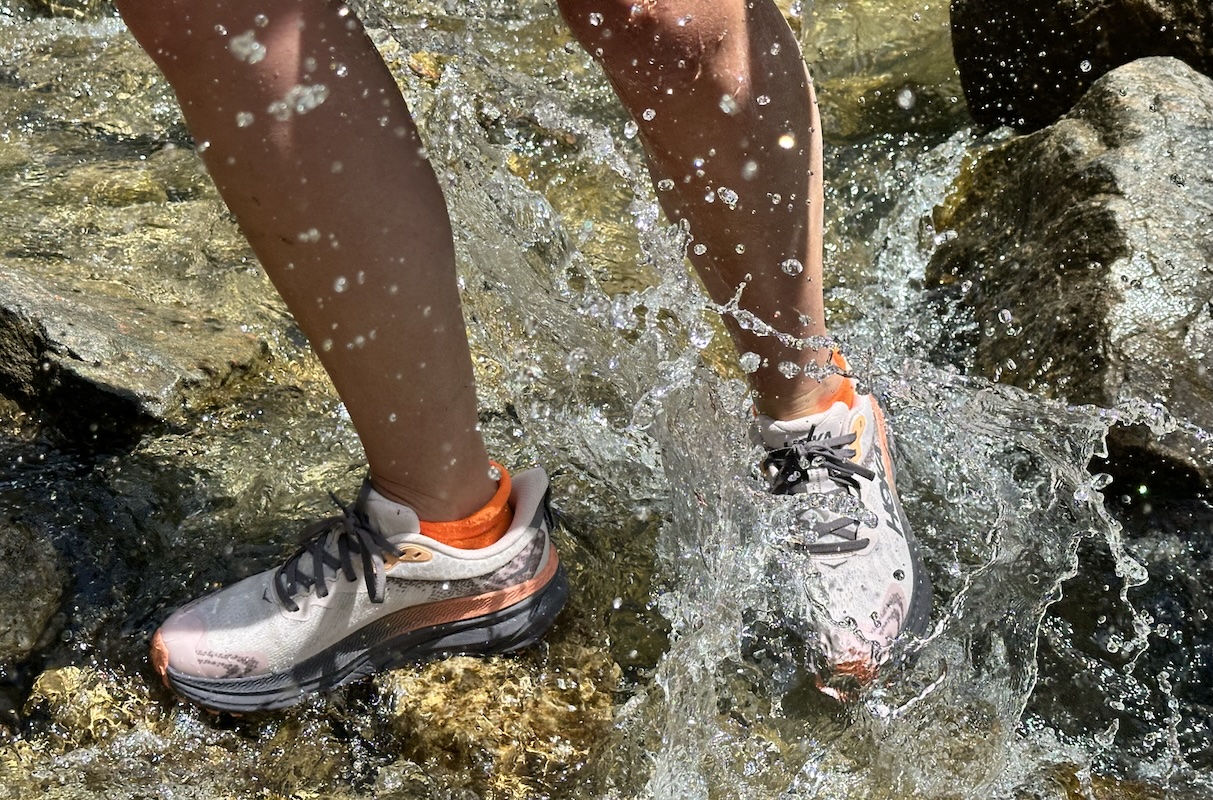
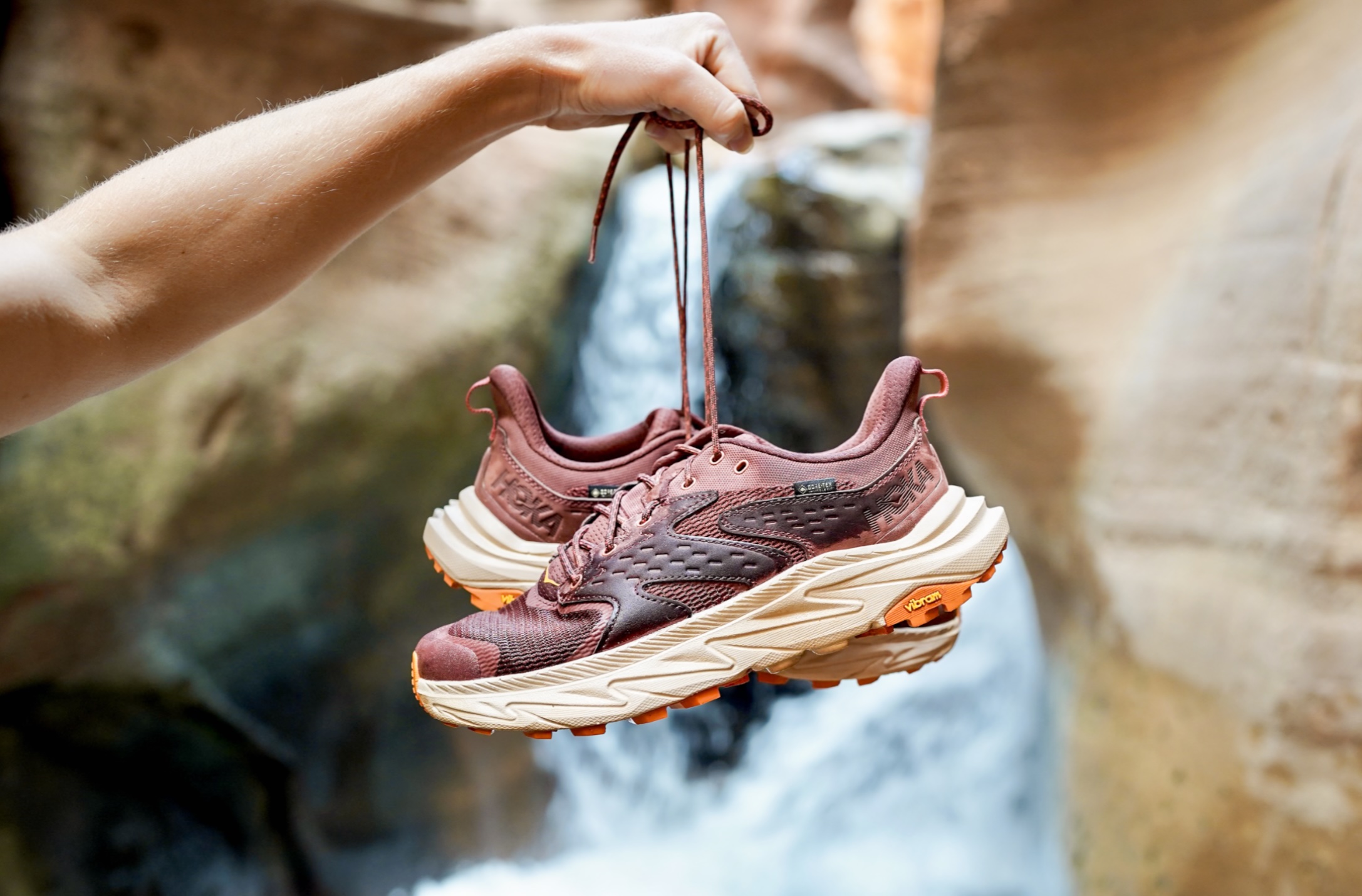
Hoka’s Challenger series is among our favorite lightweight shoes, and the 8th iteration continues to impress us. In fact, it’s one of our testers’ go-to shoes for her finicky feet, and she loves it for short backpacking trips and trail hikes of all kinds. The latest version retains Hoka’s iconic, generous midsole but adds more foam padding to improve fit around the forefoot and instep, which was one of our issues with the previous version. The heel-to-toe drop has also doubled in this version (8mm), providing more cushion for heel-strikers. And a reorientation of the lug pattern on the outsole provides better traction over a range of terrain. Though these upgrades add a few ounces to the previous version, we think they’re well worth it.
The Challenger is an interesting shoe, though. While it excels as a crossover between road and trail running, it doesn't specialize in either discipline. The 4-millimeter lugs don't bite hard enough for super steep trails or loose tread, and some people might find the lug patterning too aggressive for efficient road runs. The thick midsole is also polarizing, and some may prefer a more grounded design like the Altra Lone Peak 9+ below. We also haven’t had the best luck with Hoka’s durability in the past, especially in the midsole rubber. We’re still in the early stages of testing the 8, but we’ll report back once we’ve logged some more miles. Our history with the series is long, however, and we’re confident in recommending them to those looking for a lightweight shoe that can take them from the road to soggy trails and damp gravel backroads.
See the Men's Hoka Challenger 8 GTX See the Women's Hoka Challenger 8 GTX
Category: Trail running shoe
Weight: 1 lb. 6.8 oz. (men's), 1 lb. 4 oz. (women's)
What we like: A lightweight, technical trail runner with hiking shoe support.
What we don’t: Tends to run narrow; expensive.
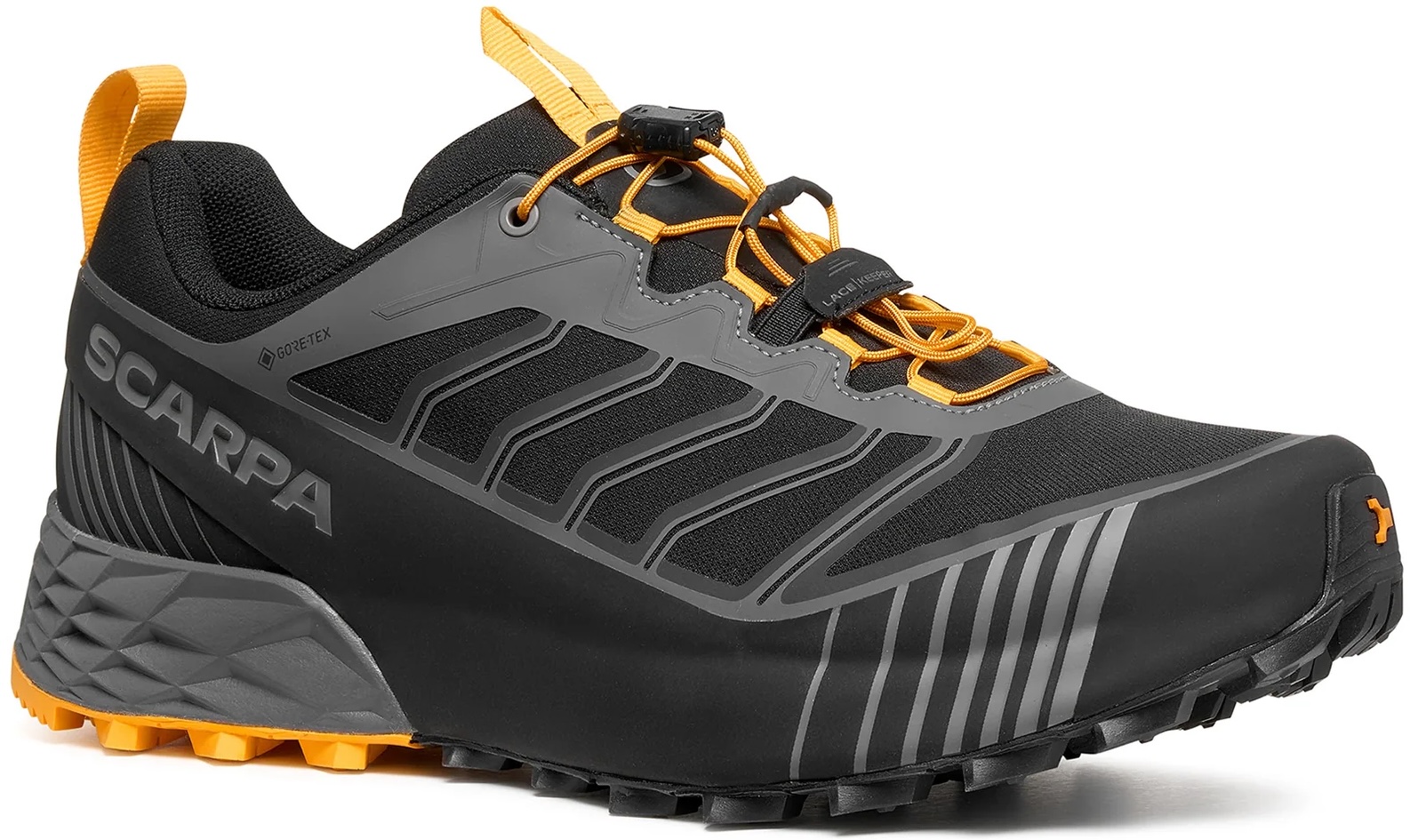
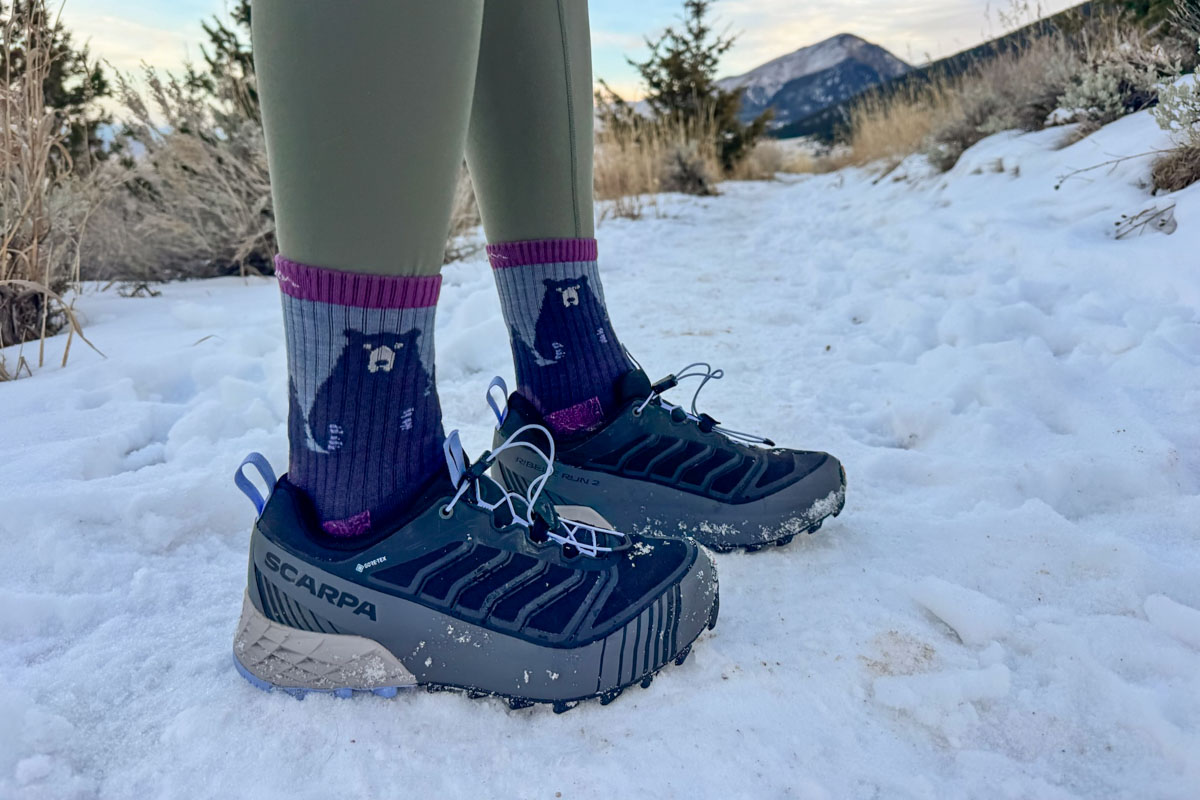
For technical missions like scrambling, we like a nimble yet supportive shoe with a trustworthy outsole. In recent testing, Scarpa’s Ribelle Run 2 GTX has impressed us in this category. Though it weighs less than some of the other trail runners here, the Ribelle Run 2 offers the underfoot support and upper wrap of a true hiking shoe without sacrificing cushion or flex. Scarpa achieves this with their climbing-shoe oriented tensioned rand, which is anchored under the heel and toe to provide stride power, precision, and support without added weight. Scarpa calls this a moderate-cushion shoe, but the 24.5mm heel stack feels more cushioned than Altra's similar-height Lone Peak. And the “Super Gum” outsole is just as sticky as it sounds, giving us plenty of confidence to tackle tricky terrain. The cinch-lacing (similar to Salomon's QuickLace) rounds out the streamlined design that feels as comfortable hiking on technical terrain as it does on a trail run.
But a shoe that toes the line this strongly does compromise in a few areas. The added structure and support through the upper make for a narrower fit that won’t work for all hikers. And the underfoot stiffness might also not be the most comfortable for all-day outings. That said, the Gore-Tex waterproof membrane is as breathable as one can hope for with a waterproof shoe, and reliable in everything from slush to shallow creek crossings. The Ribelle is pricier than many of the trail runners in this list, though it feels very durable and likely to last longer than the less expensive designs. Runners with finicky feet will likely prefer the more flexible and softer Hoka Challenger, though for the best of both worlds in technical terrain and underfoot rebound, the Ribelle Run 2 is hard to beat.
See the Men's Scarpa Ribelle Run 2 GTX See the Women's Scarpa Ribelle Run 2 GTX
Category: Trail running shoe
Weight: 1 lb. 8.8 oz. (men's), 1 lb. 4 oz. (women's)
What we like: A backpacker favorite thanks to the generous fit and zero-drop design.
What we don’t: Roomy fit and loose collar aren’t ideal for off-camber terrain; prone to durability issues.
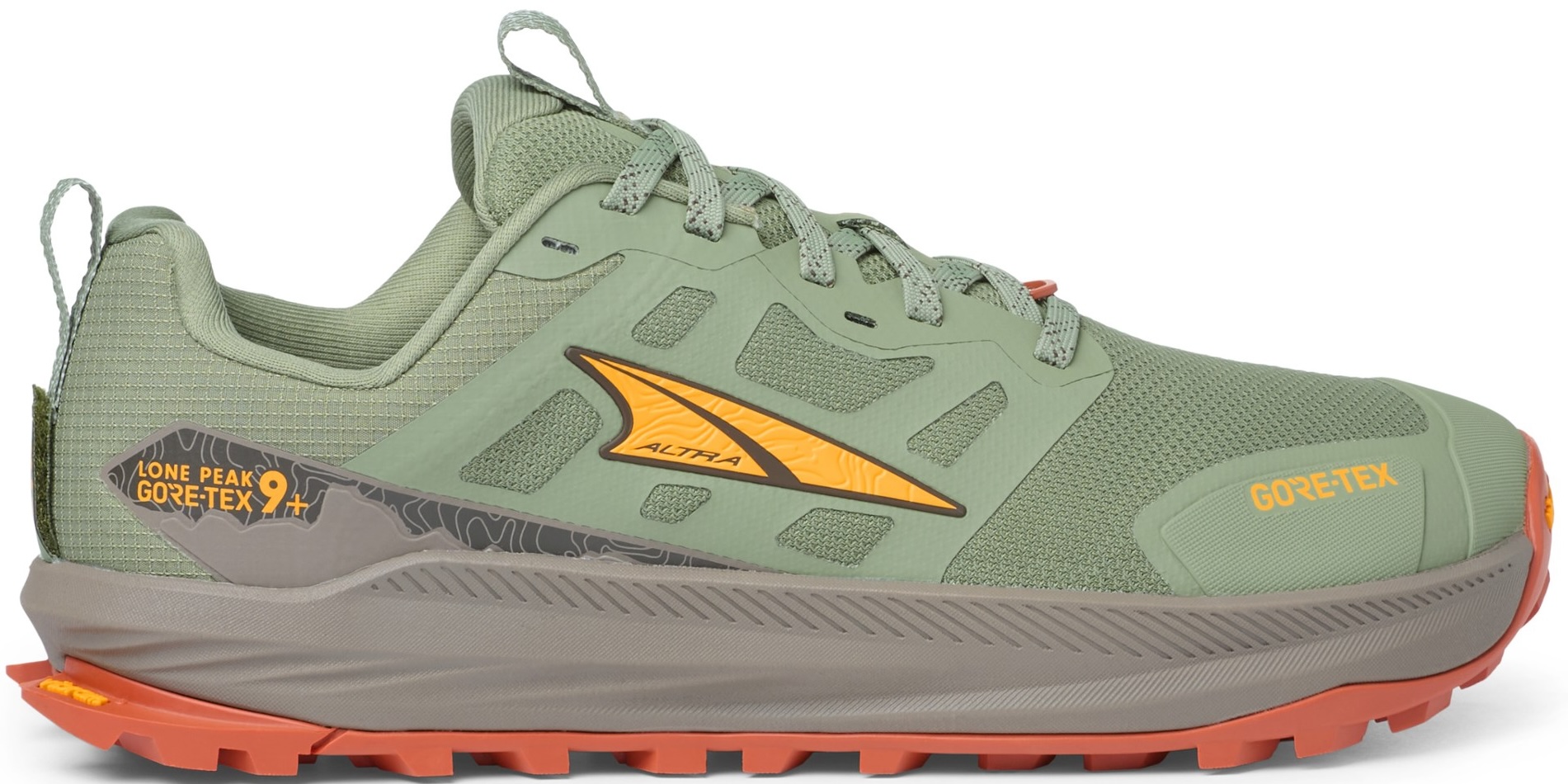
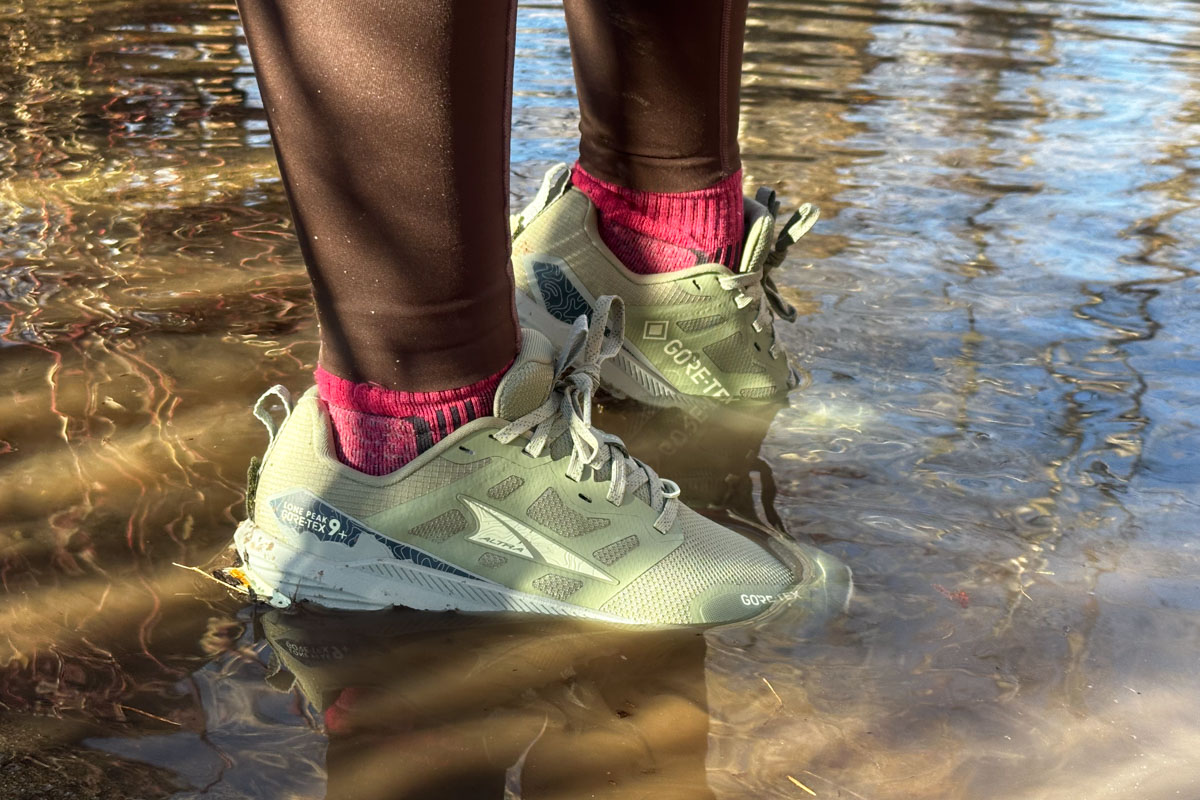
Altra's Lone Peak is one of the brand's flagship shoes, complete with the signature zero-drop construction and wide toe box. Initially a trail running shoe, the Lone Peak was co-opted by thru-hikers for its comfort over long distances and excellent ground feel. The 9+ Gore-Tex version is an upgrade from the non-GTX waterproof 9, which uses Altra’s in-house waterproofing. With a lighter, more flexible build and a more breathable waterproof membrane, the Lone Peak 9+ offers better durability in the upper while still dropping over 2 ounces from both the men's and women's versions. The Vibram rubber outsole is also a notable upgrade, and we found it far grippier than the proprietary outsole on the 9. The style remains the same, boasting an impressive out-of-the-box comfort that holds up over long distances.
The Lone Peak isn't for everyone, though, and despite being a favorite for long-distance hikers, this isn't our first choice for technical trails or anything where stability and balance are critical. The softer, more flexible build translates to less stability through the upper, and we tend to roll our ankles in these shoes more than in stiffer, more supportive hiking shoes. It's possible to get a tighter upper wrap with the offset eyelets, but we found the laces too short to tighten all the way. That said, we appreciate that Altra has addressed some durability issues from past models with the upgraded upper and outsole materials on the 9+, and the Gore-Tex's comfort is noticeably better than last year's standard waterproofing. You will have to spend up for it, but the upgrades are worth it for hikers hitting moderate trails for long distances.
See the Men's Altra Lone Peak 9+ GTX See the Women's Altra Lone Peak 9+ GTX
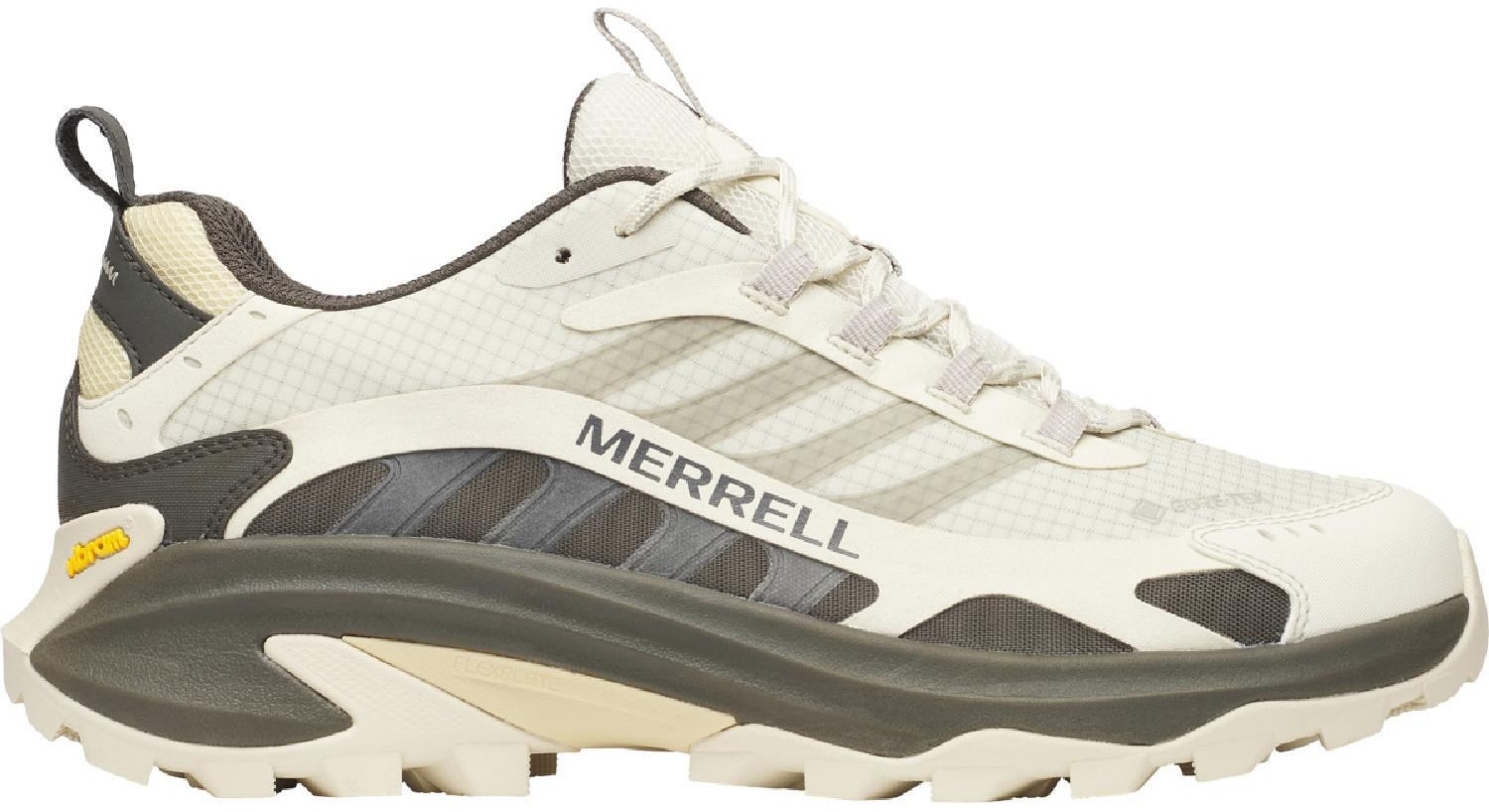
Category: Hiking shoe
Weight: 1 lb. 8.7 oz. (men's), 1 lb. 5.2 oz. (women's)
What we like: Well-rounded on-trail performance with a firm but comfortable midsole.
What we don’t: A step down in durability and support from a traditional hiker.
Merrell’s Moab line is a favorite among budget-seekers and beginner hikers. The Speed 2 is a modern offshoot from the more traditional-looking boots in the line, and we think it offers some nice upgrades. It has a nicely cushioned design that will appeal to hikers looking for a low-top shoe with the foot support of a boot, minus the constricting ankle collar. This isn't the lightest shoe on our list, but for the support in the 34-millimeter midsole, burly toe cap, and hefty heel counter, it does a good job keeping the ounces down. And like most other shoes in the Moab line, the Speed 2 has a wide toe box and requires very little break-in time. Rounding out the design is a Gore-Tex membrane that offers a nice balance of waterproofing and breathability.
Out of all the shoes in the Moab family, we like the Speed 2 for its modern look and premium touchpoints. Specifically, the Speed 2 offers better traction and support around the collar, but you can save some cash by sticking with the Moab 3 WP below. We wouldn’t consider either a performance hiking shoe, however. Their comfort-first fits sacrifice some precision and nimbleness, and they have a clunkier feel than trail-running designs. They also aren’t as durable as the Salomon X Ultra 5 above, though they do offer more underfoot cushion. Overall, we think the Speed 2 offers both a sturdy, planted feel and a decent amount of cushion, making it a great choice for beginner and intermediate hikers.
Read more: Merrell Moab Speed 2 GTX review (women's version)
See the Men's Merrell Moab Speed 2 Gore-Tex See the Women's Merrell Moab Speed 2 Gore-Tex
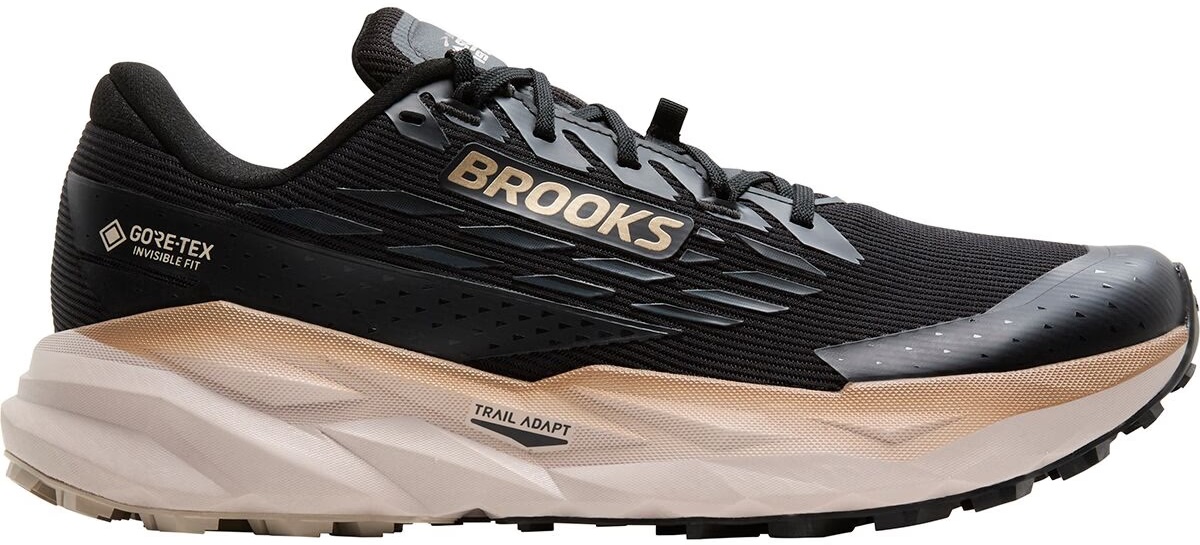
Category: Trail running shoe
Weight: 1 lb. 6.4 oz (men's), 1 lb. 3.8 oz. (women's)
What we like: A classic thru-hiking shoe that offers more stability than the Lone Peak above.
What we don’t: Not as durable with less aggressive traction than true hiking shoes.
Now in its 19th generation, the Brooks Cascadia is one of the longest-standing trail runners on the market and popular in the thru-hiking community. Like the Lone Peak above and the Peregrine below, this shoe bridges the gap for speed-focused hikers, offering the support and protection you need for fast-and-light trails, along with a flexible upper and a well-cushioned midsole. Updates to this design include a flexible rock plate in the midsole for stability and increased cushioning in the heel and forefoot. What’s more, the Gore-Tex membrane adds a nominal amount of weight for reliable protection (the men's GTX weighs 11.2 oz. per shoe, while the non-GTX weighs 10.7 oz. each). The Cascadia's design is known for feeling stable and precise on off-camber terrain without losing agility and responsiveness, and we recommend this shoe for hikers with picky feet.
For hikers looking for a flexible, waterproof shoe for long-distance, moderate-terrain hiking, we'd be more likely to recommend the Lone Peak's roomy toe box, as the narrower forefoot on the Cascadia can feel compressive after long distances. But both shoes feel breathable and lightweight, and the waterproofing doesn't feel overly stiff despite the added protection. Like other trail running shoes, the Cascadia has a lower cut, so the waterproofing will only do so much if you're stomping through puddles and streams. You'll want to keep the water level below the top of the shoe to stay dry. Anything deeper, and the water coming over the top of the shoe will quickly saturate the interior, which takes longer to dry than non-waterproof trail shoes.
See the Men's Brooks Cascadia 19 GTX See the Women's Brooks Cascadia 19 GTX
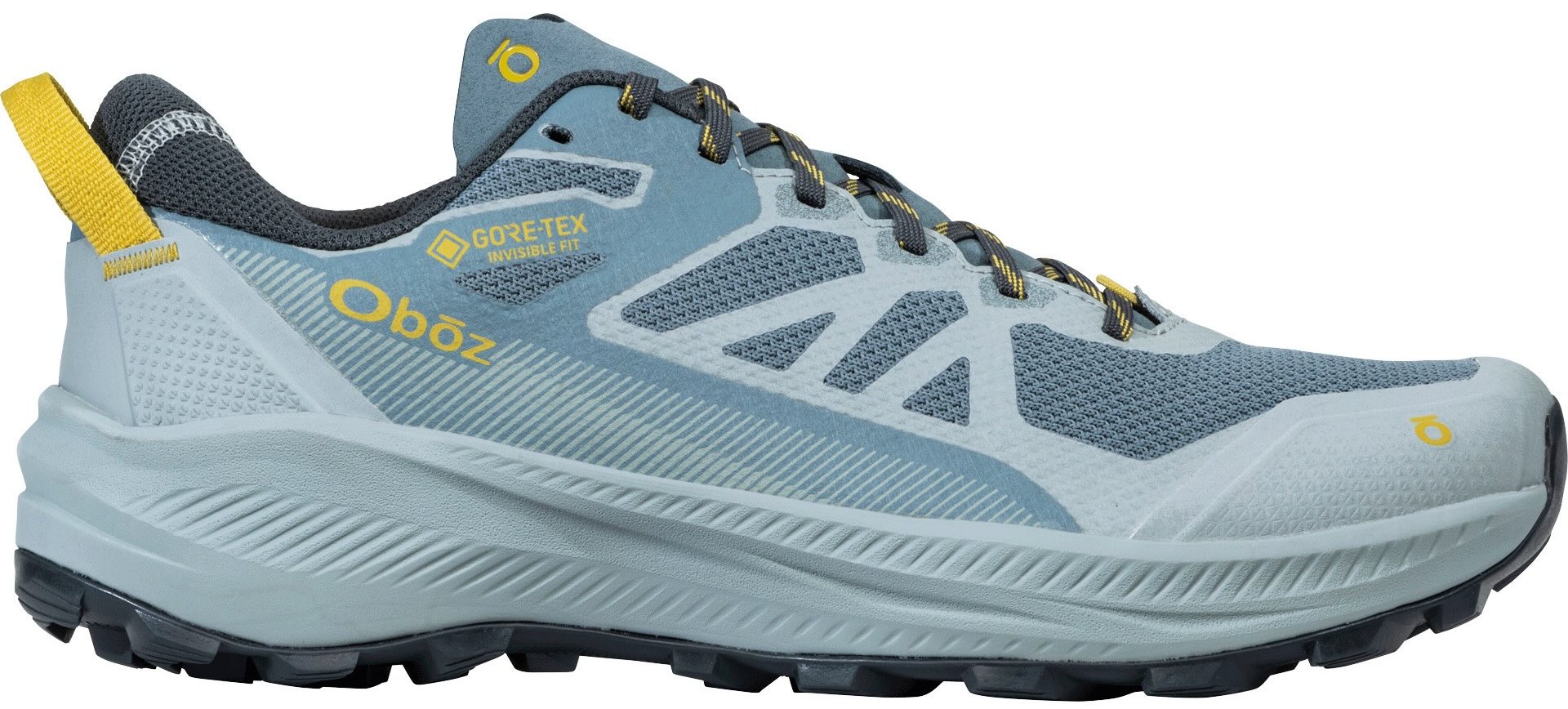
Category: Hiking shoe
Weight: 1 lb. 7.6 oz. (men's), 1 lb. 4.6 oz. (women's)
What we like: Supportive underfoot while remaining lightweight.
What we don’t: Tougher to break in than a trail running shoe.
The Oboz Katabatic LT Low GTX combines the stiff structure of a hiking boot and the sleek platform of a lightweight trail runner. With rigid underlays in the synthetic mesh uppers and a rock-solid underfoot, the Katabatic proved ideal for hiking on uneven terrain, including talus and scree fields. The heel pocket keeps the foot in place, and ample TPU reinforcements at the toe and heel protected us from painful toe bangs while off-trail exploring. We were initially skeptical of Oboz’s proprietary outsoles, but they provided plenty of grip on a variety of sharp and slippery terrain. At the end of a long day, we also appreciated the Katabatics' low swing weight and the surefooted feel that kept our ankles safe and secure as fatigue crept in.
That said, the downside of opting for such a stiff and sure-footed design is comfort. With minimal midsole cushioning and a stiff shank, we found these shoes difficult to break in. Firm underlays in the uppers and the rigidity of the waterproof membrane also detracted from the springy nimbleness we were hoping for. Price is another concern, though we don’t have any worries about the durability or quality of this design. And the Gore-Tex membrane is a great touch for the price, providing a decent balance of waterproofing and breathability. We also like the color choices, the sleek aesthetics, and the wide version, which can improve comfort for those with bunions. As long as you’re prepared for a longer break-in period, the Katabatic is a great option for someone looking for something sleek, lightweight, and supportive.
See the Men's Oboz Katabatic LT Low GTX See the Women's Oboz Katabatic LT Low GTX
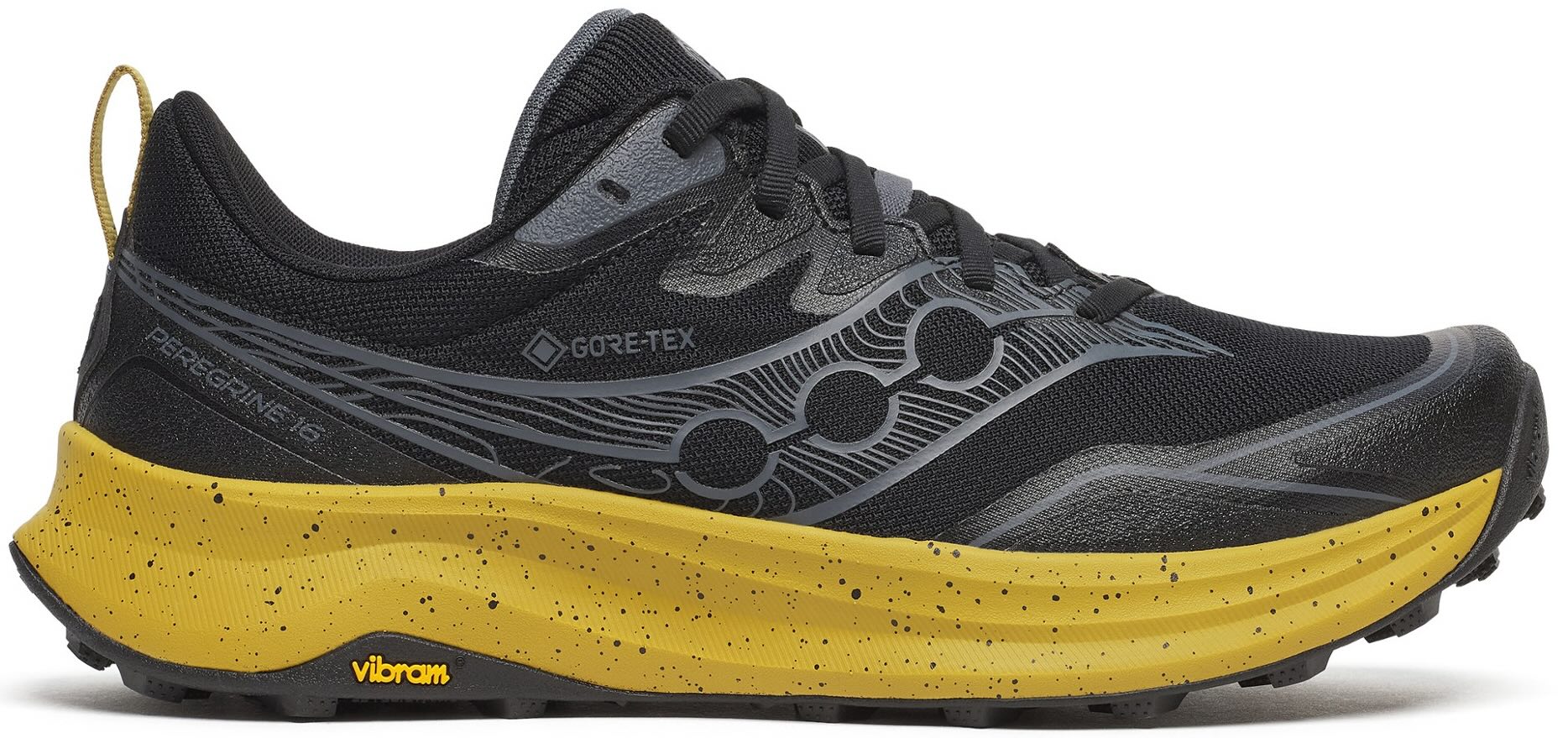
Category: Trail running shoe
Weight: 1 lb. 4.8 oz. (men's), 1 lb. 2.2 oz. (women's)
What we like: Trail runner-like agility with a boost in protection and stability.
What we don’t: Not as light as other trail runners; can feel tight at first.
Saucony's long-standing Peregrine is an excellent choice for a range of environments and hiking durations. Compared to the other trail-running shoes on this list, the Peregrine offers a sturdier, more planted feel. The support is nice on scrambles, and the deep lugs provide security on steep hills, even when loaded down with a pack. We wouldn’t call this a particularly well-cushioned shoe, but the latest 16 does increase the stack height to 32 millimeters under the heel and 28 millimeters under the forefoot. It’s just enough to protect the foot from rough terrain and provides decent rebound. We were also big fans of the traction in the last version, which was some of the best we've tested in both the trail running and hiking categories. In this update, the proprietary outsole is replaced with a Vibram Megagrip outsole, offering even better grip than the previous model. We're still putting the 16 through its paces, but the upgrades so far seem well worth the small price increase.
We will say the Peregrine isn't the most comfortable shoe we've ever worn, and it can feel stiff and constricting out of the box. This is somewhat unusual for a trail running shoe, and while it breaks in fairly quickly, the GTX version retains some uncomfortable tightness in the upper. The breathability is decent for a waterproof shoe, but we found the Cascadia 19 GTX above to feel more breathable and nimble overall. That said, the Peregrine has better foot-hugging support, resulting in better stability for more technical hikes.
See the Men's Saucony Peregrine 16 GTX See the Saucony Women's Peregrine 16 GTX
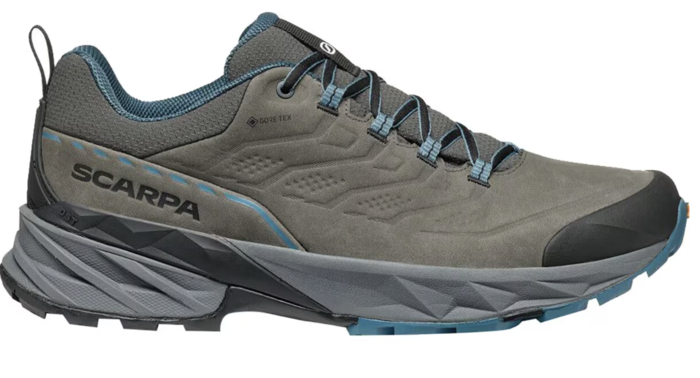 Category: Hiking shoe
Weight: 1 lb. 12.2 oz. (men's), 1 lb. 7.2 oz. (women's)
What we like: Hard-wearing leather hiking shoe with trail-runner-like efficiency.
What we don’t: A bit pricey and not as light as other options here.
The problem with many lightweight, synthetic hiking shoes is durability. The materials just don’t hold up well to rough and consistent use. A leather hiking shoe, like Scarpa’s Rush 2 Pro GTX, is more resilient than the synthetic competition and holds up well to mountain terrain. But our compliments don’t end with the durability; this shoe has the cushion and rocker of a trail runner, and a sticky outsole that maintains traction on steep trails and loose rocks. And the TPU reinforcements and torsion frame at the heel encourage a stable push-off on uneven terrain. Overall, the Rush has proven to be an excellent option for hikers who want the responsiveness of a trail runner but enough support for technical treks.
That said, such a robust design isn't particularly lightweight, especially compared to the synthetic trail runners above. Between the weight and the reduced breathability due to the Nubuck leather upper, the Rush 2 Pro wouldn’t be our first choice for a combo run-hike mission. Still, they’re far from clunky-feeling, and the latest version features increased stability and torsion control through the heel. It still feels nimble on tricky trails, and it offers more stability and protection than a trail running shoe. Overall, the Rush is a great shoe for speed-focused hikers and fastpackers, especially those who are hard on their gear. The price is on the high side, but this shoe will last longer, making the investment worth it, in our opinion.
See the Men's Scarpa Rush 2 Pro GTX See the Women's Scarpa Rush 2 Pro GTX
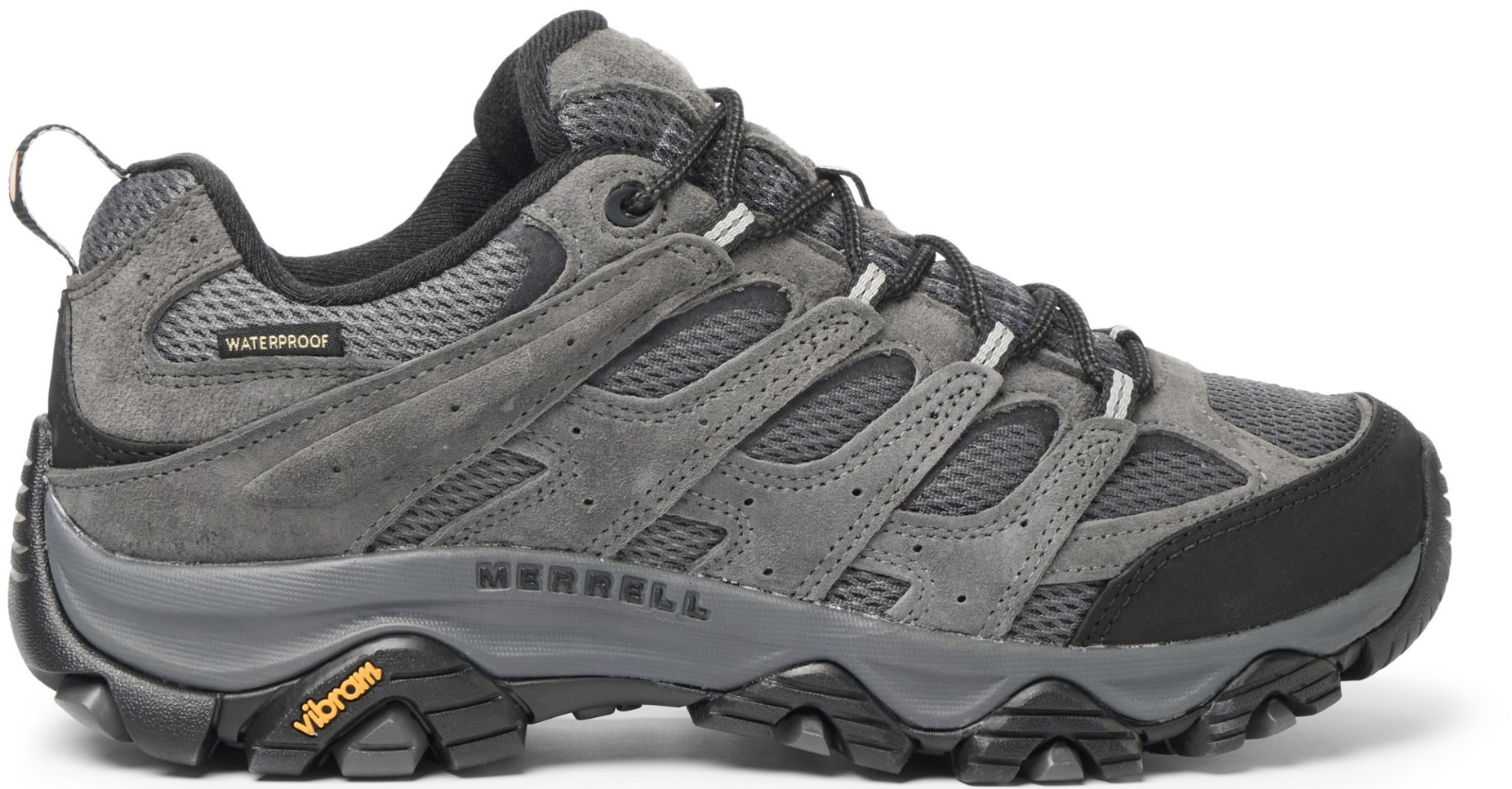
Category: Hiking shoe
Weight: 1 lb 10.1 oz. (both men’s and women's)
What we like: A very comfortable and well-built hiking shoe.
What we don’t: Somewhat outdated style; less breathable than other waterproof hiking shoes
These may not be the most stylish shoes, but Merrell's Moab 3 holds a strong corner of the market for a reason. Not only are they among the more budget-friendly choices, but they have a stable, grounded feel with generous underfoot padding and burly grip from the 5 millimeter lugs and Vibram outsole. Merrell’s in-house waterproofing is reliable, too, and has held up well to off-season hiking in the rainy PNW. This is a classic hiking shoe that hasn't been updated too much since its debut, but the 3 did see an increase in recycled materials, an updated insole, and modest updates to cushioning and traction. Aside from being a reliable, comfortable, waterproof hiking shoe, the Moab 3 is long-lasting and durable.
In terms of downsides, on rocky and muddy trails, we’ve found that the Moab 3's traction and stability fall short of those of performance shoes like Salomon's X Ultra 5 or Merrell's Moab Speed 2, especially in the softer collar. That said, it offers more underfoot stability than a trail-running model like the Lone Peak. While the Moab 3 is not as breathable as sleeker trail running shoes, the ample mesh sections around the nubuck leather reduce ounces and increase airflow. The Moab 3 GTX is just one option in the wide-ranging Moab line, which includes a non-waterproof version, high-cut boots, and an upgraded Gore-Tex version, which offers slightly more protection and breathability at a higher price. But the Waterproof version here is the most well-rounded of the bunch.
See the Men's Merrell Moab 3 WP See the Women's Merrell Moab 3 WP
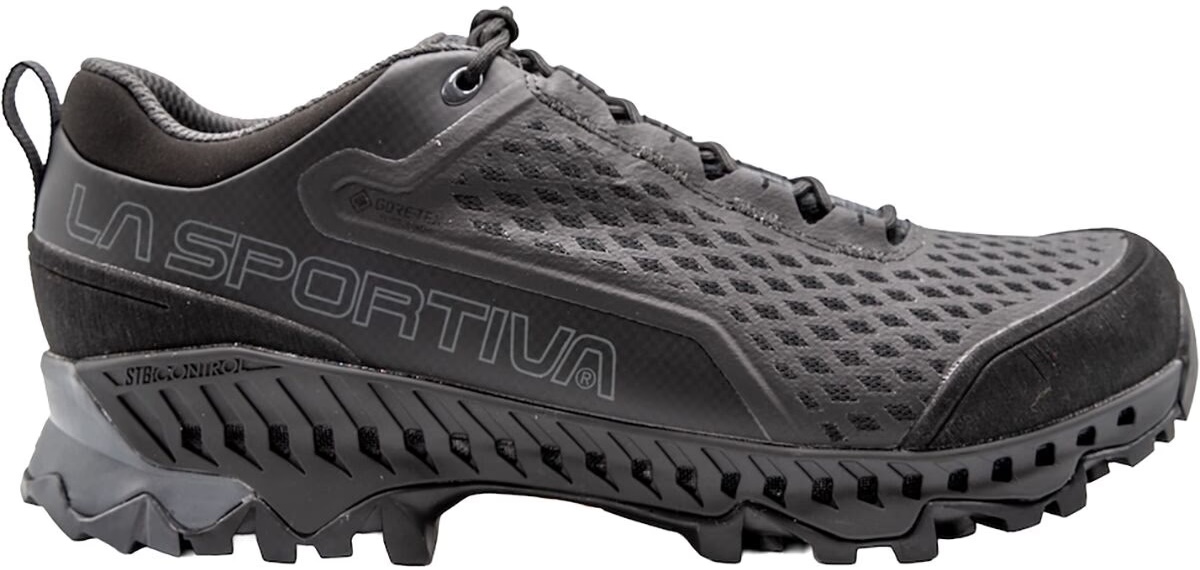
Category: Hiking shoe
Weight: 1 lb. 15.0 oz. (men's), 1 lb. 10.2 oz. (women's)
What we like: A supportive, technical shoe with durable construction and excellent traction.
What we don’t: Expensive and a bit heavy.
While we appreciate waterproof trail runners, sometimes the expedition calls for a truly sturdy hiking shoe. That's where La Sportiva's Spire GTX comes in, with a rugged and protective midsole, deep, multidirectional lugs for incredible grip on a variety of technical terrain, and a foot-hugging upper that encourages a stable foot plant. To achieve this support, the Spire has a stiffer underfoot feel, which can take some getting used to. But the combination of midsole height and density does an excellent job isolating the feet from rooty, rocky trails, and the grip takes notes from La Sportiva's famed approach shoes for added security on steep rocks.
This shoe isn't the most versatile on our list, though, and wouldn't be our first choice for anything non-technical. At nearly 2 pounds (and over a pound and a half for the women's), it's on the heavier side for a hiking shoe. Generally, we prefer our waterproof hiking shoes to stay on the lighter side since we’re already losing breathability and flexion with the waterproof membrane. And while the higher cut is supportive, the collar takes some time to break in. We also wouldn’t recommend them for folks with narrow feet. They fit large, and the heel cup doesn’t hold small heels well enough for steep descents. Lastly, it’s worth highlighting the price, which is among the highest on our list. These issues aside, it’s hard to knock the Spire's performance or quality, and for those looking for a stiff, aggressive waterproof hiking shoe, it's worth trying on for size.
Read more: La Sportiva Spire GTX review (men's version)
See the Men's La Sportiva Spire GTX See the Women's La Sportiva Spire GTX
The waterproof hiking shoe market is vast, extending beyond traditional hikers into categories like trail runners and approach shoes. What's more, brands are constantly updating beloved designs, making small tweaks that can have a big impact on performance. To keep up with it all, we're testing waterproof shoes year-round, and we've developed high standards for the shoes that make it into our list of favorites. As such, not every shoe we test makes the cut, and we understand that you might be curious about our reasoning for dismissing certain models.
To start, we decided to replace the Altra Lone Peak 9 Waterproof with the latest 9+ GTX version. Though the 9+ is the pricier of the two, it provides serious upgrades in both waterproofing and traction.
We removed the Zamberlan 215 Salathe GTX RR in this update for several reasons. The shoe is very clunky and heavy, and it's also not the most breathable with a thick leather upper. But our main deciding factor was the price, which was recently increased to $300. The Salathe is a great choice for a dedicated approach shoe, but we think the lighter-weight, less expensive models above are better for longer days on the trail.
The Hoka Anacapa 2 Low GTX also didn't make this round after some further testing. Compared to Hoka's usual cushy and comfortable hikers, the Anacapa 2 Low proved narrow in the toe box and stiffer underfoot than we expected. We're also not big fans of the chunky styling and worry about the long-term durability of the blown rubber in the midsole.
Additionally, the Oboz Bridger Low was removed. In side-by-side testing with the Merrell Moab 3 Waterproof, a boot with a similar use case, the Bridger proved less durable, heavier, and clunkier. It's also $15 more than the Moab 3 WP.
Lastly, we recently tested the Hoka Transport Hike GTX, which we found to have reliable waterproofing and a nice, sleek aesthetic. However, a few testers noted that the shoe pinched uncomfortably on the top of the foot after just a few miles of wear. The high price doesn't make it stand out, either.
| Shoe (Men's/Women's) | Price | Category | Pair Weight (M/W) | Waterproofing | Upper |
|---|---|---|---|---|---|
| Men's Salomon X Ultra 5 Women's Salomon X Ultra 5 | $175 | Hiking shoe | 1 lb. 10 oz. 1 lb. 6 oz. | Gore-Tex | Synthetic |
| Men's Keen Hightrail WP Women's Keen Hightrail WP | $150 | Hiking shoe | 1 lb. 11.9 oz. 1 lb. 7.6 oz. | Keen B.Dry | Nubuck, mesh |
| Men's Hoka Challenger 8 Women's Hoka Challenger 8 | $165 | Trail runner | 1 lb. 6.1 oz. 1 lb. 2 oz. | Gore-Tex | Mesh |
| Men's Scarpa Ribelle Run 2 Women's Scarpa Ribelle Run | $219 | Trail runner | 1 lb. 6.8 oz. 1 lb. 4 oz. | Gore-Tex | Mesh |
| Men's Altra Lone Peak 9+ Women's Altra Lone Peak 9+ | $180 | Trail runner | 1 lb. 8.8 oz. 1 lb. 4 oz. | Gore-Tex | Mesh, synthetic |
| Men's Merrell Moab Speed 2 Women's Moab Speed 2 | $175 | Hiking shoe | 1 lb. 8.7 oz. 1 lb. 5.2 oz. | Gore-Tex | Synthetic |
| Men's Brooks Cascadia 19 Women's Brooks Cascadia 19 | $180 | Trail runner | 1 lb. 6.4 oz. 1 lb. 3.8 oz. | Gore-Tex | Mesh, synthetic |
| Men's Oboz Katabatic LT Low Women's Oboz Katabatic LT | $190 | Hiking shoe | 1 lb. 7.6 oz. 1 lb. 4.6 oz. | Gore-Tex | Mesh, synthetic |
| Men's Saucony Peregrine 16 Women's Peregrine 16 | $180 | Trail runner | 1 lb. 4.8 oz. 1 lb. 2.2 oz. | Gore-Tex | Mesh |
| Men's Scarpa Rush 2 Pro Women's Scarpa Rush 2 Pro | $189 | Hiking shoe | 1 lb. 12.2 oz. 1 lb. 7.3 oz. | Gore-Tex | Nubuck, mesh |
| Men's Merrell Moab 3 WP Women's Merrell Moab 3 WP | $160 | Hiking shoe | 1 lb 10.1 oz. | Merrell Dry | Leather, mesh |
| Men's La Sportiva Spire GTX Women's La Sportiva Spire | $219 | Hiking shoe | 1 lb. 15.0 oz. 1 lb. 10.2 oz. | Gore-Tex | Mesh, synthetic |
The Switchback Travel team is no stranger to long days on the trail. From epic high routes to months-long thru-hikes across the country, we clock serious miles each year on all sorts of terrain. This waterproof hiking shoe guide took inspiration from our original hiking shoe roundup, started back in 2015 and currently managed by senior editor and thru-hiker Chris Carter. For this waterproof-focused guide, contributing editor Maggie Slepian and editor-in-chief Penney Garrett dug into Switchback's continuously updated library of testing notes to develop their initial list of candidates. Maggie added in her experience from hiking in Montana for shoulder-season backpacking trips, plus thousands of miles of thru-hiking across varied terrain, and Penney weighed in from the variable weather of the Sierras, where she's always hiking through something mucky with her pup in tow. Editor Maddie Downie now manages the guide. Living in the PNW rainforest makes for year-round great waterproof testing, and Maddie isn't one to let rainy days or sloppy trails keep her from enjoying day hikes and backpacking throughout Washington state.
Our years of testing dozens of highly rated waterproof hiking shoes helped us narrow in on the selection of 12 competitive models above. We drew on personal experiences and feedback from seasoned contributors and the hiking community, considering a range of options from burly approach shoes to lightweight waterproof trail runners, all while accounting for breathability, waterproofing reliability, durability, traction, and comfort over long distances. If you're looking for a different style of hiking footwear, we took a similar approach in putting together our lists of the best hiking boots and best trail running shoes.
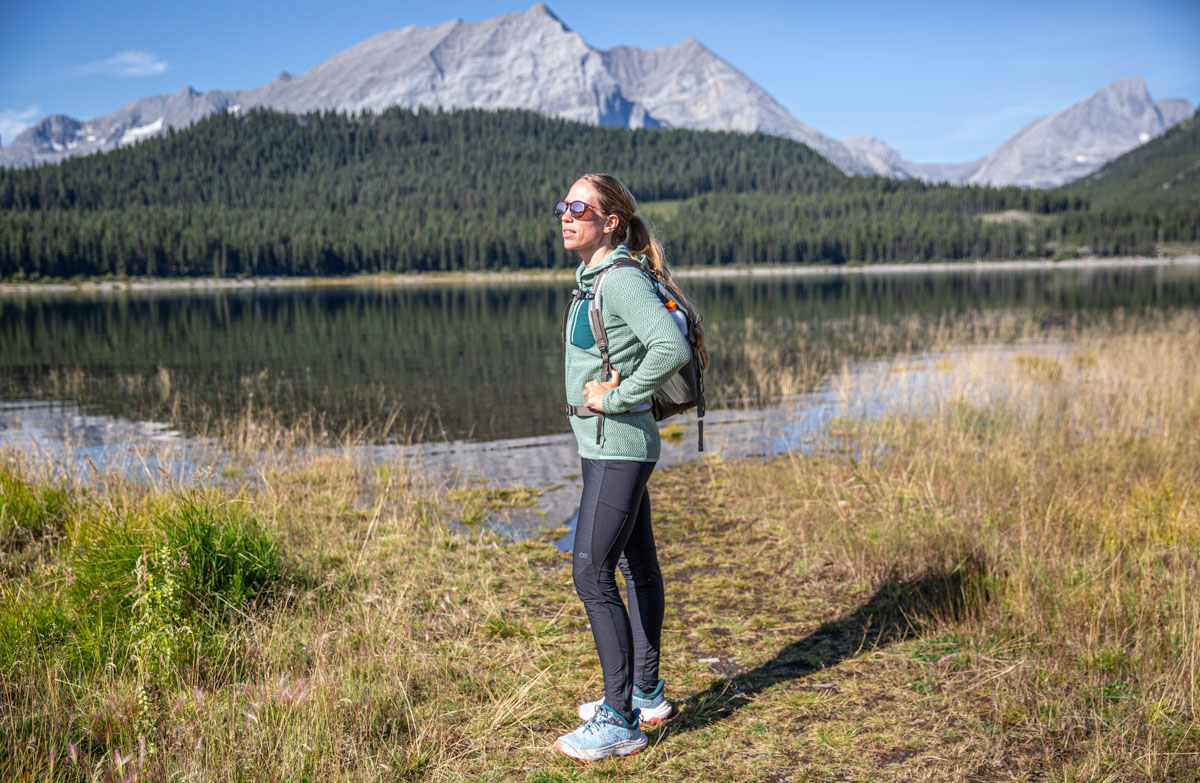
Waterproof hiking shoes are made with a waterproof, breathable membrane sandwiched between the outer shell fabric and the liner. The membrane itself is also three layers, consisting of an expanded polytetrafluoroethylene (ePTFE) membrane bonded to a lining and a knit backer. It might sound bulky and complex, but waterproofing and shoe materials are so advanced these days that many of the shoes above weigh just a few ounces more than their non-waterproof counterparts. Most of these hiking shoes use a Gore-Tex membrane, while a few brands (like Keen, Merrell, and Oboz) use their own in-house waterproofing membrane. For extra protection, waterproof hiking shoes are usually treated with a durable water repellent (DWR) coating. Though this treatment wears off over time, you can refresh it with an after-market spray like Nikwax.
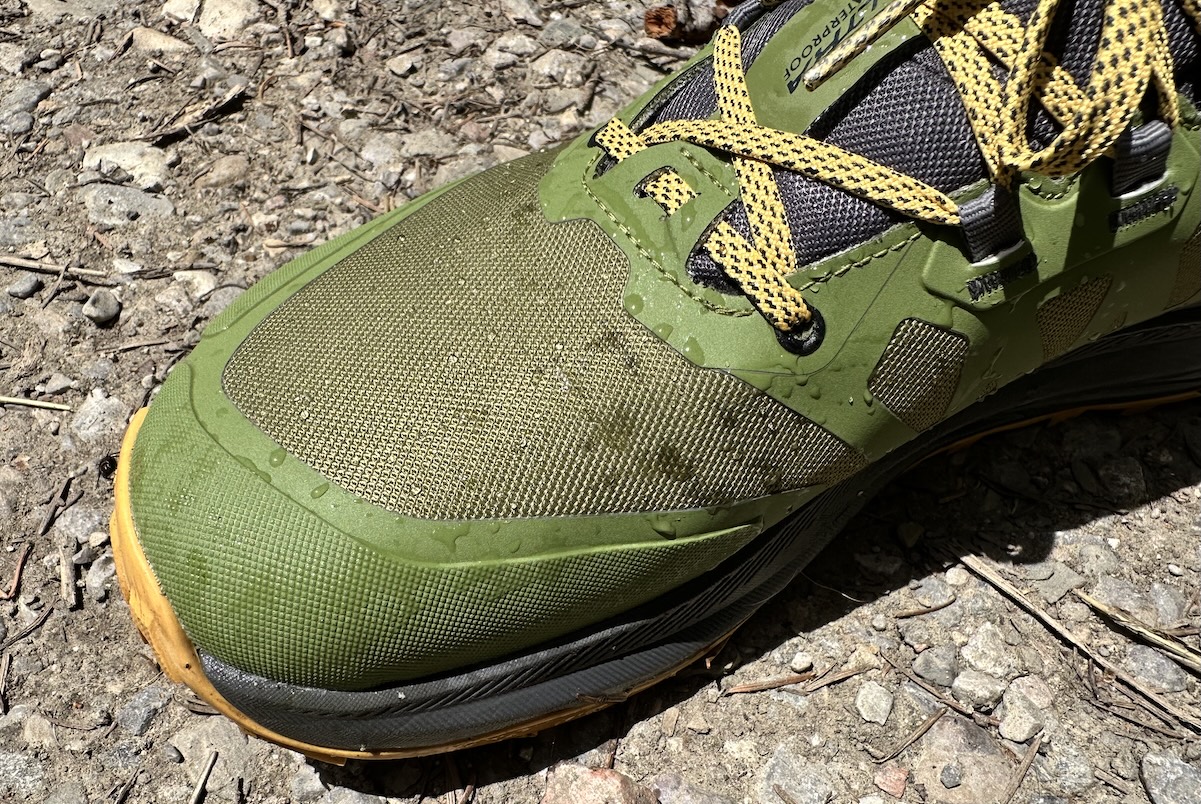
While waterproof hiking shoes often aren't a true necessity, we see them as an added layer of security for outings with creek crossings, surprise rainfall, or hitting slushy snow on an early-season trek. Keep in mind the extra layer adds weight and impacts breathability, though we've found Gore-Tex models to balance all these elements the best. Many in-house membranes perform similarly at keeping water out, though they aren't the most breathable. In a nutshell, whether you need waterproof hiking shoes depends on your terrain, preferences, and expected conditions.
For super-wet or super-dry conditions (think constant rain and water crossings, or the dry desert), we actually don't recommend waterproof hiking shoes. Waterproof shoes, by nature, don't stay as cool and breathable as non-waterproof ones, so you'll feel hotter in the summer or in desert climates. On the other end of the spectrum, if you're hitting a trail with many creek crossings or constant rain, your low-top waterproof hiking shoes might get saturated (though you can delay this by wearing gaiters). Since waterproof shoes have reduced airflow, they won't dry out as quickly, so you'll be stuck with wet shoes. This review includes all low-top recommendations, so be sure the creeks you plan to cross aren't too deep. If you anticipate encountering deeper water, consider a pair of waterproof hiking boots instead. For a full breakdown on choosing footwear, check out our article on whether you need waterproof hiking shoes.
Cost
Many waterproof hiking shoes are also available in non-waterproof versions, which can save you $15-25 compared to the waterproof model. For instance, take the non-waterproof versions of the Hoka Challenger 8 and Salomon X Ultra 5. Both will save you a bit of cash compared to their Gore-Tex counterparts above.
Breathability
No matter how much a brand brags about their waterproof membrane, the truth is that they don’t breathe well. While they do allow some moisture to vent, waterproof and breathable membranes limit a shoe’s ability to pull moisture away from your sweaty feet. Not all non-waterproof shoes should be treated equally, however. Just like non-waterproof shoes, footwear with thinner fabrics and a lot of mesh will increase moisture transfer and airflow, helping your feet stay less sweaty in hot weather.
.jpg)
Weight
Waterproofing adds anywhere from a half-ounce to two-plus ounces per shoe. For instance, the non-waterproof men's Brooks Cascadia 19 weighs 10.7 ounces per shoe, while the Gore-Tex version weighs 11.2 ounces per shoe. However, unless you're counting ounces for long or strenuous treks, this difference won't be noticeable.
Durability
Waterproof hiking shoes have an additional layer of upper protection from the DWR coating, which also helps repel grime and mud. This can increase the longevity of the uppers, and many true waterproof hiking shoes (as opposed to trail running shoes) are burlier in general. We have seen waterproof membranes cracking or peeling on older models (especially on the Altra Lone Peak), but as integration has improved, this has become less of an issue.
Protection
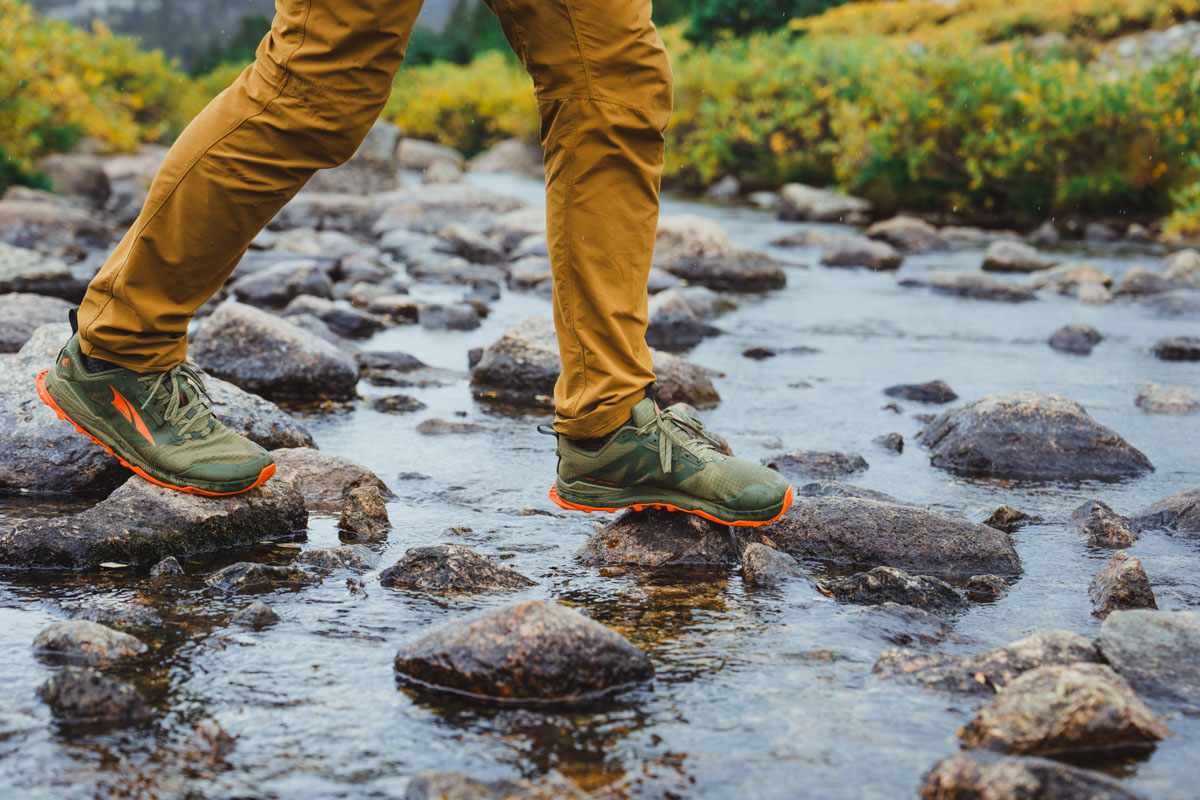
This is where waterproof hiking shoes really shine. With a waterproof membrane and an additional DWR coating, waterproof hiking shoes offer protection against wetting out and extra warmth during cold hikes. For this reason, even if we don't anticipate an overly wet trail, we appreciate the boost of warmth on chilly days.
Hiking Shoes
For the vast majority of hikers, a below-the-ankle hiking shoe like the ones listed above is a good middle ground between boots and trail runners. Shoes like our top-rated Salomon X Ultra 5 GTX and the Oboz Katabatic LT Low GTX are stiffer and more substantial than a trail running shoe for carrying a light load, without the heaviness of a full-on boot. Hiking shoes also often have a tougher construction than trail running shoes, with more leather and durable nylon rather than mesh. Protection from obstacles like rocks and roots comes courtesy of rubber toe caps and medium-stiff midsoles. Hiking shoes are also great options for folks needing a substantial shoe for daily wear—just be mindful that the outsoles will wear faster on pavement than on a dirt trail.
.jpg)
Trail Running Shoes
If moving fast is important to you, consider a trail running shoe. Models like the Hoka Challenger 8 GTX and Altra Lone Peak 9+ GTX have gained significant popularity in both the hiking and trail-running communities over the past few years. That said, keep in mind that these types of shoes are not traditional off-trail or backpacking footwear. Trail runners are flexible and comfortable, but they don’t provide much in the way of ankle support when you’re carrying a heavy load, and they often have less toe and underfoot protection. For hikes on established trails or for experienced minimalist trekkers, however, a trail running shoe remains an excellent option. For a complete breakdown, see our round-up of the best trail running shoes, and for a deeper dive into the differences, check out our article on hiking shoes vs. trail runners.
Approach Shoes
This third option has a relatively narrow focus: climbers or hikers who need a grippy shoe for steep, rocky terrain. Since these shoes are so specialized, we feature fewer of them on our list. Approach shoes are used by rock climbers on the hike in, and are swapped out for a true climbing shoe on the route itself. Approaches to climbs are often steep and technical, so the large toe rand and a sticky, low-profile rubber compound of an approach shoe help achieve maximum grip on rock. The shoes can be plenty comfortable on day hikes, especially crossover styles like the La Sportiva TX4 Evo from our standard hiking shoe roundup, but we don't typically recommend them for daily hiking or backpacking.
.jpg)
One of the biggest changes in modern waterproof hiking shoe technology is the development of lighter designs. Tough but thin fabrics and a preference for low-top shoes have made it easier to rack up big miles, which is an important reason many hikers choose a waterproof trail runner over a heavier hiking shoe. Most of the shoes on our list weigh 2 pounds or less for a pair, while a burly backpacking boot like the Asolo TPS 520 GV Evo tips the scales at over 4 pounds. And though lighter shoes are sometimes less durable, we appreciate the lighter weight for day hikes, fast-and-light backpacking trips, and peak bagging. As long as you aren't carrying a massive pack and choose a shoe with adequate stability for your terrain, you'll appreciate the lower weight.
_0.jpg)
While all hiking footwear (excluding some minimalist trail runners) retains a degree of stiffness thanks to built-in shanks or internal supports, some will be more supportive than others. These features are part of what sets a hiking shoe (and approach shoe) apart from a flexible cross-trainer or road-running shoe.
For day hikes on flatter or less technical terrain, we love a good pair of lighter, somewhat flexible shoes like the Merrell Moab 3 and Keen Hightrail. As your trips get longer and your pack gets heavier, a more substantial shoe wins out for us. Look to the Salomon X Ultra 5 and the La Sportiva Spire for great all-around options that are equally adept at conquering summit peaks and multi-day backpacking. For more info, check out our section below on boots vs. shoes.
.jpg)
Hiking shoe upper material isn't the most exciting topic, but understanding its construction can offer insights into a shoe's performance. The material used will directly correlate with a shoe's durability, support, and breathability. Most hiking and trail shoes are made with a mix of nylon, mesh, and leather to balance cost, comfort, and longevity.
Synthetic Nylon and Mesh
Woven synthetic paired with synthetic mesh panels is commonly used to improve breathability. These materials aren't as durable, but they do a great job of cutting weight. Some of our favorite models with durable but lightweight synthetic mesh for standout breathability include Scarpa's Ribelle Run 2 GTX and Hoka's Challenger 8 GTX. Waterproof hiking shoes (and especially trail runners) still have mesh overlays and upper components, but the added waterproof membrane layer means you retain full coverage without the same amount of air flow.
Nubuck Leather
Made of full-grain leather, but with a brushed finish that feels like suede, nubuck is a common sight on heavier-duty hiking shoes. The softer-touch leather is lighter and more flexible than traditional, glossy full-leather options and more durable than most nylons. It falls short in breathability, however. As a result, it’s common to find a mix of leather and nylon mesh for abrasion resistance and breathability, as seen on shoes like Scarpa's Rush 2 Pro GTX and Merrell's Moab WP. Neither of these shoes is overly heavy, proving it's possible to find a durable, supportive hiking shoe without weighing your feet down.
.jpg)
The midsole of a hiking shoe works as the primary underfoot cushion, acting as a shock absorber and providing an additional layer of protection from sharp rocks. Depending on the design, midsoles range from very thin (as seen in a minimalist trail running shoe) to stiff and substantial (as in a burly hiking shoe). Most include EVA, TPU, or a combination of both in their construction.
EVA
Foam EVA midsoles are a common sight on running and hiking footwear. The soft material takes some of the sting out of heel or midfoot impacts and is also very lightweight. While nearly all shoes on this list use some sort of EVA, the proprietary versions can vary from super soft to mildly stiff. For logging serious miles on tougher terrain, we prefer a firm, supportive midsole rather than too much cushioning. In general, you pay more for an improved midsole design and a higher-quality EVA compound.
TPU
Thermoplastic polyurethane (TPU) is a durable plastic commonly found in performance-oriented light hikers. Shoes with TPU underfoot are often less cushy than those with only EVA, but they last longer and can better handle a heavy load. In addition, they’ll keep their shape longer and won’t compress like EVA. Because both midsole types have valid applications and TPU is more expensive, it’s common for a manufacturer to use a TPU frame or shank for stability and toughness and add EVA underfoot to increase comfort.
One of the main reasons to opt for a true hiking shoe or dedicated trail runner is the improved traction. Much like Gore-Tex dominates the market for higher-end waterproofing, Vibram holds a similar position in outsoles. The name is synonymous with solid grip and traction on a variety of terrain, and Vibram rubber is incredibly durable compared to other compounds we've tested. Not all Vibram models should be treated as equals, however, as the rubber manufacturer tailors its designs to the specific footwear and brand. Some have much larger lugs underfoot for serious grip in mud, and others prioritize sticky rubber for scrambling over rocks. There are also more moderate options that just do well on easier trails, like the lugs you’ll find on the bottom of the Merrell Moab Speed 2 Gore-Tex.
.jpg)
Many hiking trails are full of rocks, roots, and other potential hazards, so we almost always recommend a hiking shoe with a toe cap. Lacking any protection on the front of your shoes can lead to a trip-ruining impact when you inevitably look up from the trail to enjoy the scenery. Hiking shoes typically have a full rubber toe cap, but trail running shoes sometimes have a trimmed-down version or none at all, one of the compromises in opting for a minimalist shoe. Approach shoes, on the other hand, offer exceptional toe protection thanks to their wraparound rubber rand at the front of the shoe. Some trail runners have toe protection, but you'll most often find the heavier toe caps on a true hiking shoe like the Merrell Moab 3 WP.
.jpg)
 Waterproof Hiking Shoes vs. Hiking Boots
Perhaps the biggest point of differentiation between hiking shoes and boots is height: Shoes have a low-top fit, while boots cover above the ankle. Both boots and shoes offer plenty of waterproof models, but waterproof hiking boots offer more protection for deeper stream crossings, and it's more common to see waterproofing in over-the-ankle boots. Tradition tells us that hiking boots are the better choice for heavy packs and rough trails, and in most cases, that holds true. The tall height, along with laces that hold the boot snugly around your ankle, offers a more secure fit, greater stability, and added protection. That said, hikers can build ankle strength in low-top shoes and remain safe while traversing the same terrain they would in boots. Given the choice, we usually prefer a waterproof hiking shoe for its lightweight and agile feel, but it's ultimately up to the individual.
.jpg)
More and more, we see the lines between hiking shoes and boots blurring. They will still be separated by height (though some modern boots only cover part of the ankle), but fewer boots resemble the heavyweight leather clunkers of years past. One example is the over-the-ankle version of our top-rated Salomon X Ultra 5 GTX. It’s essentially the same shoe body with the same defining characteristics (feathery feel, aggressive stance, and supportive fit), but the "Mid” sits higher on the ankle, weighs a couple of ounces more, and provides a boost in protection and support. Since most folks stick to defined trails, the push for this type of fast-and-light footwear will continue to take over the market.
Back to Our Top Waterproof Hiking Shoe Picks Back to Our WP Hiking Shoe Comparison Table


_08b31.jpg)
c9f6.jpg)
ea49.jpg)
sfbfb.jpg)
56da.jpg)
6f2e.jpg)
_099a8.jpg)