_0.jpg)
Photo Credit
We meander through old growth, gaining vert slowly at first, then with haste. The forest is still dozing, but humidity never sleeps, quickly soaking our faces and forcing a trailside pause to de-layer. Wordlessly, we begin again and settle into a slow jog, four small beams of light moving through the night.
The loam smells of anticipation.
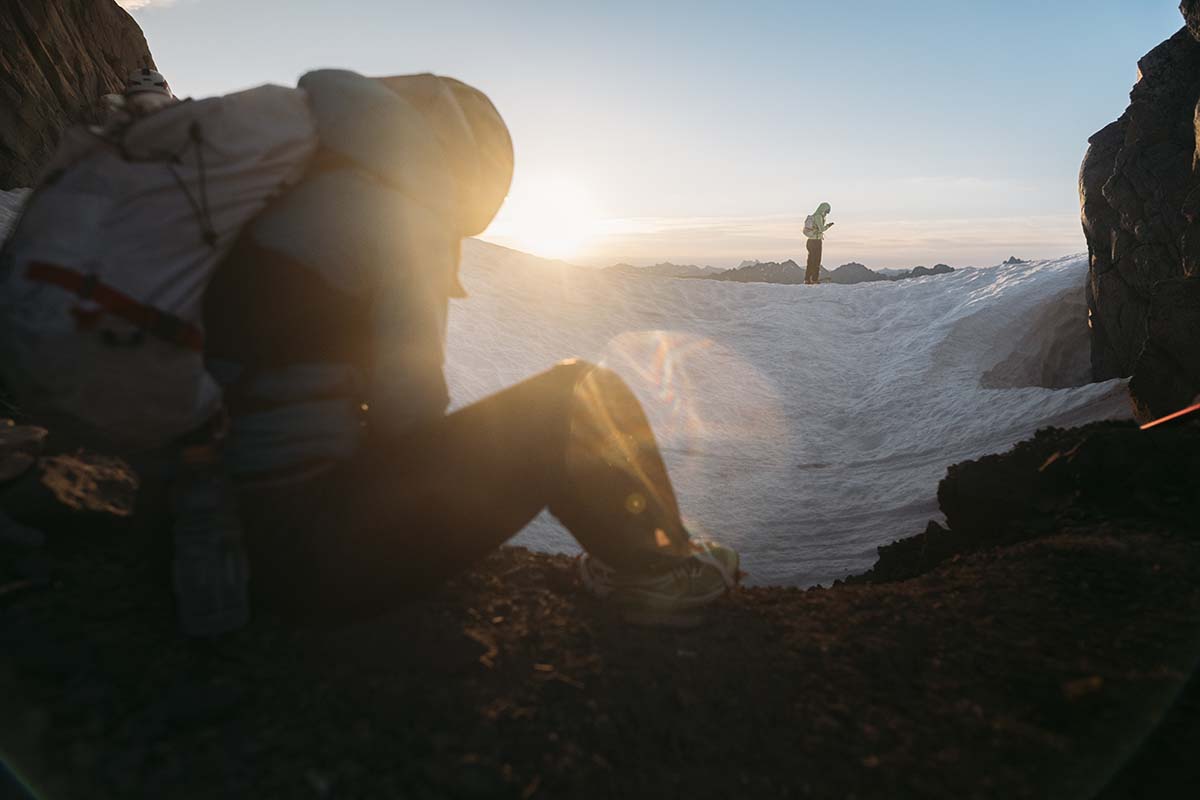
I’ve trained myself to know the signs: the trees going thinner and more spindly, the increasingly rocky trail, the moment that dawn and elevation intersect, always hand-in-hand, to usher in the light of day. The air turns from thick to fresh, and the first views of the alpine appear. I paint a line on the natural tapestry: across the talus and under the cliff band to the toe of the snow, zig-zagging between crevasses before rising on a white finger to an almost imperceptible notch, then pausing to linger. Once there, we’ll gaze upon the next mountainscape and be artists all over again.
.jpg)
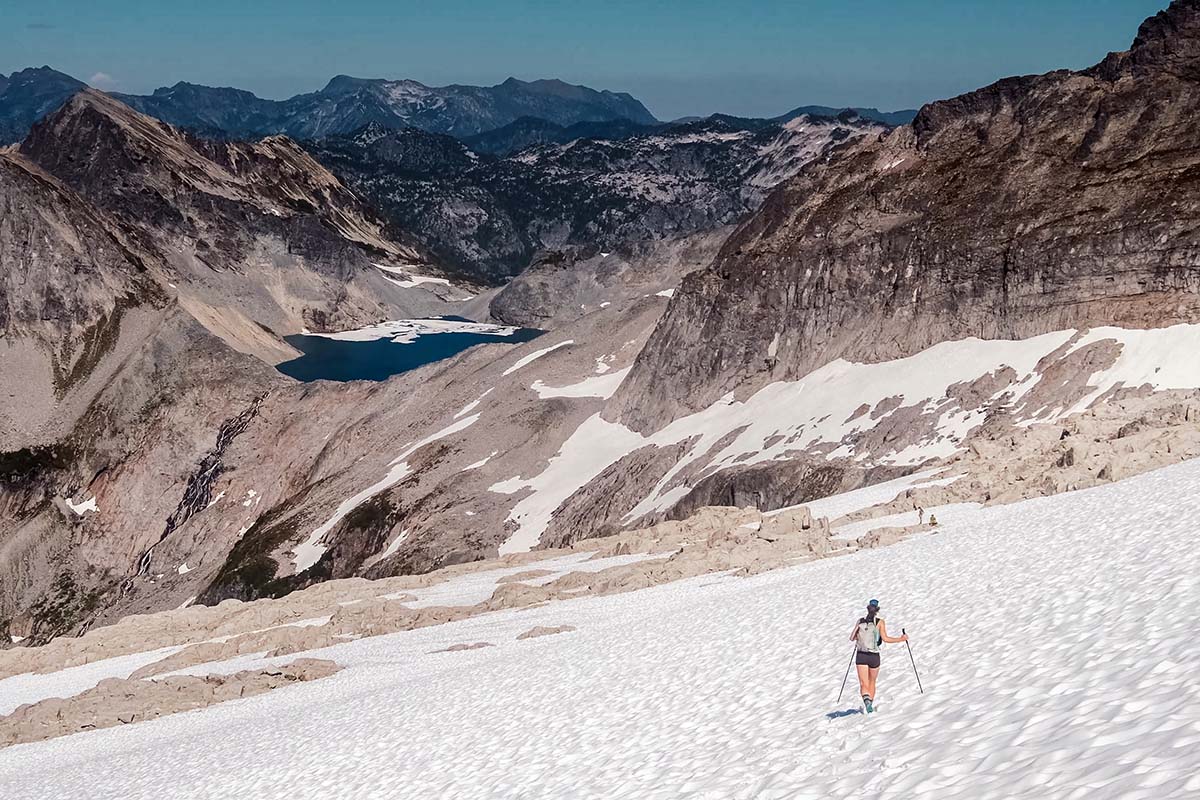
Mountain running can at times be a misnomer. “Mountain” is a broad term that can take a lot of forms, from gentle Colorado Fourteeners, dreamy French-Alp singletrack, and sub-alpine hills in the Southeast to the world’s highest, most remote peaks. And as I’ve learned from my ultra running friends, “running” is also a broad term, referring at once to sprinting, jogging, shuffling, speed walking, slow walking, glissading, boot skiing, scrambling, and—at times—even crawling. However you slice it, I’d say that if you’re moving quickly in beautiful terrain, you’re doing something right.
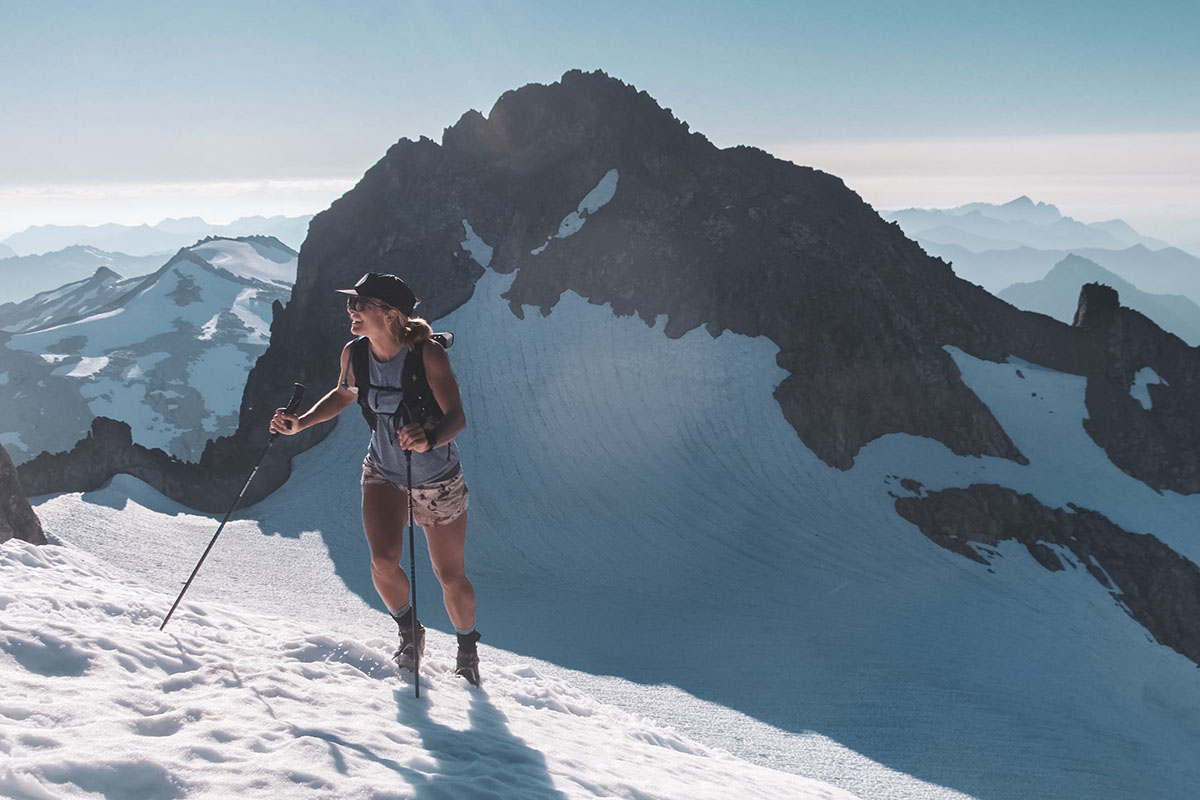
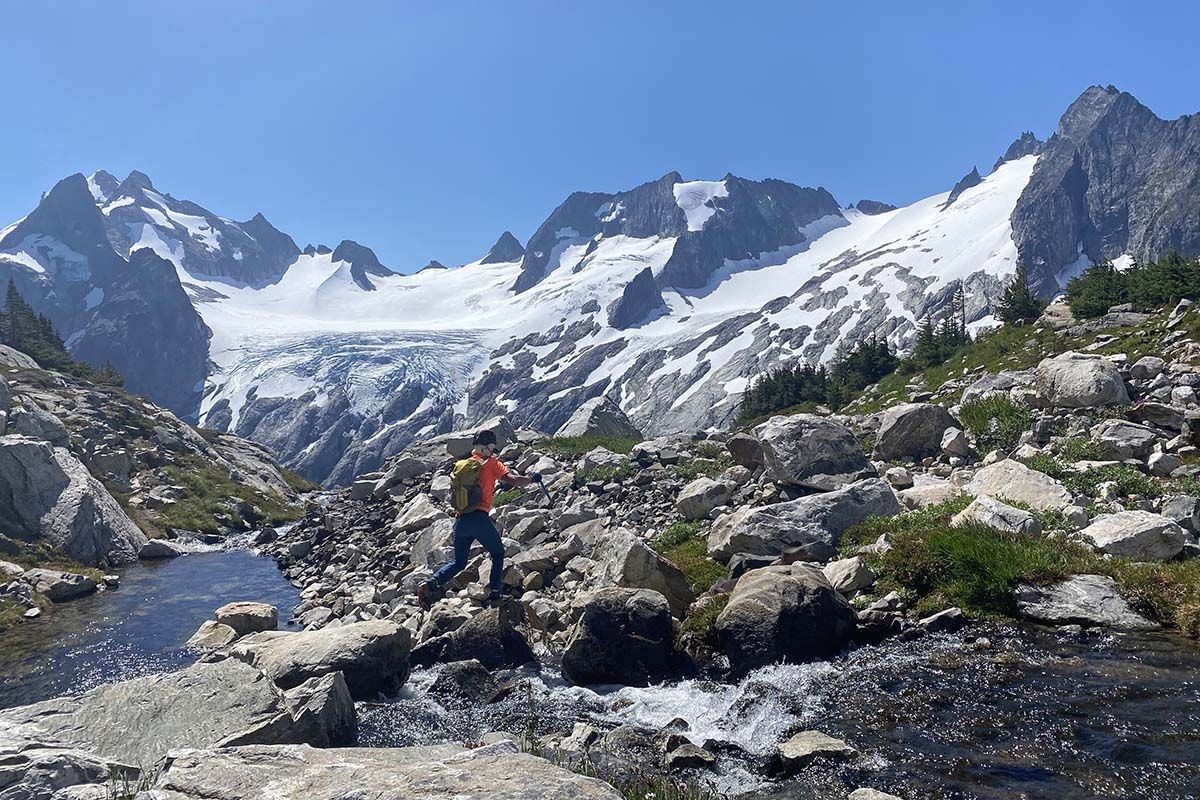
As a runner and a climber, I’ve become most at home in the high country of Washington’s northern Cascades. Trails are sparse, so most travel is cross-country. In this terrain, I can use all the tools in my toolbox, piecing together routes that include everything from running to climbing and glacier travel. Over the years, I’ve carefully dialed in my kit, paring it down to essentials and dropping ounces in the process. And here it is: my personal gear recommendations for mountain running in glaciated terrain. Depending on your route, you might be able to lighten your load by leaving some gear behind.
Editor's Note: Our original pick, the Ultra Raptor II, is difficult to find in stock these days, so we're linking to the Ultra Raptor III. The newest shoe is more hiking-oriented, but it still makes a viable pick for high-elevation missions.
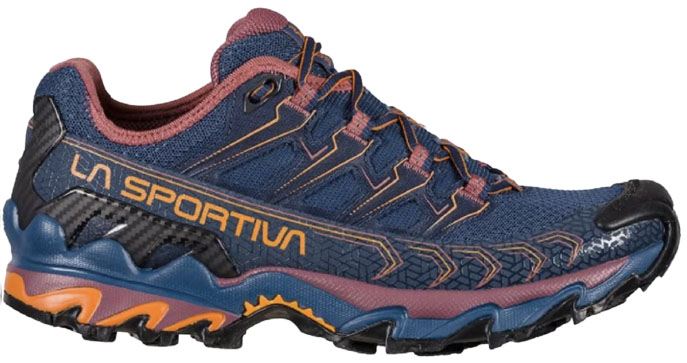 Call me traditional, but the La Sportiva Ultra Raptor has become my shoe of choice for mountain running, thanks to its incredible traction and beefed-up design. With moderate cushioning, it’s comfortable for miles of easy trail while still being stiff and responsive enough for talus, snow, and boulder hopping. The sole provides great traction on rock (I’ve climbed up to 5.6 in the Ultra Raptor), and the wide toe box allows ample room for my feet to swell throughout an 18-hour day. The shoe also accommodates the Petzl Leopard crampon (below) quite well, though it will eventually form holes in the mesh upper where the crampon strap sits snug. Now that the Ultra Raptor III is less run-oriented, the La Sportiva Bushido III makes a great option, and we have even more recommendations in our article on the best trail running shoes.
Get the La Sportiva Ultra Raptor III
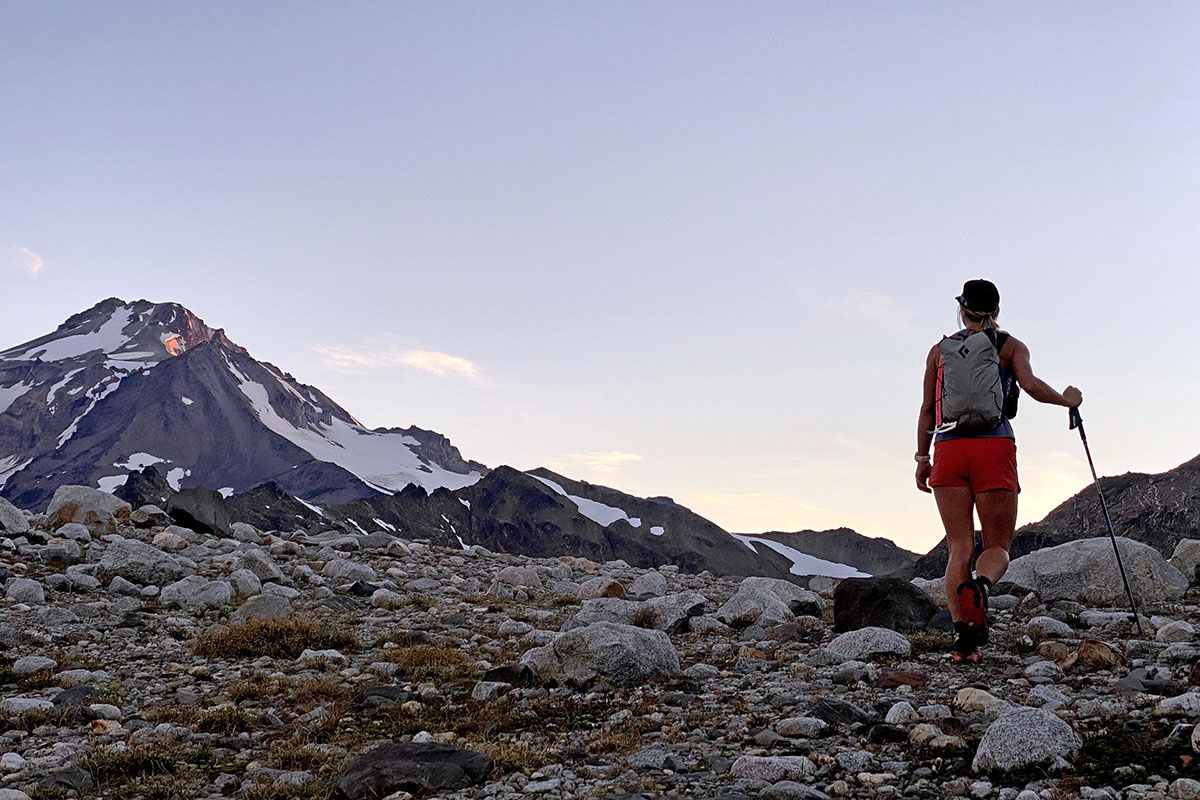
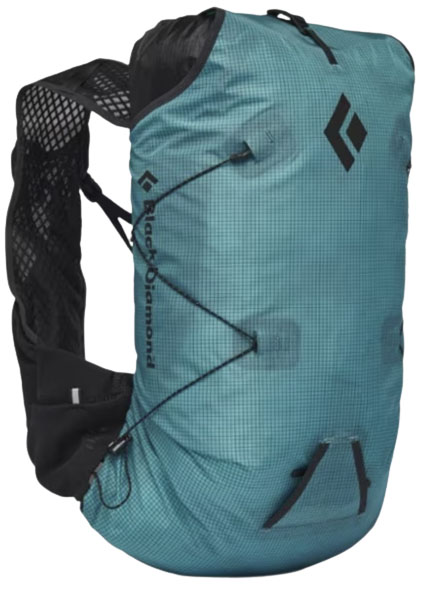 Ah, the Black Diamond Distance 15: the mountain running vest/pack to rule them all! This pack feels like Hermione’s bag in Harry Potter and the Deathly Hallows—from the outside, it might look similar to a running vest, but the laundry list of what fits inside is impressive (including everything on this list). The front pockets hold my sunscreen, sunglasses, phone, and day’s supply of Sour Patch Kids (what more could you need?). But perhaps my favorite component is the hidden trekking pole compartments, which allow me to both load and unload poles without taking the pack off. Black Diamond now makes the pack in three sizes for both men and women, and the sternum adjustment helps to dial in fit.
Get the Black Diamond Distance 15
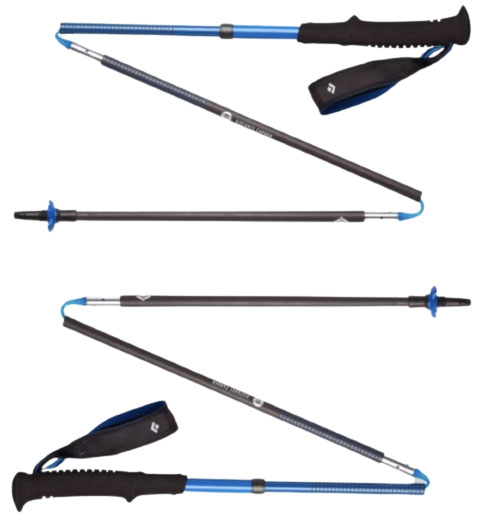 At just 9.8 ounces for the pair (120cm) and 16 inches long when collapsed, the Black Diamond Distance Carbon Z are one of the most minimalist trekking poles. I find them super easy to deploy and collapse, and they're durable despite their carbon build (one exception: I sat on my pole once while approaching a climb in Patagonia and snapped it in half). I like poles for stability on snow and to support my legs on both the uphill and downhill, but some runners prefer to go without or bring just one to keep a hand free for eating and navigation.
Get the Black Diamond Distance Carbon Z
 Some runners love to carry a couple of soft flasks in the chest compartments of their vests, but for long missions—especially in the high country, where flowing water might be scarce—I prefer at least 2 liters of carrying capacity. Osprey’s Hydraulics LT has been one of my go-to hydration reservoirs, with an easy-to-clean interior, quick-disconnect at the top, and on/off bite valve. Regardless of what model you decide on, look for these features: You’ll want a lightweight design (some bladders can be overbuilt), a quick disconnect (so you don’t have to reroute the tubing each time you fill up), and a valve that you can shut off—there’s nothing worse than accidentally losing your water supply because of an ill-placed valve.
Get the Osprey Hydraulics LT 2.5L
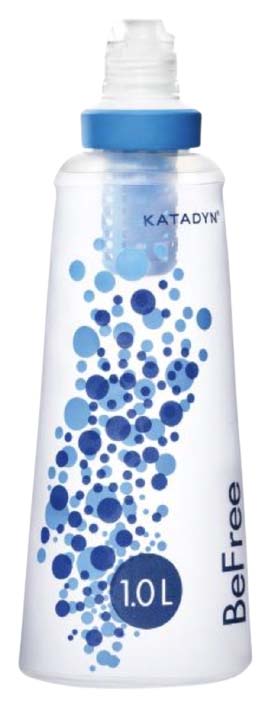 Perhaps no water filter is more used in the trail running world than the Katadyn BeFree. At just 2.3 ounces for the filter and 1-liter soft flask, it’s a really lightweight system and super easy to use. You can pull the BeFree out at water sources to fill your bladder or go light and run with it as a nice handheld. While the Katadyn seems to be the unanimous choice for most runners, I’ve also had a lot of success with the Platypus QuickDraw, although it’s a bit heavier.
Get the Katadyn BeFree
.jpg)
.jpg) There are a lot of headlamps that can get the job done for runners, but my personal favorite has become the Petzl Actik Core. I like the Actik for its combination of low weight, long life, USB-rechargeable battery (it can also run on three AAAs), and bright 600-lumen light. More streamlined designs are certainly available, but I’ve found that they’re a bit more compromised: the BioLite 425’s battery life was so short I had to use my phone’s flashlight at the end of the day, and the Petzl Iko Core was fairly uncomfortable (albeit streamlined and bright).
There are a lot of headlamps that can get the job done for runners, but my personal favorite has become the Petzl Actik Core. I like the Actik for its combination of low weight, long life, USB-rechargeable battery (it can also run on three AAAs), and bright 600-lumen light. More streamlined designs are certainly available, but I’ve found that they’re a bit more compromised: the BioLite 425’s battery life was so short I had to use my phone’s flashlight at the end of the day, and the Petzl Iko Core was fairly uncomfortable (albeit streamlined and bright).
Get the Petzl Actik Core
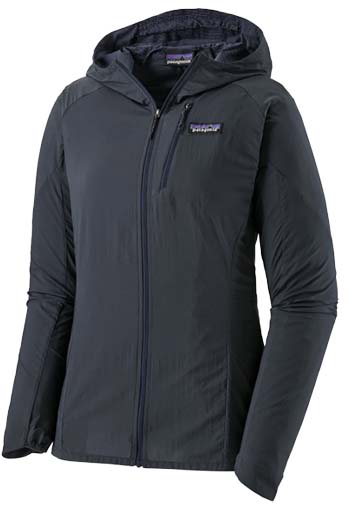 Every runner needs wind protection, and my favorite for mountain running is the Patagonia Houdini Air. It’s lightweight at just 3.6 ounces for the women’s version, stuffs down incredibly small (into its own pocket if you need, although I only use that feature when I want to hang it from my harness), and is more breathable than most 100-percent nylon wind shirts (the added dose of double-weave polyester helps). In the majority of summer conditions, I find that a windbreaker jacket provides ample isolation from the elements—especially when I’m continuously moving—and is a much lighter and more streamlined solution than a baselayer or fleece. It can also be a good idea to bring along a pair of wind pants, which can provide game-changing protection on windy ridgelines or if the day doesn’t quite go according to plan. Read our in-depth review of the Houdini for more information.
Get the Patagonia Houdini Jacket
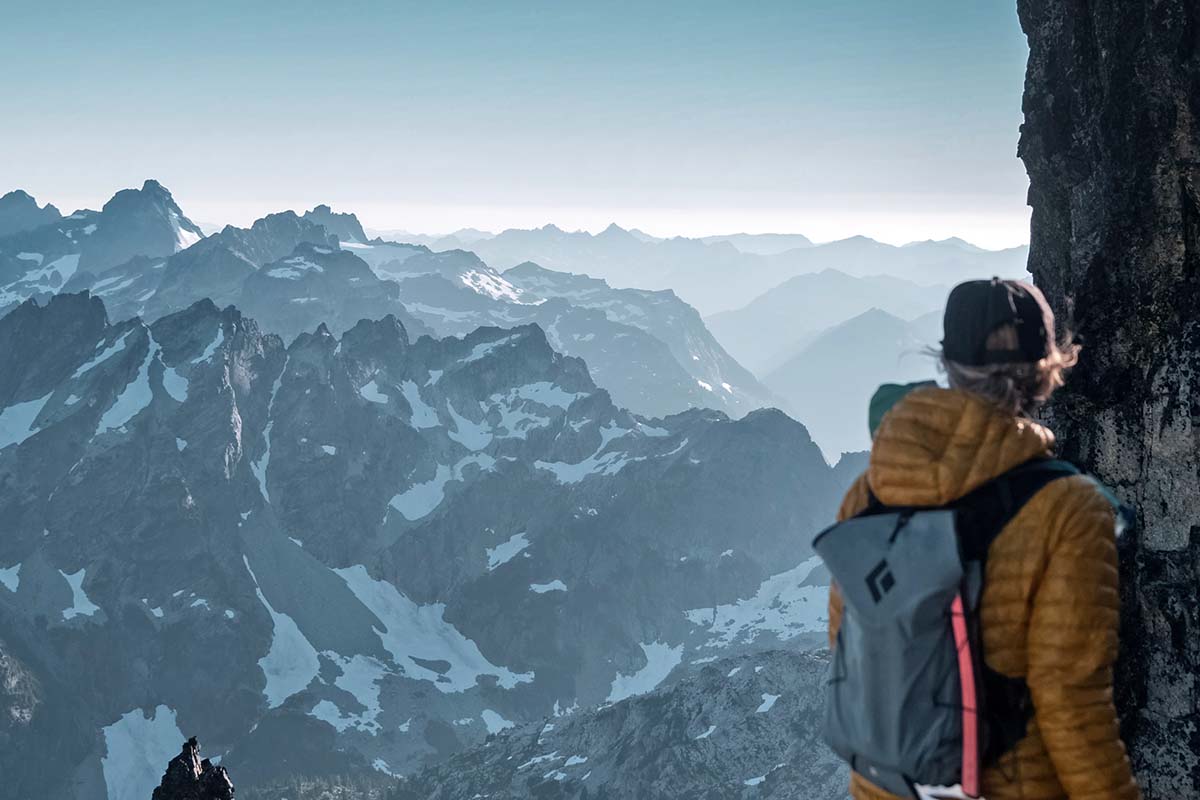
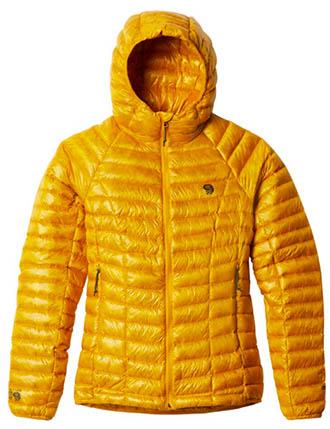 Most of the time, I never wear a down jacket during a mountain run. But at just 6.2 ounces, it’s always worth bringing the Mountain Hardwear Ghost Whisperer UL along, whether as an emergency layer or if I anticipate cold summit temperatures. This jacket is incredibly warm for its weight and packs down very small, making it a better option than a softshell or fleece midlayer. The downside is the lack of durability (the 5D fabric almost shudders in the mere presence of rock), but in my opinion, holes add character and memories (plus, they can be easily fixed). If I anticipate wet weather, I’ll leave the down at home and bring along the synthetic Patagonia MicroPuff (8 oz.) instead. Read more details about the Ghost Whisperer in our full write-up.
Get the Mountain Hardwear Ghost Whisperer UL
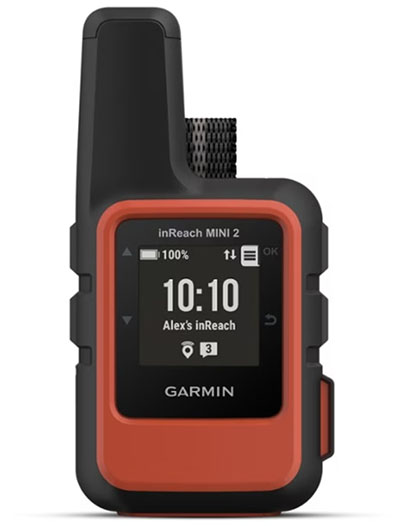 When traveling in remote mountain terrain, it’s become fairly common practice for at least one member of a party to carry a satellite messenger. The Garmin inReach Mini 3 is the standard choice for most: It’s small and lightweight, pairs with a smartphone for easy messaging (or functions as a standalone device), and offers a speedy connection with the Iridium network. Read our detailed review of the Garmin Mini 3 for more info.
Get the Garmin inReach Mini 3
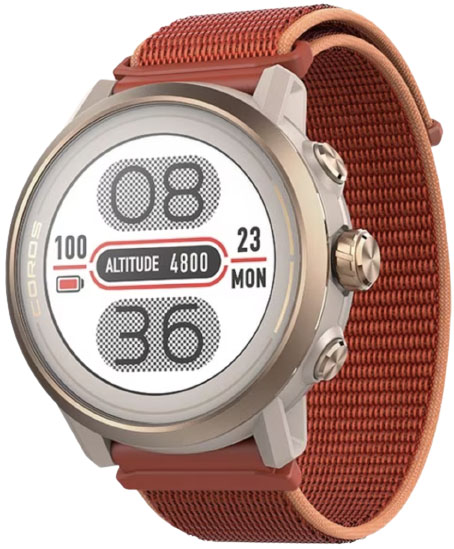 There are many great running watches, but my favorite model to date is the Coros Apex 2, which I'd confidently recommend as the best value for mountain runners. You get a barometric altimeter and compass that deliver top-notch accuracy, along with easy-to-use navigation, offline music, and an impressive battery life. As a female, I also love that the 43-millimeter Apex doesn’t take up too much real estate on my arm.
Get the Coros Apex 2
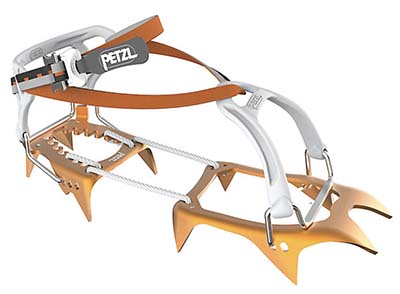 Strapping an aluminum crampon on a pair of running shoes is never a recipe for total success, but the Petzl Leopard FL is the best solution I’ve found. This crampon is ridiculously light at 13.5 ounces, packs up small, and has numerous, tool-free adjustment points to fit almost any running shoe. We recommend getting a good fit while you’re still at home (do this with your shoe on and the sole flat), and you might want to cut the cords short too, as they’re designed to be long enough to fit over a bulky mountaineering boot or ski boot. Finally, if you’re headed out on a long mission (such as the North Cascades High Route), it’s a good idea to throw an extra CORD-TEC Dyneema cord in your repair kit.
Get the Petzl Leopard FL
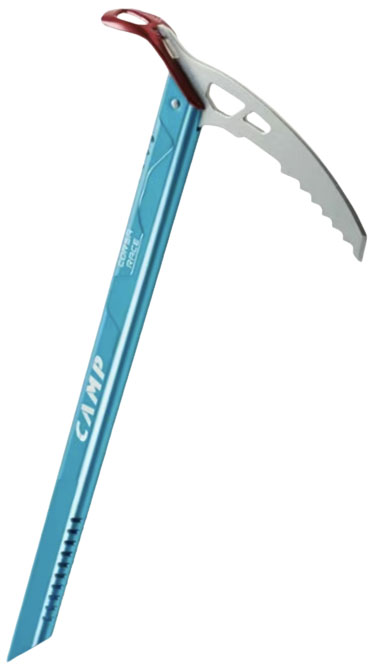 One of the highlights of going to the mountains is encountering the unknown, and—in the case of steep snow—it’s nice to have the tools to handle whatever you might encounter. Along with crampons, an ice axe can turn perilous climbs or traverses into casual travel. Designed for skimo racers, CAMP's Corsa Race is the lightest ice axe on the market, with weight-saving features like machine cutouts in the shaft and a 50-centimeter length. If you anticipate particularly hard snow or even ice, it might be a good idea to opt for the Corsa Nanotech instead, which swaps in a steel tip and spike.
Get the CAMP Corsa Race
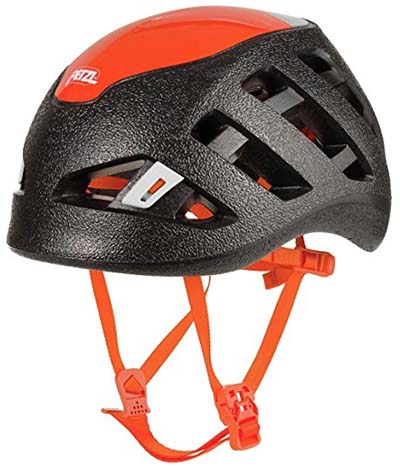 I know it’s not really a runner thing to do, but if you’re traveling through zones with rockfall hazards or using sharp tools (crampons and an ice axe) to cross snow, it’s a good idea to wear a climbing helmet. Like the Leopard crampons and BeFree filter, the Petzl Sirocco is a no-brainer choice for most ultralight enthusiasts. No other helmet comes close to the Sirocco's low weight, and it also features a more streamlined size than most—I can usually fit it at the top of my Black Diamond Distance pack. In addition to its minimalist specs, the Sirocco is also an incredibly durable helmet, built almost exclusively with EPP foam (which doesn't shatter under impact).
Get the Petzl Sirocco
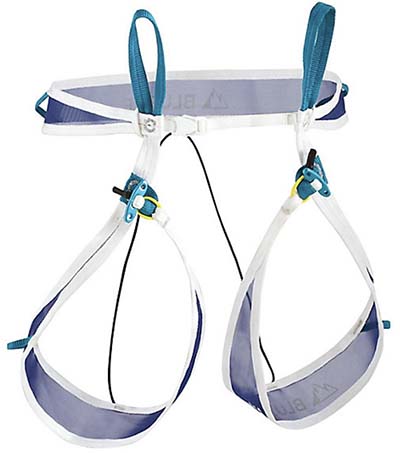 If the high route includes glacier travel, rappels, or technical rock climbing, I’ll bring along the Blue Ice Choucas Light harness. At just 3.1 ounces for size medium, this is the lightest harness on my radar, which is exactly what most “runners” need—climbers will want to check out our full climbing harness article. It does have a few limitations: the “Light” version only has one small gear loop (the standard Choucas has more racking options but tacks on about 2 oz.), and the lack of leg loop adjustment means you might need to size up (I had to go with a men’s medium to accommodate my meaty runner’s thighs). But nothing beats the packability of this thing—it scrunches up the size of a Clif Bar and slides into a corner of my pack.
Get the Blue Ice Choucas Light
.jpg)
.jpg) If I’m bringing a harness, chances are I’m bringing a rope as well. For short rappels or glacier travel, the 30-meter Petzl Rad Line is an incredibly lightweight option at just 1 pound 7.2 ounces. If the route involves a long rappel, typically requiring a 60-meter rope, both my partner and I will bring 30-meter Rad Lines. This is a great way to split the weight rather than trying to stuff a 60-meter rope into someone’s running vest. Keep in mind that the Rad Line is not a dynamic or single rope, meaning it’s absolutely not built for lead climbing.
If I’m bringing a harness, chances are I’m bringing a rope as well. For short rappels or glacier travel, the 30-meter Petzl Rad Line is an incredibly lightweight option at just 1 pound 7.2 ounces. If the route involves a long rappel, typically requiring a 60-meter rope, both my partner and I will bring 30-meter Rad Lines. This is a great way to split the weight rather than trying to stuff a 60-meter rope into someone’s running vest. Keep in mind that the Rad Line is not a dynamic or single rope, meaning it’s absolutely not built for lead climbing.
Get the Petzl Rad Line 30m
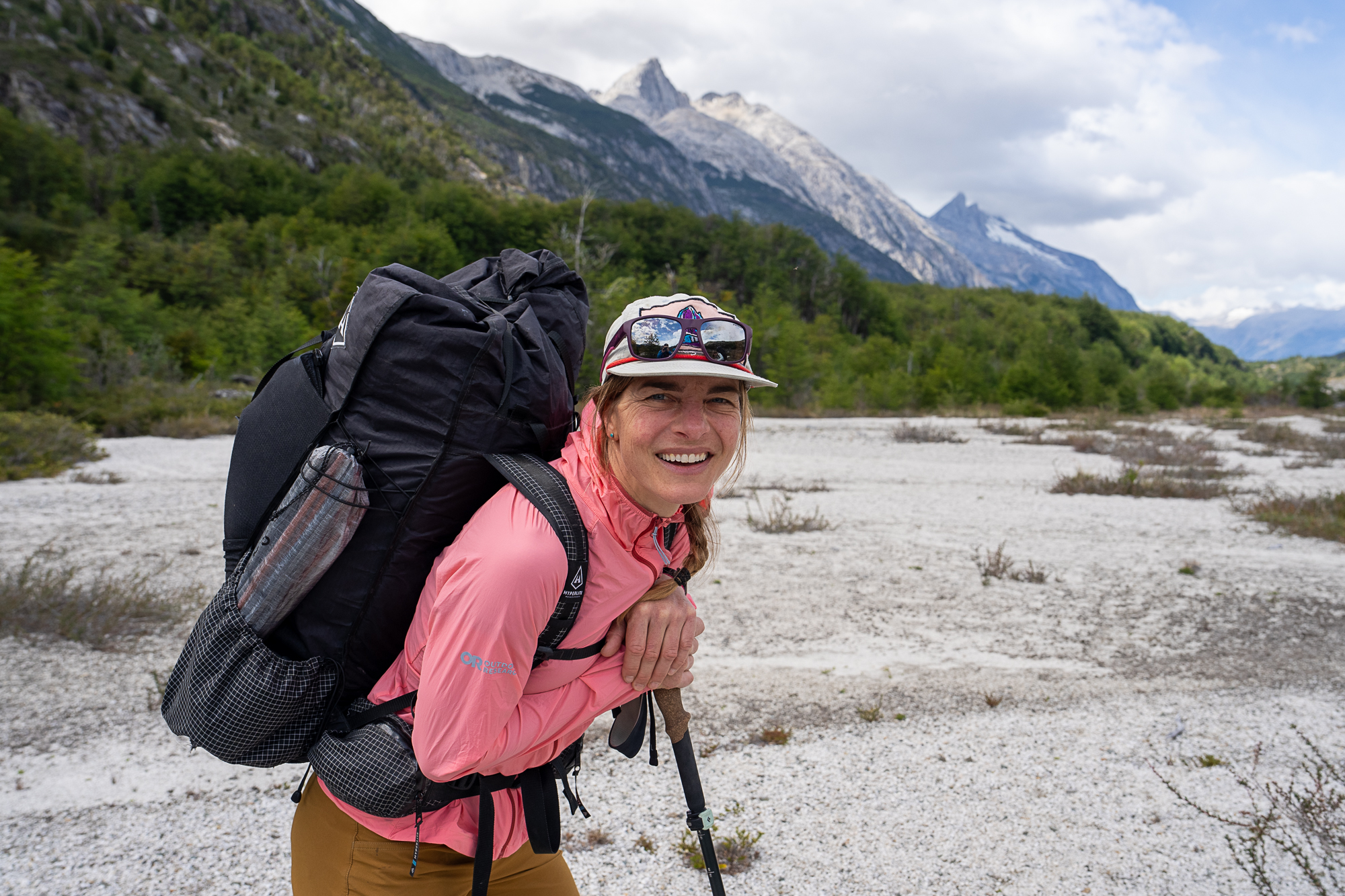
I like to bring a few other essentials. Put together, these lists comprise my entire kit—no more and, most of the time, no less. I’ve found that my 15-liter Black Diamond Distance pack is a great way to keep my load light: if I can fit all my gear inside, I know it won’t weigh me down too much throughout the day.


.jpg?h=fbc67360&itok=dInjg82d)
_0.jpg?h=fbc67360&itok=eBOtjlLx)
.jpg?h=fbc67360&itok=cDloWMjr)

_1.jpg?h=10d202d3&itok=2OYVYX-H)
s.jpg?h=b82b5380&itok=DhP_c2hm)
.jpg?h=fbc67360&itok=xaA9tQ6C)
.jpg?h=fbc67360&itok=4fisqIgV)